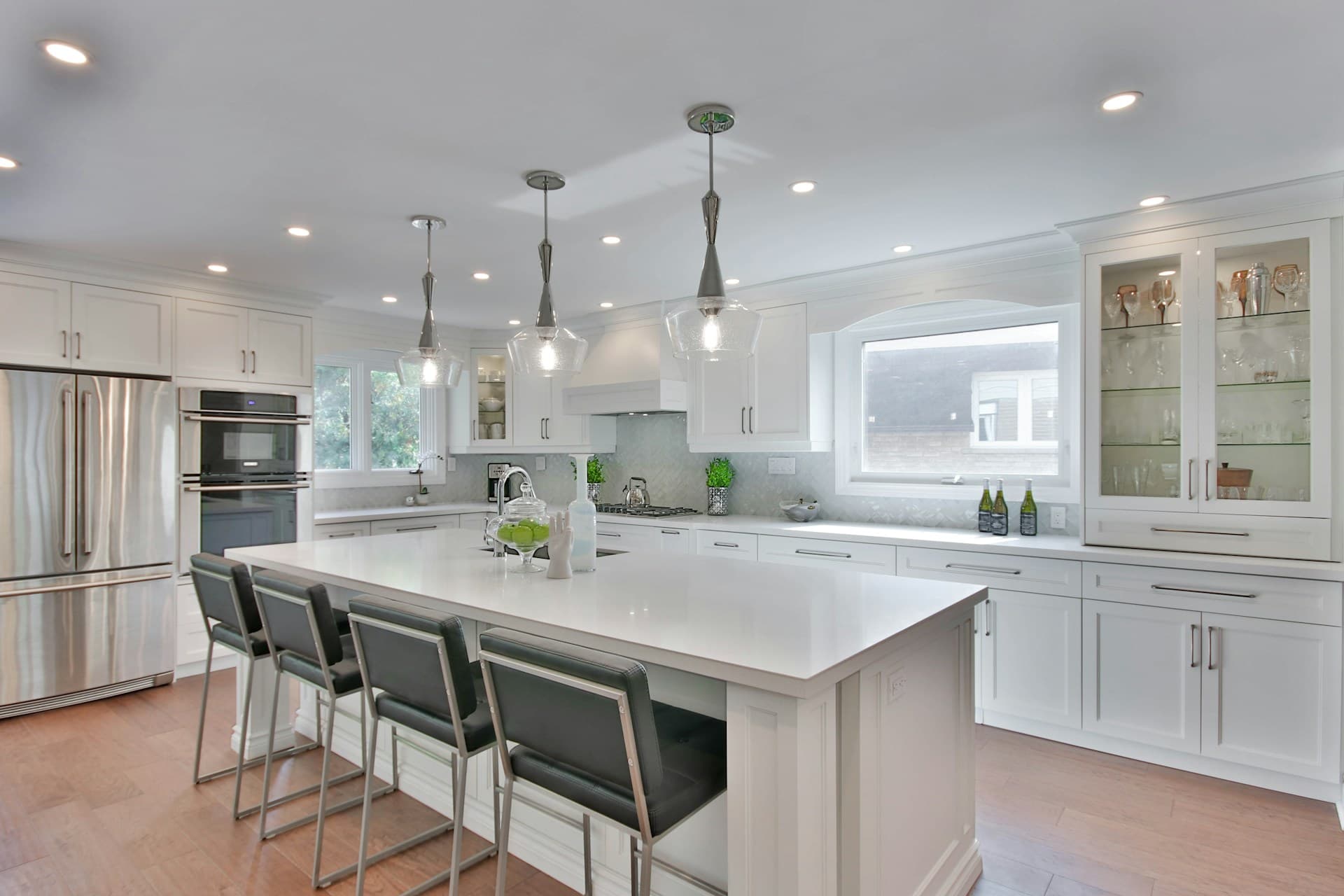
Elevating Kitchen Windows: Light, Ventilation, and Design Impact in Renovation Projects
By Total Care Kitchens Tue Jan 20 20268 minutes

The Overlooked Power of Kitchen Windows in Renovation
Kitchen windows are more than just architectural features—they shape your space’s ambiance, functionality, and energy efficiency. Whether you’re battling a dim galley kitchen or dreaming of seamless indoor-outdoor flow, strategic window upgrades can dramatically enhance your renovation results. Homeowners often underestimate how the right window configuration can address pain points like poor lighting, lingering odors, and a lack of connection to the outdoors.“Natural light is the most transformative material you can introduce to any kitchen renovation.”
Types of Kitchen Windows: Beyond the Standard Double-Hung
Choosing the optimal window style for your kitchen involves balancing ventilation, daylight, privacy, and visual impact. Each window type brings unique advantages and can be tailored to suit your culinary workflow and aesthetic vision.- Casement windows: Hinged at the side and open outward for maximum airflow and easy cleaning.
- Awning windows: Top-hinged and open outward, ideal above sinks or counters for ventilation without letting in rain.
- Picture windows: Fixed panes that frame outdoor views and flood the kitchen with natural light.
- Garden windows: Box-style projections perfect for herb gardens and increasing shelf space.
- Sliding windows: Space-saving and easy to operate, especially in compact layouts.
Strategic Placement: Illuminating Work Zones and Creating Focal Points
Window placement is a nuanced art that can make or break your kitchen’s functionality. Positioning windows above prep areas, sinks, or dining nooks ensures task lighting and invigorating views. Thoughtful orientation leverages morning or afternoon sun, reduces reliance on artificial lighting, and can even enhance passive ventilation.Window Materials and Glazing: Balancing Efficiency and Style
Modern window technology offers options that boost thermal performance and complement your kitchen’s design language. Selecting the right frame and glass not only impacts your utility bills but also the longevity and maintenance of your renovation.- Vinyl frames: Low-maintenance, cost-effective, and energy efficient.
- Fiberglass frames: Durable, weather-resistant, and can mimic wood grain for a premium look.
- Wood frames: Classic appeal, best for traditional or cottage-style kitchens, but require upkeep.
- Low-E glass: Reflects heat while allowing light, reducing summer heat gain and winter heat loss.
- Triple glazing: Superior insulation for kitchens in extreme climates.
Design Inspiration: Window Treatments and Accents
Kitchen window treatments should offer privacy without sacrificing light or airflow. Complement your renovation theme with materials and hardware that echo your cabinetry or fixtures. Consider integrating deep sills for display, or using transoms to bring light deeper into the space.| Treatment Type | Benefits | Best For |
| Roman shades | Softens light, adds texture | Transitional, modern kitchens |
| Café curtains | Privacy with upper light | Cottage, farmhouse styles |
| Motorized blinds | Convenience, smart integration | Contemporary, smart kitchens |
Energy Efficiency and Sustainability Considerations
Upgrading kitchen windows is an opportunity to boost your home’s sustainability profile. Energy Star-rated models, proper sealing, and strategic shading can lower your carbon footprint while making your kitchen more comfortable year-round. Pairing efficient windows with thoughtful ventilation strategies also improves indoor air quality—a crucial factor for avid home cooks.“Sustainable renovation is about making choices that serve both your lifestyle and the planet.”
Budgeting for Kitchen Window Upgrades
Window renovations can range from simple insert replacements to full structural modifications. Setting a clear budget and understanding the cost-benefit of each upgrade ensures you maximize your return on investment. Don’t forget to factor in installation, finishing, and any necessary permits.- Insert replacement: Least invasive, ideal for updating style or efficiency without altering structure.
- Full-frame replacement: Necessary for damaged frames or when enlarging openings.
- Custom shapes and sizes: Higher cost, but can become a stunning focal point.
Common Mistakes to Avoid with Kitchen Window Renovations
Avoiding pitfalls in your window upgrade can save time, money, and future frustration. Rushed decisions, poor measurements, or neglecting ventilation needs can undermine your renovation goals.- Ignoring orientation: Overlooking sun patterns may lead to glare or excessive heat.
- Underestimating ventilation: Not all windows provide adequate airflow for a busy kitchen.
- Skimping on quality: Cheap materials can compromise energy efficiency and durability.