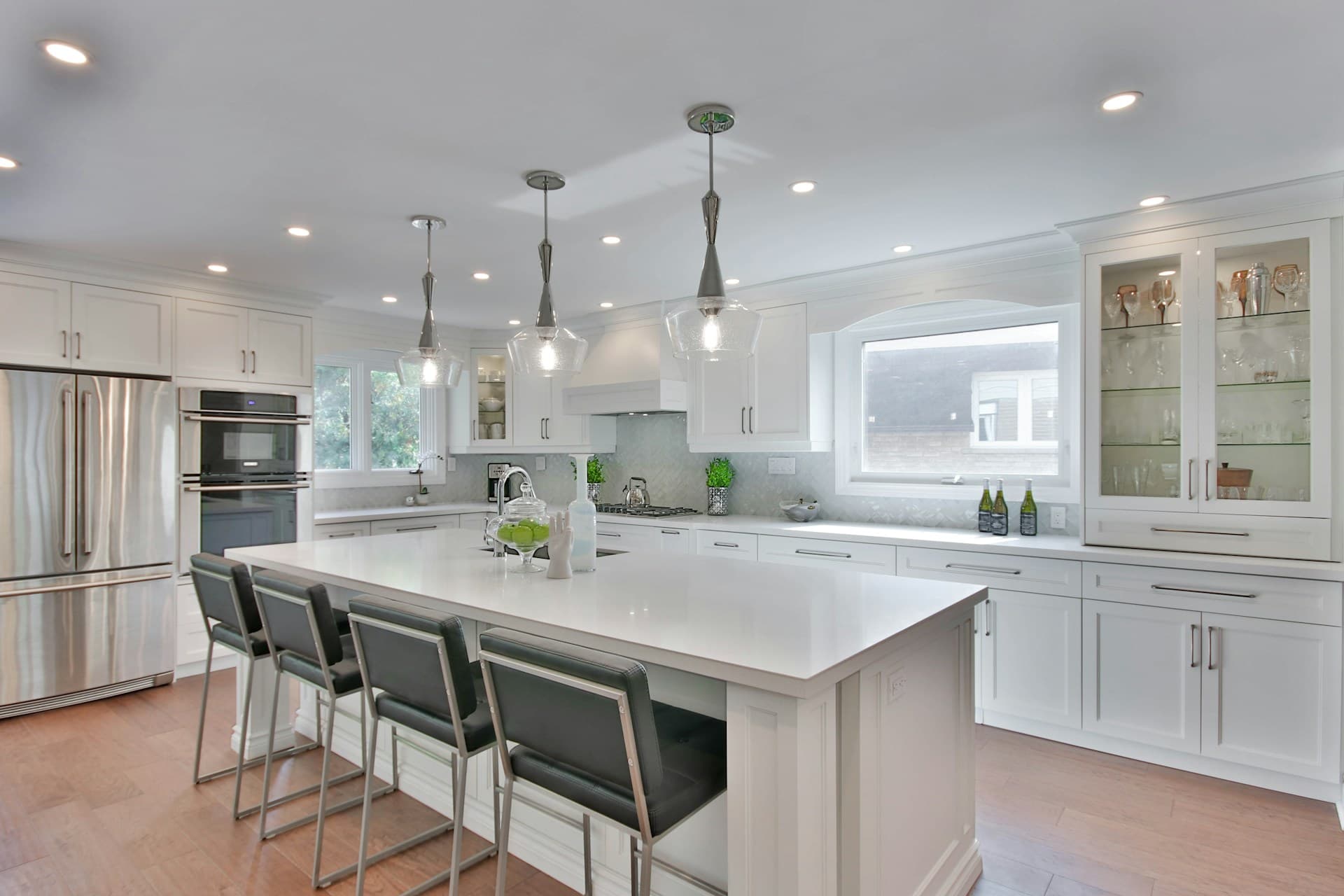
Integrated Kitchen Appliances: Seamless Design Meets High Performance
By Total Care Kitchens Mon Feb 02 20268 minutes
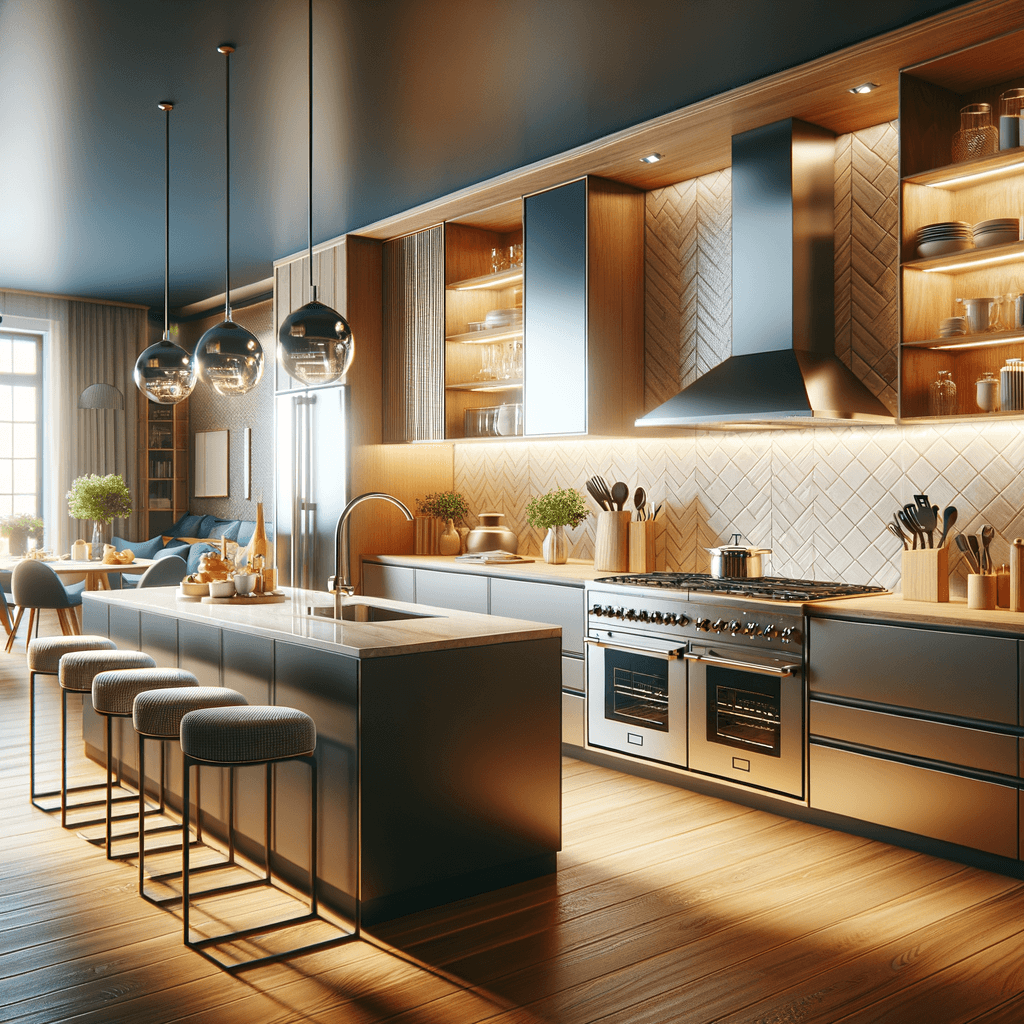
Why Integrated Appliances Are Revolutionizing Kitchen Renovations
Homeowners are increasingly seeking kitchens that blend aesthetic harmony with top-tier functionality. Integrated appliances—those built seamlessly into cabinetry and counters—are redefining the modern kitchen by eliminating visual clutter and maximizing usable space. This approach not only enhances the room’s visual flow but also supports highly customized layouts tailored to unique culinary needs.“A kitchen should be as enjoyable to look at as it is to cook in—integrated appliances make that possible without compromise.”
Types of Integrated Appliances and Their Benefits
- Refrigerators: Camouflaged behind custom panels for a uniform look.
- Dishwashers: Hidden with cabinetry fronts to maintain visual consistency.
- Ovens and Microwaves: Wall-mounted for ergonomic access and streamlined counters.
- Cooktops: Flush with countertops, often with downdraft ventilation.
- Coffee Machines: Built-in units for a luxury, barista-style experience.
Design Considerations: Achieving Cohesion and Functionality
Choosing integrated appliances requires thoughtful planning to ensure both visual and functional harmony. Appliance dimensions, door swing clearances, and electrical or plumbing access must be mapped with precision. Custom cabinetry can conceal appliances entirely, or showcase select features with sleek, minimalist hardware. Consider how handleless doors, push-to-open mechanisms, and matching panel finishes contribute to a unified aesthetic.Comparing Countertop Materials for Appliance Integration
Countertop choice plays a pivotal role in supporting integrated appliances. Materials must be durable, heat-resistant, and compatible with flush-mount installations. Here’s a comparison of popular options:| Material | Durability | Heat Resistance | Aesthetic Compatibility |
| Quartz | High | Moderate | Versatile, seamless |
| Granite | Very High | High | Natural, luxurious |
| Butcher Block | Moderate | Low | Warm, organic |
| Concrete | High | High | Industrial, customizable |
Smart Technology and Connected Appliances
Integrated kitchens are embracing smart technology, with Wi-Fi-enabled ovens, refrigerators that track inventory, and dishwashers with remote diagnostics. These features not only simplify daily routines but also support energy efficiency and sustainability goals. Voice control, app integration, and automated cooking programs are no longer futuristic—they’re fast becoming standard in high-end renovations.“Smart appliances are transforming kitchens into intuitive, responsive spaces that adapt to your lifestyle.”
Eco-Friendly Upgrades for Integrated Kitchens
Sustainability is a growing priority in kitchen renovation. Integrated appliances with high energy ratings, water-saving features, and recyclable materials can significantly reduce a home’s environmental footprint. Look for certifications such as ENERGY STAR or EU Energy Label when selecting products.- Opt for induction cooktops for lower energy consumption.
- Choose dishwashers with eco-cycles and soil sensors.
- Install refrigerators with inverter compressors for efficient cooling.
- Select built-in appliances with recyclable or reusable components.
Budgeting and Planning for Integrated Appliance Installations
While integrated appliances often come at a premium, their long-term value in terms of home appeal and efficiency is substantial. Budgeting should include not just appliance costs but also custom cabinetry, installation, and potential electrical or plumbing upgrades. Early planning with a kitchen designer ensures seamless coordination and minimizes costly surprises.Mistakes to Avoid When Integrating Appliances
Common pitfalls include mismeasuring appliance dimensions, overlooking ventilation requirements, and neglecting future maintenance access. It’s crucial to leave adequate space for airflow and servicing, and to coordinate with both appliance suppliers and cabinetry fabricators from the outset.- Ignoring manufacturer installation guidelines.
- Failing to allow for appliance door swings.
- Overlooking electrical and plumbing needs.
- Choosing aesthetics over essential functionality.
Trending Aesthetics: Minimalism, Texture, and Hidden Tech
Today’s integrated kitchens favor handleless cabinetry, matte finishes, and subtle textural contrasts. Appliance panels often match adjacent cabinets, creating a continuous visual plane. Some homeowners are experimenting with bold color accents or mixed materials for a personalized touch, while others opt for near-invisible appliances that recede entirely into the background.Balancing Functionality and Style in Your Renovation
The most successful integrated kitchens strike a balance between advanced performance and timeless design. Prioritize appliances that serve your cooking habits, but don’t underestimate the impact of a cohesive, clutter-free aesthetic. Ask yourself: How will this kitchen adapt as your family’s needs evolve? What features will truly enhance your daily life?“The best kitchen renovations are those that anticipate both current desires and future demands.”