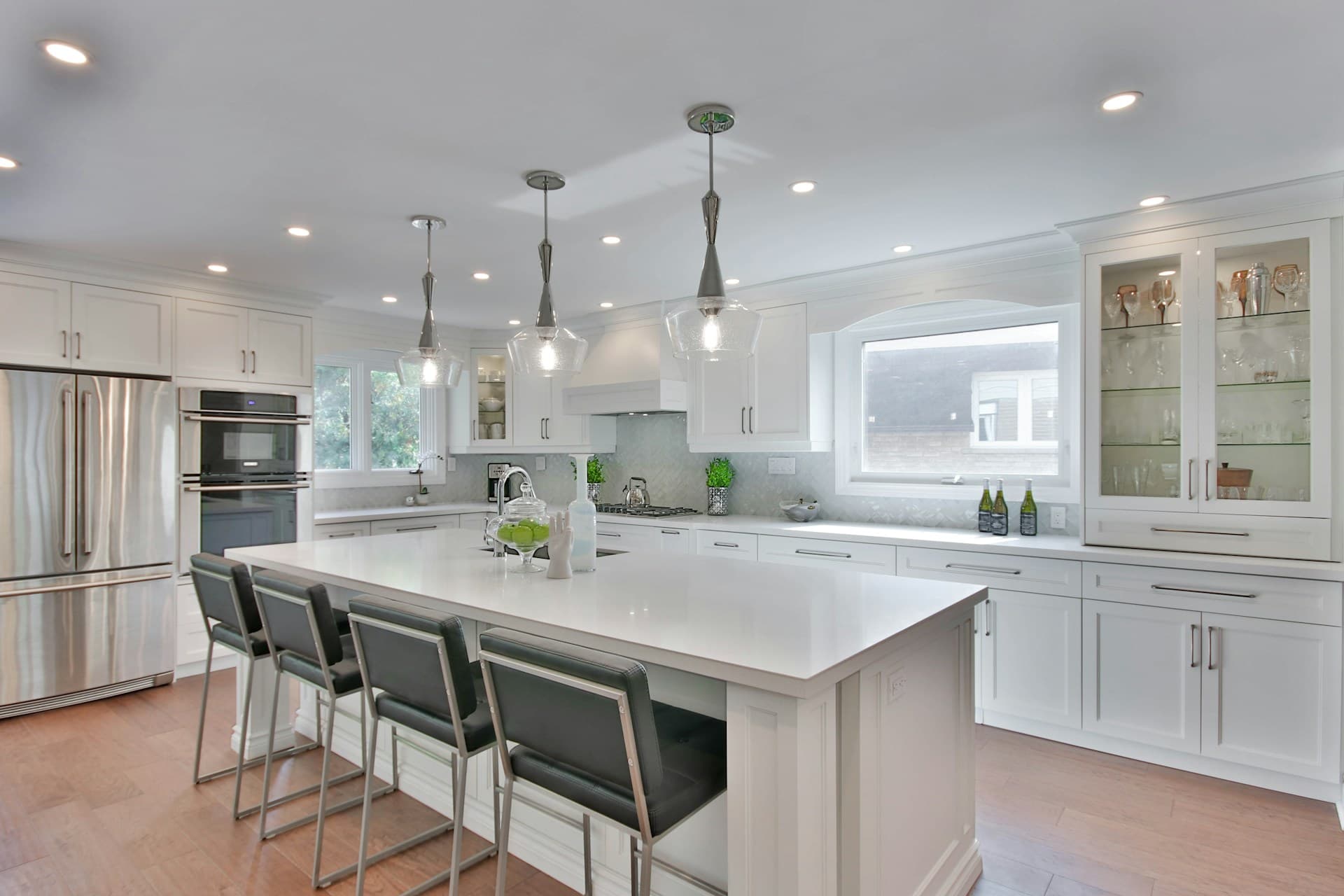
Mastering Built-In Appliance Integration: Seamless Solutions for Contemporary Kitchen Renovations
By Total Care Kitchens Wed Jan 28 20268 minutes
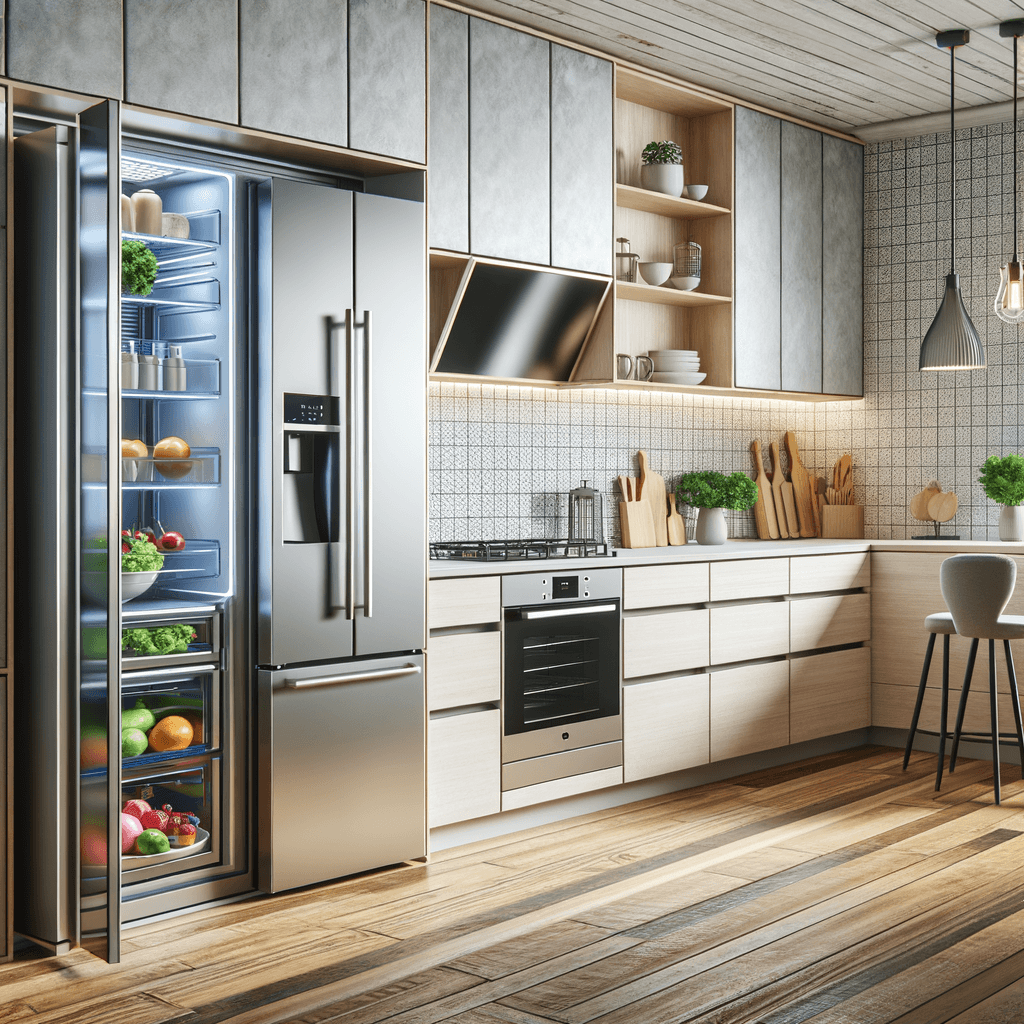
The Rise of Built-In Appliances in Modern Kitchen Design
Today’s homeowners crave kitchens that blend streamlined aesthetics with advanced functionality. Built-in appliances—ranging from refrigerators to microwaves and even coffee systems—are increasingly central to achieving this vision. By integrating appliances into cabinetry and workspaces, renovators can create a cohesive environment that feels both expansive and uncluttered.“A well-integrated appliance isn’t just about looks—it’s about enhancing workflow and maximizing every inch of your kitchen.”
Strategic Layouts for Appliance Integration: Galley, L-Shape, and Open Concept
Choosing the right layout is crucial for successful appliance integration. Each configuration offers unique opportunities and challenges when embedding built-in units, so careful planning is essential to maintain both accessibility and visual harmony.- Galley Kitchens: Ideal for linear appliance placement, ensuring efficient movement between sink, stove, and fridge.
- L-Shape Layouts: Allow for corner appliance integration, like built-in ovens or compact wine fridges, maximizing underutilized space.
- Open Concept Designs: Favor statement pieces such as integrated cooktops and wall ovens, maintaining sightlines and a seamless flow.
Innovative Cabinetry and Storage for Built-In Appliances
Modern cabinetry solutions are redefining how built-in appliances are housed. Custom millwork, appliance garages, and touch-to-open mechanisms create an uninterrupted look, while also improving ergonomics and accessibility.“Cabinetry should serve as the architectural backbone for your appliances, merging technology with timeless craftsmanship.”
Countertop Materials: Supporting Seamless Integration
Selecting the right countertop is about more than aesthetics. Materials must accommodate appliance cutouts, heat, and moisture while maintaining a refined finish. The interplay between surface and appliance edge can define the entire kitchen’s vibe.| Material | Integration Suitability | Maintenance |
| Quartz | Excellent; precision cutouts possible | Low |
| Granite | Very good; requires expert templating | Medium |
| Butcher Block | Best for low-heat appliances | High |
| Concrete | Customizable for unique appliances | Medium |
Smart Appliance Integration: The Future of Connected Kitchens
Smart built-in appliances are transforming kitchens into intuitive, responsive spaces. Features like voice control, remote diagnostics, and automated cooking programs can be discreetly incorporated, making your kitchen renovation future-proof and convenient.- WiFi-enabled ovens for remote preheating and monitoring.
- Integrated fridges with touchscreens for grocery management.
- Dishwashers with app-based cycle notifications.
Eco-Friendly Upgrades: Sustainable Built-In Appliance Choices
Sustainability is increasingly top-of-mind for renovators. Choosing ENERGY STAR-rated built-in appliances and integrating recycling centers directly into cabinetry can dramatically reduce your kitchen’s environmental impact without compromising on luxury or performance.“Sustainable appliance integration is not just a trend—it’s a commitment to future generations.”
Lighting Design: Accentuating Integrated Appliances
Thoughtful lighting elevates the appearance and usability of built-in appliances. Consider layered illumination, including under-cabinet LEDs and strategically placed task lights, to highlight sleek appliance facades and ensure a welcoming ambiance.Budgeting and Timeline: Planning for Built-In Appliance Installation
Integrating appliances into your renovation often involves additional carpentry, electrical, and plumbing work. Establishing a clear budget and timeline can help prevent delays and unexpected costs, ensuring a smooth project from concept to completion.- Factor in custom cabinetry costs for appliance housing.
- Allocate funds for professional installation and necessary upgrades to wiring or plumbing.
- Expect lead times for specialty appliances and custom panels.
Common Mistakes to Avoid with Built-In Appliance Integration
Overlooking ventilation requirements, misjudging appliance clearances, or neglecting future service access can lead to costly headaches. Always consult with certified professionals and reference manufacturer specifications during the planning stage.“The most successful kitchen renovations blend meticulous planning with flexibility for unforeseen challenges.”