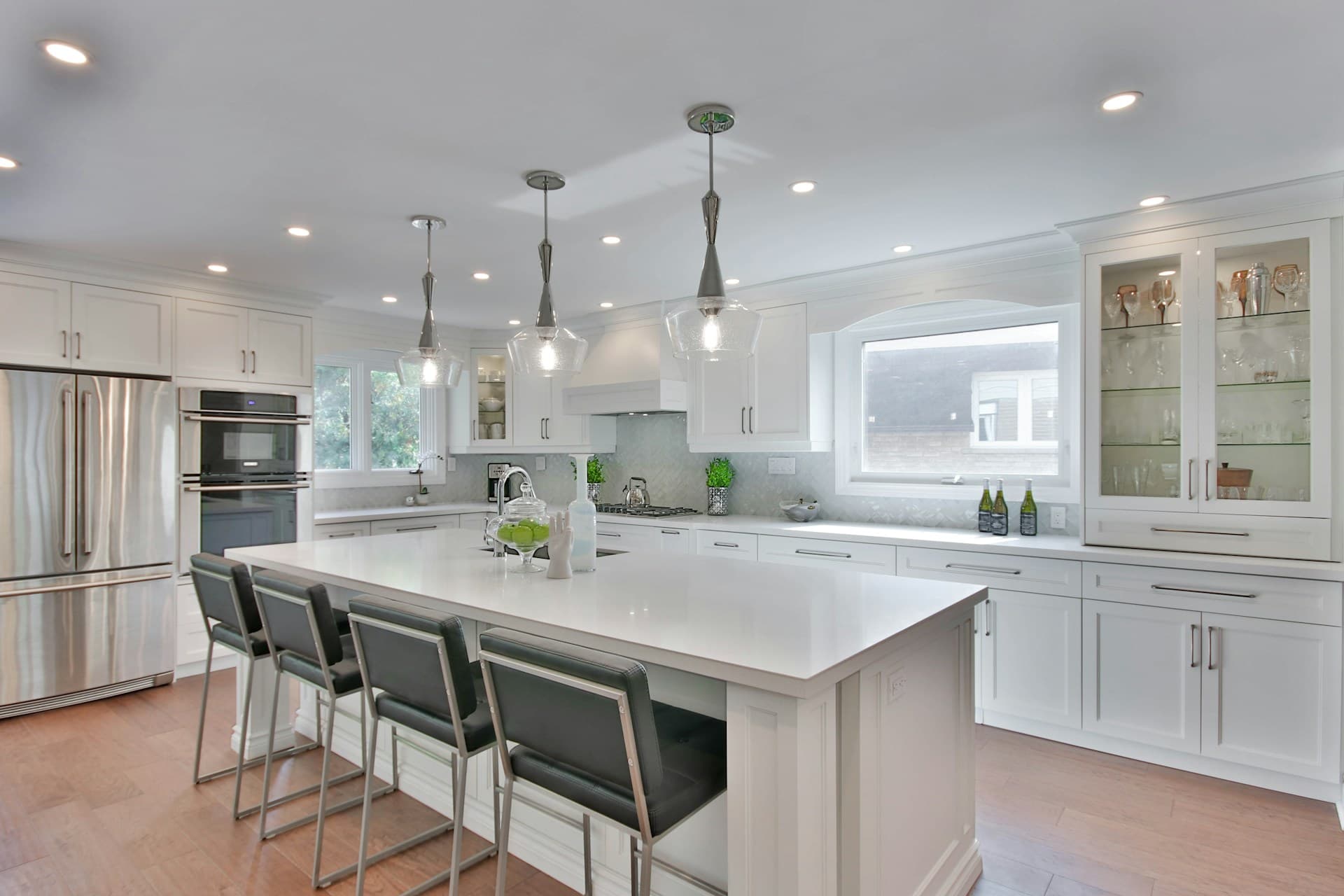
Mastering Integrated Kitchen Appliances: Seamless Design, Efficiency, and Modern Solutions
By Total Care Kitchens Thu Feb 12 20268 minutes
The Rise of Integrated Appliances in Kitchen Renovation
Integrated kitchen appliances have revolutionized modern kitchen design, offering a harmonious blend of aesthetics and practicality. By concealing appliances within cabinetry, homeowners achieve a streamlined look that maximizes visual flow and creates a sense of spaciousness. This approach is especially coveted in open-plan layouts where the kitchen seamlessly merges with living areas.“Integrated appliances are the cornerstone of a truly modern kitchen—where form and function work in perfect harmony.”
Types of Integrated Kitchen Appliances: Beyond the Basics
While panel-ready refrigerators and dishwashers are now standard, a new generation of built-in appliances is redefining expectations. From steam ovens to drawer-style microwaves, these options cater to both culinary enthusiasts and design aficionados.- Panel-ready refrigerators
- Fully integrated dishwashers
- Drawer microwaves
- Built-in coffee machines
- Integrated wine coolers
- Concealed induction cooktops
Planning for Integration: Key Considerations
Successful appliance integration requires meticulous planning from the outset. Factors such as appliance dimensions, ventilation requirements, and proximity to work zones must be addressed early to prevent costly adjustments later. Collaborating with experienced designers and appliance specialists ensures a flawless installation that meets both functional and aesthetic goals.Balancing Functionality and Style: Design Strategies
The art of appliance integration lies in balancing day-to-day usability with a cohesive visual narrative. Modern cabinetry solutions offer custom panels, touch-to-open mechanisms, and flush installations, allowing appliances to disappear into the background while remaining easily accessible.Countertop and Cabinet Compatibility: What to Know
Choosing the right countertop and cabinetry materials is crucial when integrating appliances. Materials like quartz and high-pressure laminates provide durability and allow for precise cut-outs, while custom cabinetry ensures a snug fit for built-in units. Consider the impact of appliance placement on countertop workflow and storage accessibility.| Appliance | Recommended Cabinetry Material | Countertop Consideration |
| Dishwasher | Moisture-resistant MDF | Edge protection |
| Oven | Plywood with heat shield | Heat-resistant surface |
| Refrigerator | Solid wood or laminate | Seamless counter depth |
Energy Efficiency and Eco-Friendly Choices
Integrated appliances often feature advanced energy-saving technologies, making them an eco-conscious choice for renovators. Look for ENERGY STAR ratings and smart sensors that optimize water and power usage. Choosing sustainable materials for panels and cabinetry further amplifies your kitchen’s green credentials.Smart Integration: The Connected Kitchen
The latest trend in appliance integration is smart technology. Wi-Fi enabled ovens, refrigerators with touchscreens, and voice-activated dishwashers allow for remote control and monitoring. These innovations not only boost convenience but also future-proof your kitchen against rapid technological advances.- Wi-Fi enabled ovens with recipe guidance
- Touchscreen refrigerators with inventory management
- Voice-controlled dishwashers
- App-controlled coffee machines
Budgeting for Integrated Appliances: What to Expect
Integrated appliances generally come at a premium compared to their freestanding counterparts. However, their durability, efficiency, and impact on home value often justify the investment. Allocating a realistic budget and prioritizing essential built-in units helps avoid overspending.| Appliance Type | Approximate Cost Range (USD) |
| Integrated Refrigerator | $2,000 - $8,000 |
| Panel-Ready Dishwasher | $1,000 - $2,500 |
| Built-in Coffee Machine | $1,500 - $5,000 |
| Drawer Microwave | $900 - $2,200 |
Common Mistakes to Avoid with Appliance Integration
Overlooking ventilation, ignoring manufacturer specifications, and underestimating installation complexity are frequent pitfalls. Always consult with professionals and allow for extra lead time when ordering custom panels or specialty appliances.- Neglecting ventilation requirements
- Improper appliance sizing
- Inadequate electrical or plumbing planning
- Skipping professional installation