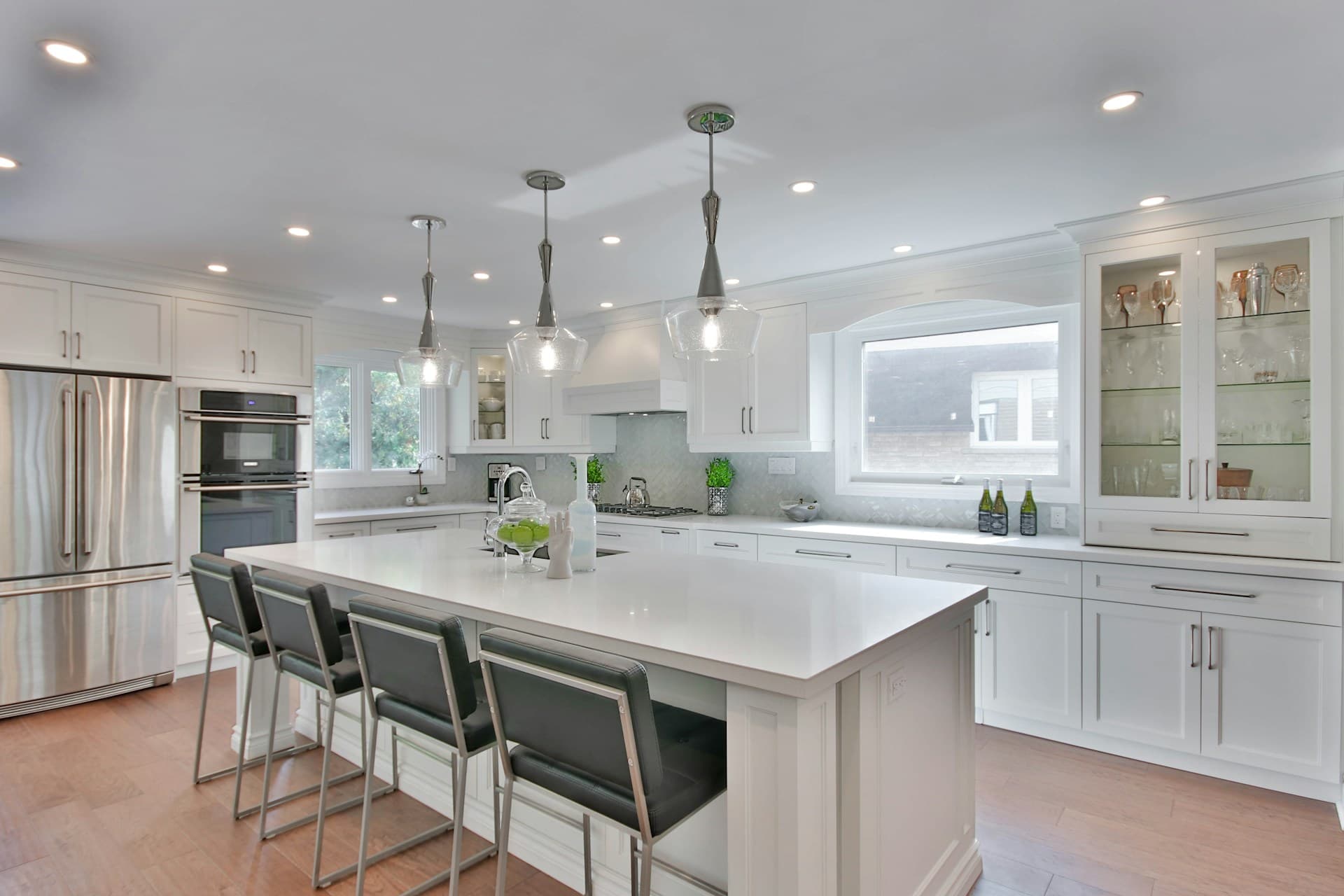
Mastering Kitchen Lighting Design: Layered Illumination for Ambiance and Functionality
By Total Care Kitchens Mon Mar 09 20268 minutes
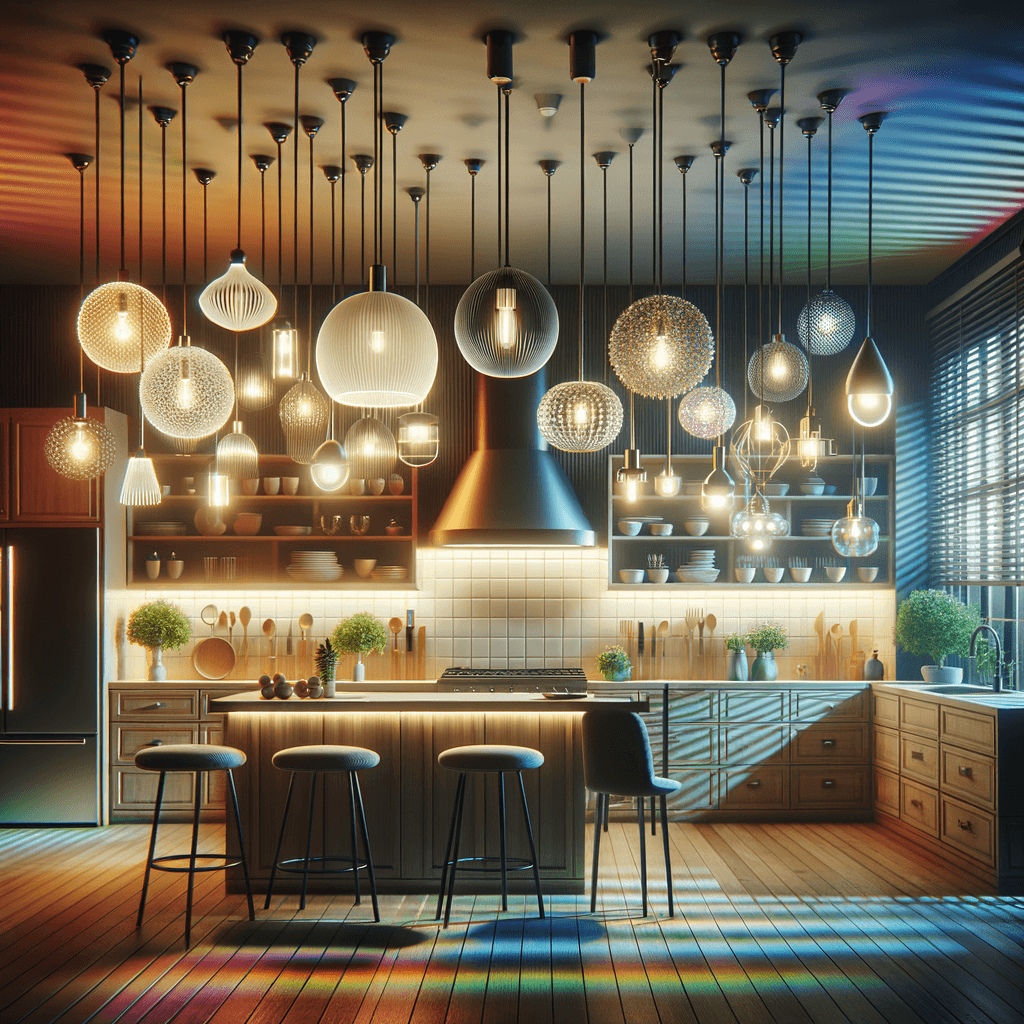
The Crucial Role of Lighting in Kitchen Renovation
Lighting is often the unsung hero of kitchen renovation, transforming the space from merely functional to inviting and inspiring. A well-lit kitchen enhances safety during food preparation, elevates the ambiance for entertaining, and showcases the architectural and design features you've invested in. Yet, many renovators overlook lighting or treat it as an afterthought, missing opportunities for both beauty and utility.“Thoughtful lighting design is the secret ingredient that brings a kitchen renovation to life.”
Understanding Layered Lighting: The Three Pillars
Effective kitchen lighting relies on a layered approach, blending ambient, task, and accent illumination. Each layer serves a unique purpose, and together they create a dynamic, adaptable environment that meets every need, from chopping vegetables to hosting dinner parties.- Ambient Lighting: Provides overall illumination, often via ceiling fixtures or recessed downlights.
- Task Lighting: Focuses on work zones such as countertops, sinks, and cooktops, typically using pendant lights or under-cabinet LEDs.
- Accent Lighting: Highlights architectural details, art, or open shelving, adding depth and drama to the kitchen.
Innovative Fixtures and Smart Controls
Modern kitchen lighting goes beyond basic fixtures. Innovations like tunable LEDs, motion sensors, and app-controlled dimmers allow homeowners to fine-tune the atmosphere and save energy. Selecting fixtures with high color rendering indexes (CRI) ensures ingredients and finishes look vibrant and true to life.| Fixture Type | Purpose | Key Features |
| Recessed Downlights | General/Ambient | Discreet, wide coverage |
| Pendant Lights | Task/Accent | Statement design, focused beam |
| LED Strip Lighting | Task/Accent | Flexible, energy-efficient |
| Chandeliers | Ambient/Accent | Visual focal point, diffuse light |
Energy-Efficient and Eco-Friendly Lighting Solutions
Sustainability is a top priority for many renovators. LED technology now dominates kitchen lighting for its longevity, low energy consumption, and versatility. Choosing ENERGY STAR-rated fixtures and integrating daylight through skylights or expanded windows can further reduce your kitchen's carbon footprint.- LED bulbs use up to 80% less energy than incandescent lighting.
- Smart lighting systems enable scheduling and remote control, minimizing waste.
- Fixtures made from recycled or renewable materials support eco-conscious renovations.
“Investing in energy-efficient lighting pays dividends in both utility savings and environmental stewardship.”
Balancing Functionality and Style: Aesthetic Trends in Kitchen Lighting
Lighting fixtures are now as much a design statement as they are a utility. From minimalist linear pendants to sculptural chandeliers and industrial-inspired sconces, the options are endless. Matte black finishes, mixed metals, and organic materials like wood or rattan are trending, allowing you to personalize your kitchen's aesthetic while ensuring ample illumination.Common Mistakes to Avoid in Kitchen Lighting Design
Even the most stunning kitchen can fall flat if lighting is neglected or poorly planned. Avoiding common pitfalls ensures your renovation is both beautiful and practical.- Relying on a single overhead fixture, which can create shadows and uneven illumination.
- Neglecting dimmer switches, which offer flexibility for different activities and moods.
- Overlooking color temperature—choose warm whites (2700K–3000K) for inviting spaces and cooler tones for task areas.
- Ignoring the importance of lighting placement relative to cabinetry and appliances.
Planning Your Kitchen Lighting: Budgeting and Timeline Considerations
Allocating a portion of your renovation budget specifically for lighting ensures you can invest in quality fixtures and professional installation. Early planning allows integration of wiring and smart controls before cabinetry or drywall is installed, preventing costly retrofits.| Lighting Element | Estimated Cost Range | Recommended Installation Phase |
| Recessed Lighting | $100–$250 per fixture | After rough-in, before drywall |
| Pendant Fixtures | $150–$600 each | After cabinetry, before painting |
| Under-Cabinet LEDs | $30–$80 per foot | Post-cabinet installation |
| Smart Controls | $100–$300 per switch | During electrical rough-in |