Mastering Kitchen Lighting Design: Layered Illumination for the Ultimate Culinary Space
By Total Care Kitchens Tue Mar 10 20268 minutes
The Role of Layered Lighting in Kitchen Renovation
Layered lighting transforms the kitchen from a purely functional area into a dynamic, welcoming environment. By strategically combining ambient, task, and accent lighting, you can enhance both the practicality and the aesthetic appeal of your space. Understanding how to orchestrate these layers is crucial for a successful renovation.“Thoughtful lighting is the silent partner of every well-designed kitchen, subtly shaping how we experience and use the space.”
Types of Kitchen Lighting and Their Impact
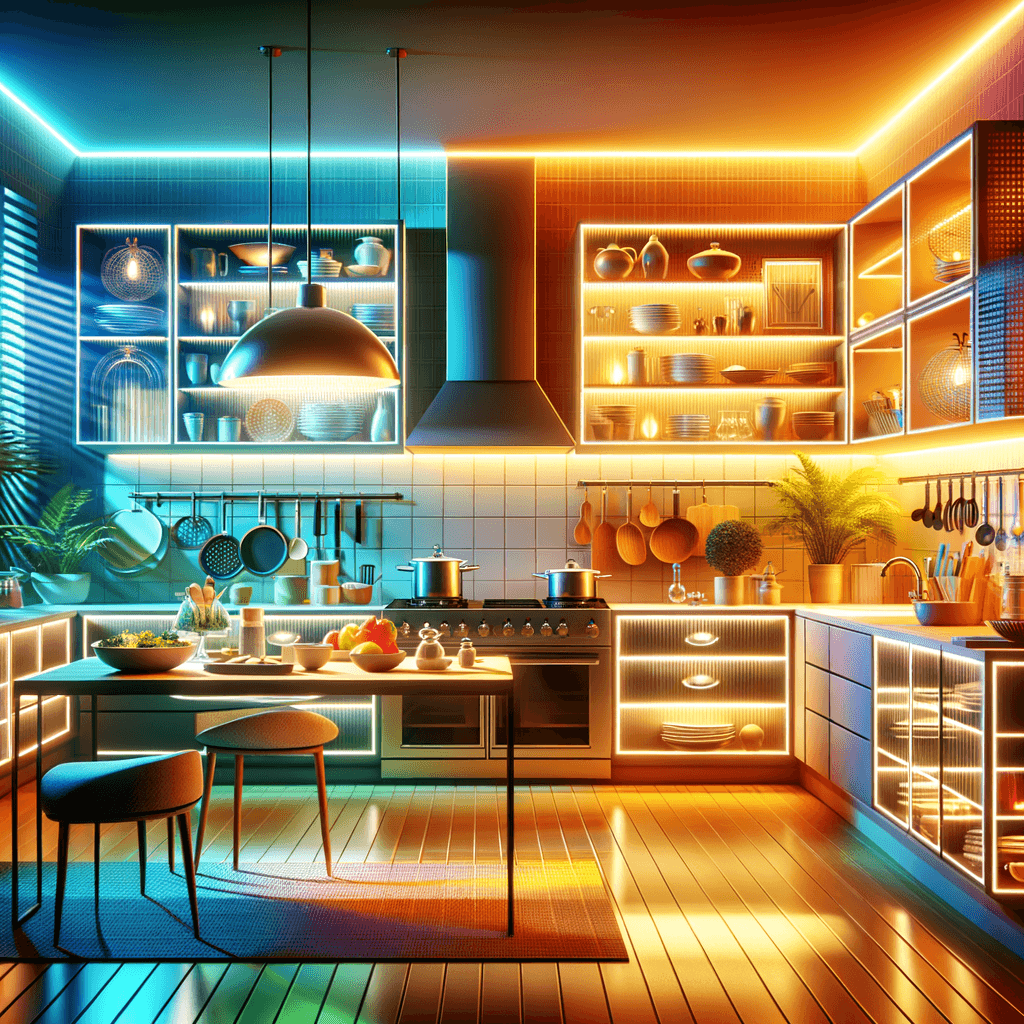
Each lighting type serves a distinct purpose in the kitchen ecosystem. Ambient lighting provides overall illumination, task lighting focuses on work zones like countertops and islands, and accent lighting highlights architectural or decorative features. Integrating all three ensures both safety and style are prioritized.- Ambient Lighting: Ceiling-mounted fixtures, recessed lights, or LED panels for general brightness.
- Task Lighting: Under-cabinet strips, pendant lights over islands, and focused track lights for food prep and cooking.
- Accent Lighting: Toe-kick LEDs, in-cabinet spotlights, and wall sconces to showcase textures, art, or unique cabinetry.
Selecting Fixtures: From Statement Pendants to Subtle Recessed Lights
Choosing the right fixtures goes beyond aesthetics; it influences visibility, mood, and energy efficiency. Consider the function of each zone and how fixture design can complement your overall kitchen theme, whether industrial, minimalist, or transitional.| Fixture Type | Best Use | Design Note |
| Recessed Downlights | General/Task | Discreet, blends with ceiling |
| Pendant Lights | Islands/Dining Nooks | Adds character, focal point |
| Under-Cabinet LEDs | Task/Accent | Eliminates shadows on counters |
| Toe-Kick Lighting | Accent | Creates floating effect for cabinetry |
Innovative Lighting Controls and Smart Integration
Modern kitchens benefit from advanced lighting controls, including dimmers, motion sensors, and app-based systems. These technologies allow you to tailor illumination to the time of day, task, or mood, and can contribute to energy savings. Smart lighting can be integrated with other kitchen technologies for seamless operation.“Incorporating smart controls into your kitchen lighting not only enhances convenience but also future-proofs your renovation investment.”
Common Lighting Mistakes to Avoid in Kitchen Renovations
Even the most stylish fixtures can disappoint if not planned correctly. Overlooking lighting layers, underestimating the need for task illumination, or ignoring fixture placement often results in dark corners, glare, or wasted energy. Avoid these pitfalls by mapping out lighting zones early in your renovation process.- Relying solely on overhead lighting, leaving work areas dim.
- Placing fixtures where cabinets or appliances cast shadows.
- Neglecting dimmer switches, reducing flexibility and ambiance.
- Choosing style over substance—prioritizing appearance at the expense of function.