Mastering Kitchen Lighting Layers: Strategies for a Brilliant, Functional Remodel
By Total Care Kitchens Wed Mar 04 20268 minutes
Why Layered Lighting Is Essential in Modern Kitchen Renovations
A thoughtfully designed kitchen demands more than just overhead illumination. Layered lighting—combining ambient, task, and accent sources—ensures every corner of your kitchen is both functional and inviting. This approach not only improves visibility and safety but also elevates the overall ambiance, allowing you to adapt the mood for cooking, entertaining, or relaxing.“The most successful kitchen renovations prioritize lighting as much as layout or materials—without it, even the best designs fall flat.”
Understanding the Three Layers: Ambient, Task, and Accent Lighting
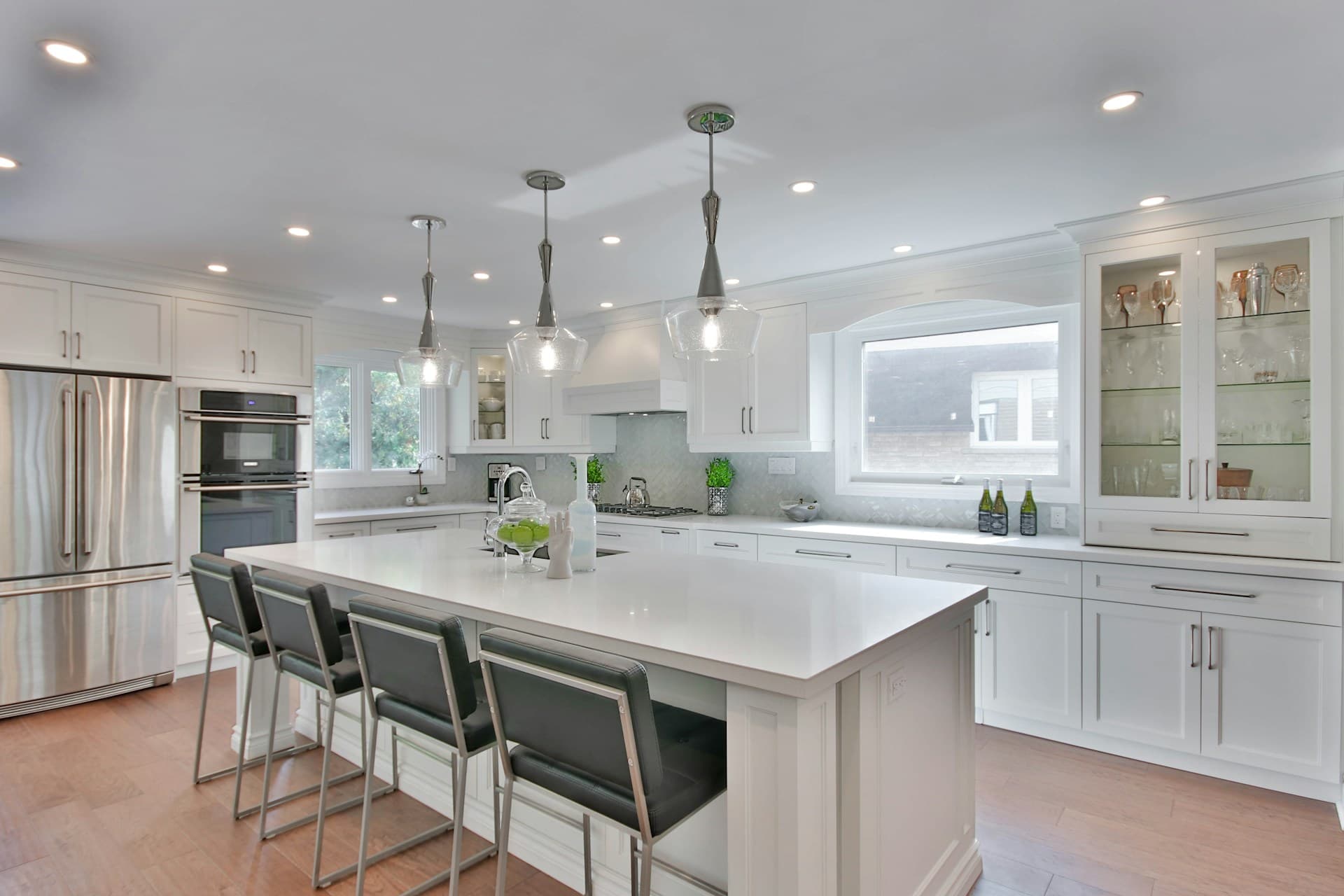
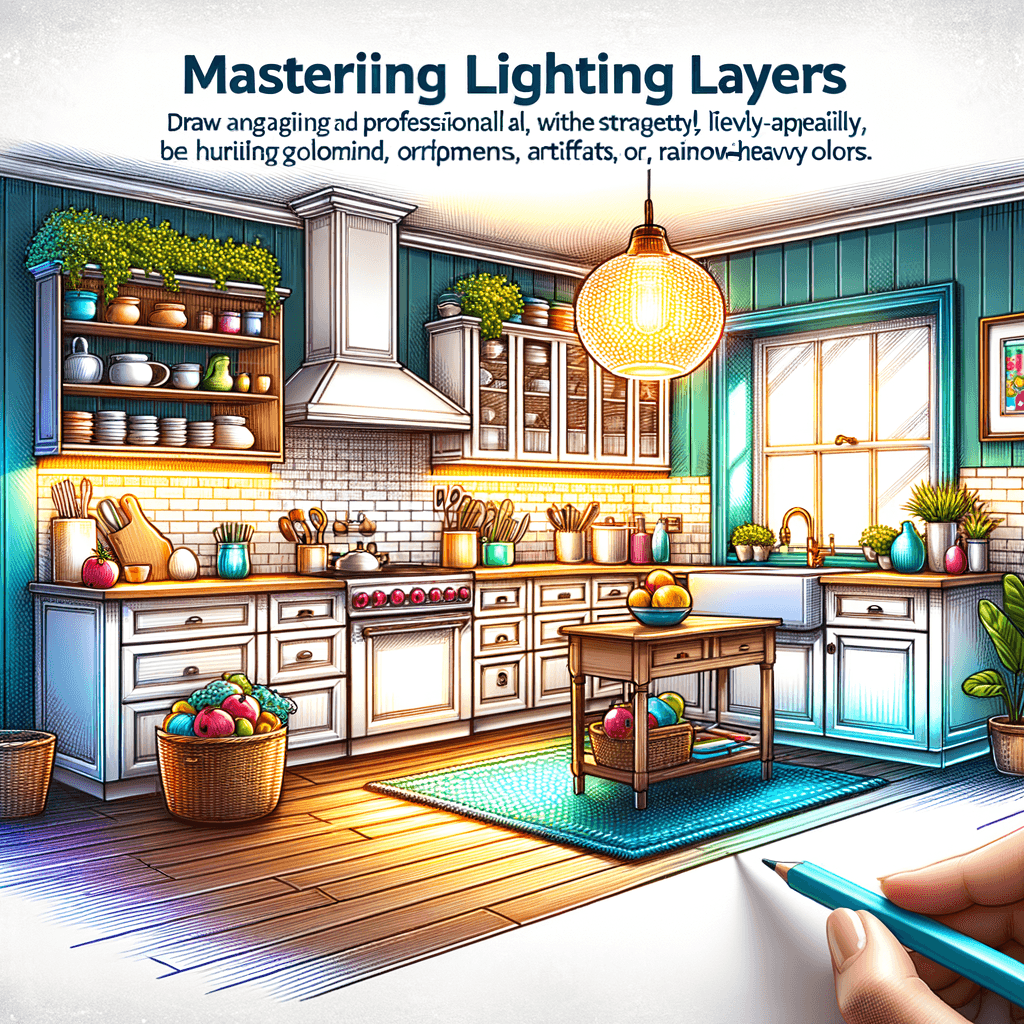
Each lighting layer serves a distinct purpose in the kitchen. Ambient lighting provides the foundational glow, task lighting sharpens visibility for food prep and cooking, while accent lighting highlights architectural details or decor. Mastering their interplay is the secret to a truly luminous kitchen.- Ambient Lighting: Ceiling-mounted fixtures, recessed cans, or architectural LEDs that wash the room in general light.
- Task Lighting: Focused illumination over countertops, sinks, and cooktops—think LED strips under cabinets or pendant lights above islands.
- Accent Lighting: Spotlights, toe-kick LEDs, or illuminated glass cabinets that add depth and drama to your kitchen's design.
Selecting the Right Fixtures for Each Lighting Layer
Choosing fixtures goes beyond aesthetics; it’s about matching light output, color temperature, and adjustability to each zone’s needs. Consider how each fixture type interacts with your cabinetry, countertops, and appliances to avoid glare or shadowing.| Lighting Layer | Fixture Types | Ideal Placement |
| Ambient | Recessed cans, flush-mount LEDs | Ceiling, evenly spaced |
| Task | Under-cabinet strips, pendants | Below cabinets, over islands/sinks |
| Accent | Spotlights, toe-kick LEDs | Above cabinets, in glass-front shelves |
Innovative Controls: Dimmers, Zones, and Smart Lighting Solutions
Modern kitchens benefit immensely from flexible lighting controls. Installing dimmers and creating separate lighting zones allows you to tailor brightness and mood for every activity. Smart lighting systems, compatible with voice assistants or apps, offer even greater convenience and energy savings.- Wireless dimmers for easy retrofitting.
- Zoned circuits for independent control of each lighting layer.
- Smart bulbs and switches that integrate with home automation platforms.
“Lighting control is the unsung hero of kitchen comfort—giving you the power to adapt your space at the touch of a button.”
Emerging Trends: Statement Fixtures and Sustainable Solutions
Today’s kitchen lighting isn’t just about function; it’s a design statement. Oversized pendants, sculptural LEDs, and fixtures made from recycled materials are gaining traction. Meanwhile, energy-efficient LED technology and daylight harvesting sensors are helping homeowners reduce their environmental footprint without sacrificing style.Common Lighting Mistakes to Avoid in Kitchen Renovations
Even the most luxurious kitchens can be undermined by poor lighting choices. Avoiding these pitfalls ensures your investment shines—literally and figuratively.- Over-reliance on a single overhead fixture, leading to shadows and uneven illumination.
- Neglecting task lighting in critical work zones.
- Using mismatched color temperatures that disrupt the kitchen’s visual harmony.
- Skipping dimmers or controls, resulting in inflexible lighting scenarios.