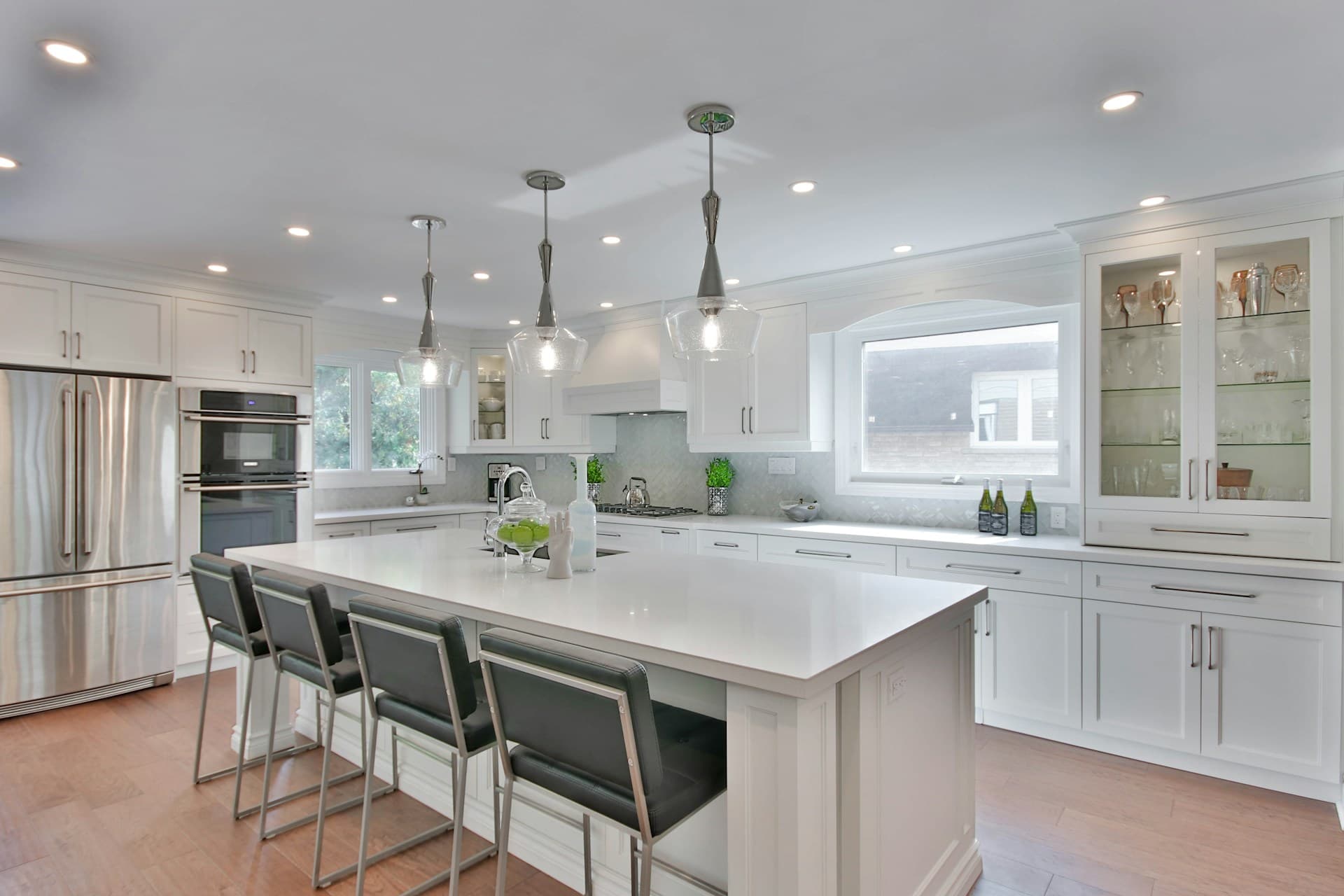
Mastering Kitchen Lighting Layers: Strategies for a Brilliant, Functional Remodel
By Total Care Kitchens Tue Mar 31 20268 minutes
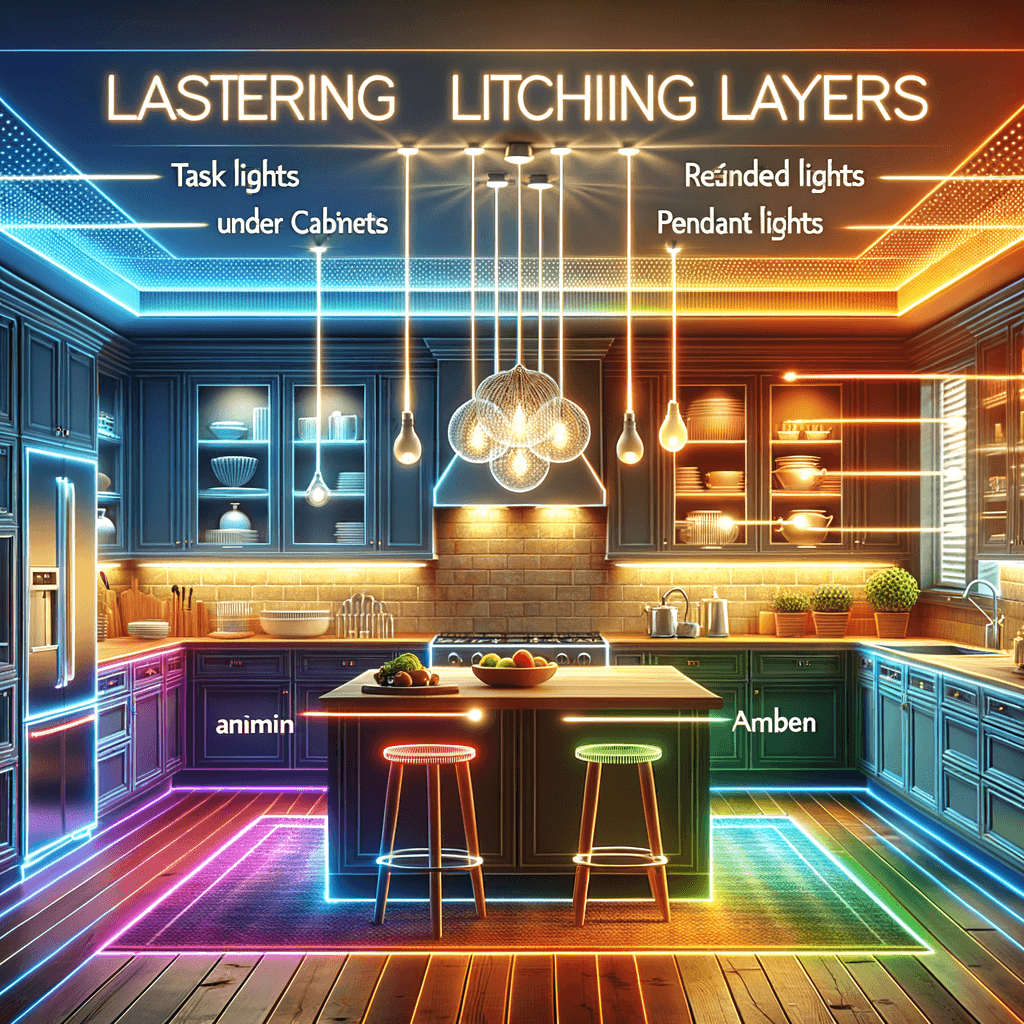
Why Layered Lighting Is Essential in Kitchen Renovation
Lighting is often underestimated in kitchen remodels, yet it dramatically influences both functionality and ambiance. A layered approach—combining ambient, task, and accent lighting—ensures every corner is well-lit for cooking, entertaining, and relaxing. Thoughtful illumination can transform a bland kitchen into a dynamic, welcoming environment.“A kitchen’s lighting plan should be as carefully crafted as its layout—every task and mood deserves its own illumination.”
The Three Pillars of Layered Kitchen Lighting
- Ambient Lighting: The foundational layer, typically achieved with recessed fixtures, flush mounts, or architectural LEDs, ensuring general visibility.
- Task Lighting: Focused illumination over work zones like countertops, sinks, and islands, often delivered via pendants, under-cabinet strips, or directional spotlights.
- Accent Lighting: Used to highlight architectural features, open shelving, or art, accent lighting adds depth and personality through toe-kick LEDs or cabinet uplighting.
Innovative Fixtures and Placement Strategies
Modern kitchens benefit from a strategic mix of lighting technologies. Consider integrating linear LED profiles beneath floating shelves, using pendant clusters above islands, or embedding cove lighting into ceiling recesses. These approaches blend aesthetics with targeted functionality, elevating both style and usability.Choosing the Right Bulbs: Color Temperature and CRI
Selecting bulbs isn’t just about wattage. Color temperature (measured in Kelvins) influences the kitchen’s mood, while Color Rendering Index (CRI) affects how true colors appear. Warmer tones (2700–3000K) create a cozy atmosphere, whereas cooler tones (3500–4000K) enhance clarity for food prep. High CRI bulbs (90+) are ideal for accurate color perception, especially in culinary settings.| Lighting Type | Recommended Color Temp (Kelvin) | Ideal CRI |
| Ambient | 2700–3500 | 80–90 |
| Task | 3500–4000 | 90+ |
| Accent | 3000–3500 | 90+ |
Smart Lighting Solutions for Modern Kitchens
Smart lighting systems bring unparalleled flexibility to kitchen spaces. With programmable scenes, dimming capabilities, and voice control, homeowners can instantly adapt lighting for cooking, dining, or entertaining. Integration with home automation platforms also enhances energy efficiency and convenience.“Smart lighting isn’t just about convenience—it’s about creating a kitchen that adapts to your lifestyle and evolves with your needs.”
Budgeting for a Layered Lighting Plan
Allocating budget for lighting can be daunting, but it’s crucial for both safety and style. Prioritize essential layers first, then allocate additional funds for statement fixtures or advanced controls. Investing in quality fixtures and dimmers pays dividends in comfort and energy savings.- Define your lighting priorities by listing must-have zones (prep, dining, display).
- Research fixture costs and compare brands for longevity and warranty.
- Factor in installation fees, especially for rewiring or smart system integration.
- Plan for future upgrades—choose fixtures compatible with evolving technologies.
Common Mistakes to Avoid in Kitchen Lighting Design
Even the most beautiful kitchens can fall flat with poor lighting. Avoiding these pitfalls ensures your renovation delivers both form and function.- Relying solely on overhead lighting, leading to shadows and eye strain.
- Neglecting task lighting in critical zones like the sink or cooktop.
- Choosing mismatched color temperatures, which can create a disjointed look.
- Overlooking dimming options, limiting mood flexibility.