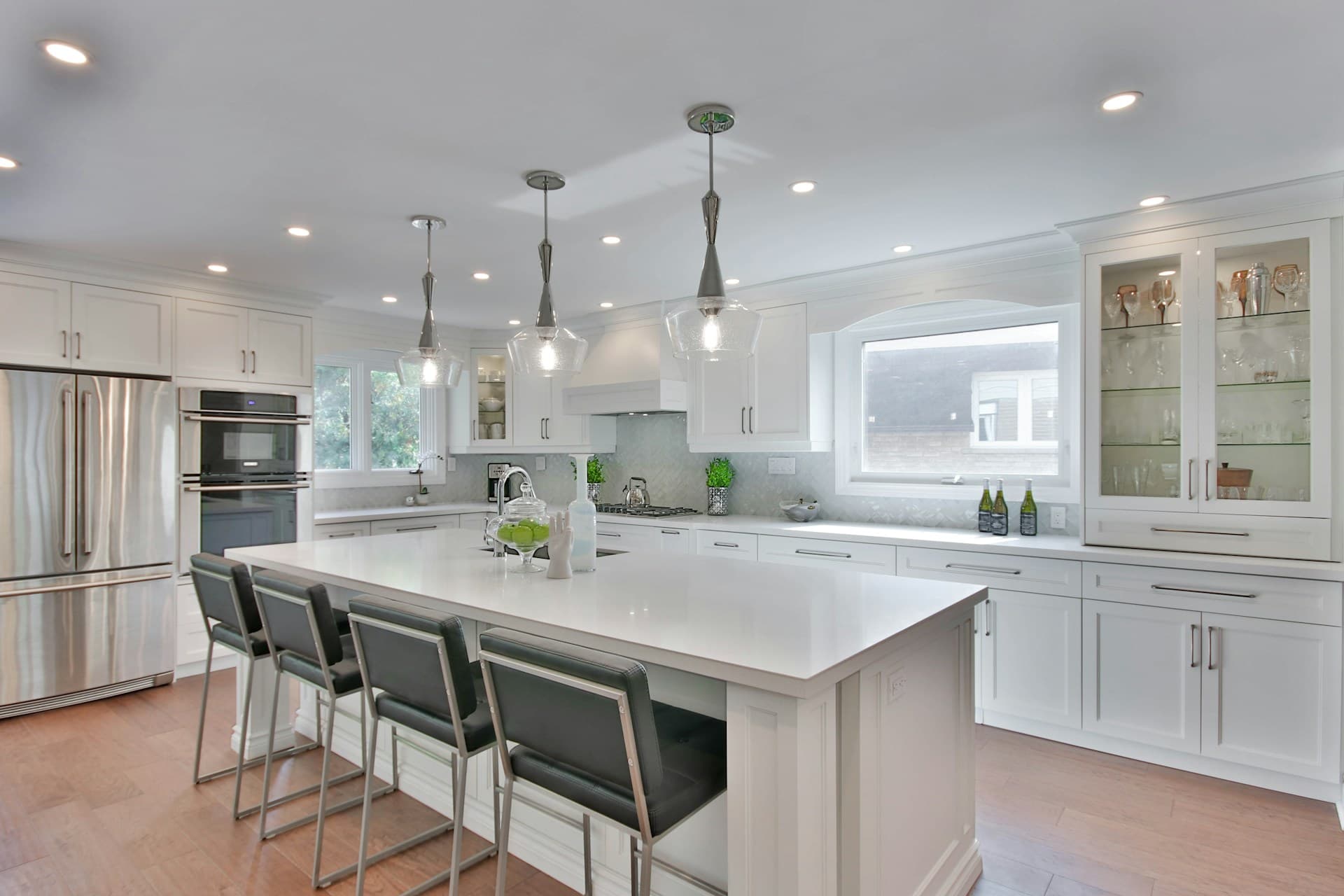
Mastering Kitchen Lighting Layers: Techniques for a Functional and Inviting Renovation
By Total Care Kitchens Fri Mar 13 20267 minutes
The Importance of Layered Lighting in Kitchen Renovations
A well-designed kitchen relies on strategic lighting to enhance both functionality and ambiance. Layered lighting goes beyond basic illumination, offering a sophisticated approach that adapts to cooking, entertaining, and everyday living. Many homeowners underestimate the transformative power of lighting, yet it can redefine the entire kitchen experience.“Lighting is the silent partner in kitchen design, shaping mood and performance without stealing the spotlight.”
Understanding Lighting Layers: Ambient, Task, and Accent
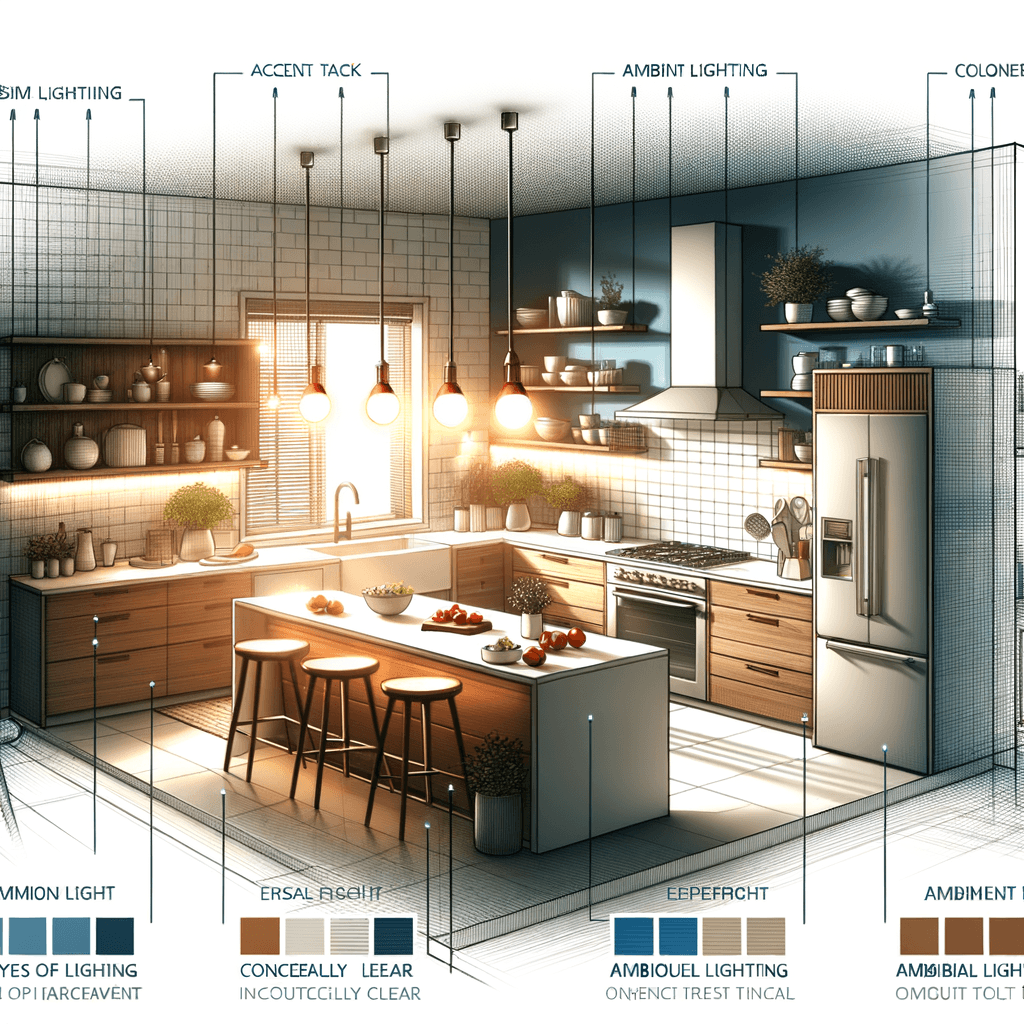
Each lighting layer serves a distinct purpose in the kitchen. Ambient lighting forms the foundation, providing overall illumination. Task lighting targets specific work zones, ensuring safety and precision during food prep. Accent lighting highlights architectural details, backsplashes, or art, adding dimension and personality to the space.- Ambient Lighting: Ceiling fixtures, recessed cans, and flush mounts for general brightness.
- Task Lighting: Pendant lights over islands, LED strips under cabinets, and directional spotlights for prep zones.
- Accent Lighting: Toe-kick LEDs, in-cabinet lights, and wall washers to emphasize design features.
Innovative Lighting Technologies for Modern Kitchens
Advancements in lighting technology have revolutionized kitchen renovations. LED fixtures offer superior energy efficiency and longevity. Smart lighting systems allow homeowners to adjust color temperature, brightness, and schedules via smartphone or voice commands, creating a customizable environment for every occasion.| Technology | Benefits |
| LED Fixtures | Energy savings, long lifespan, cool operation |
| Smart Lighting | Customizable scenes, remote control, integration with smart homes |
| Dimmable Systems | Adjustable ambiance for any activity |
Designing Your Lighting Plan: Placement and Layer Integration
Effective lighting design requires thoughtful placement and integration of each layer. Consider the kitchen’s layout, cabinetry, and surface finishes to avoid shadows and maximize visibility. Layered lighting should be adaptable, supporting both culinary tasks and social gatherings with seamless transitions.- Assess kitchen zones: Identify prep, cooking, dining, and display areas.
- Map fixture locations: Avoid dark corners and ensure even distribution.
- Select fixture styles: Match lighting to your kitchen’s aesthetic and color palette.
- Incorporate controls: Use dimmers and smart switches for flexibility.
Balancing Functionality with Style: Trends and Inspiration
Current trends emphasize minimalist fixtures, mixed-metal finishes, and sculptural pendants that serve as visual focal points. Integrating lighting with cabinetry, shelving, or architectural elements can create a cohesive look while enhancing usability. The interplay of warm and cool lighting tones also allows for personalized atmospheres.“Great kitchen lighting is equal parts artistry and engineering—never settle for just one.”
Practical Tips for a Seamless Lighting Renovation
A successful lighting upgrade requires careful planning and attention to detail. Collaborate with a lighting designer or electrician early in the renovation process to ensure wiring, switches, and fixtures are installed efficiently. Remember to balance natural and artificial light, and prioritize energy-efficient options for long-term savings.- Plan wiring before cabinetry installation to avoid costly changes.
- Choose fixtures with high Color Rendering Index (CRI) for true-to-life colors.
- Use layered controls for adaptable lighting throughout the day.
- Schedule a lighting walkthrough before finalizing placement.