Seamless Appliance Integration: Elevating Kitchen Renovation with Built-In Solutions
By Total Care Kitchens Fri Feb 06 20268 minutes
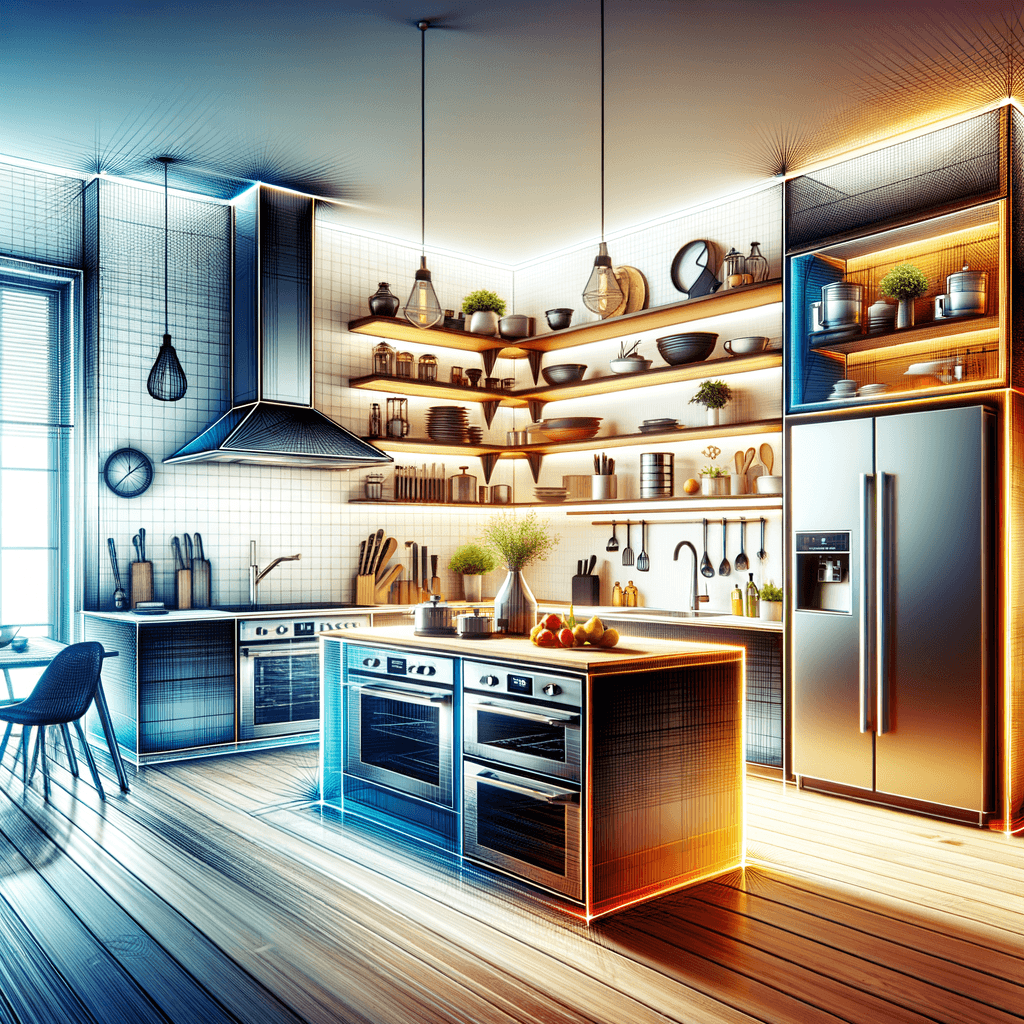
The Evolution of Appliance Integration in Modern Kitchens
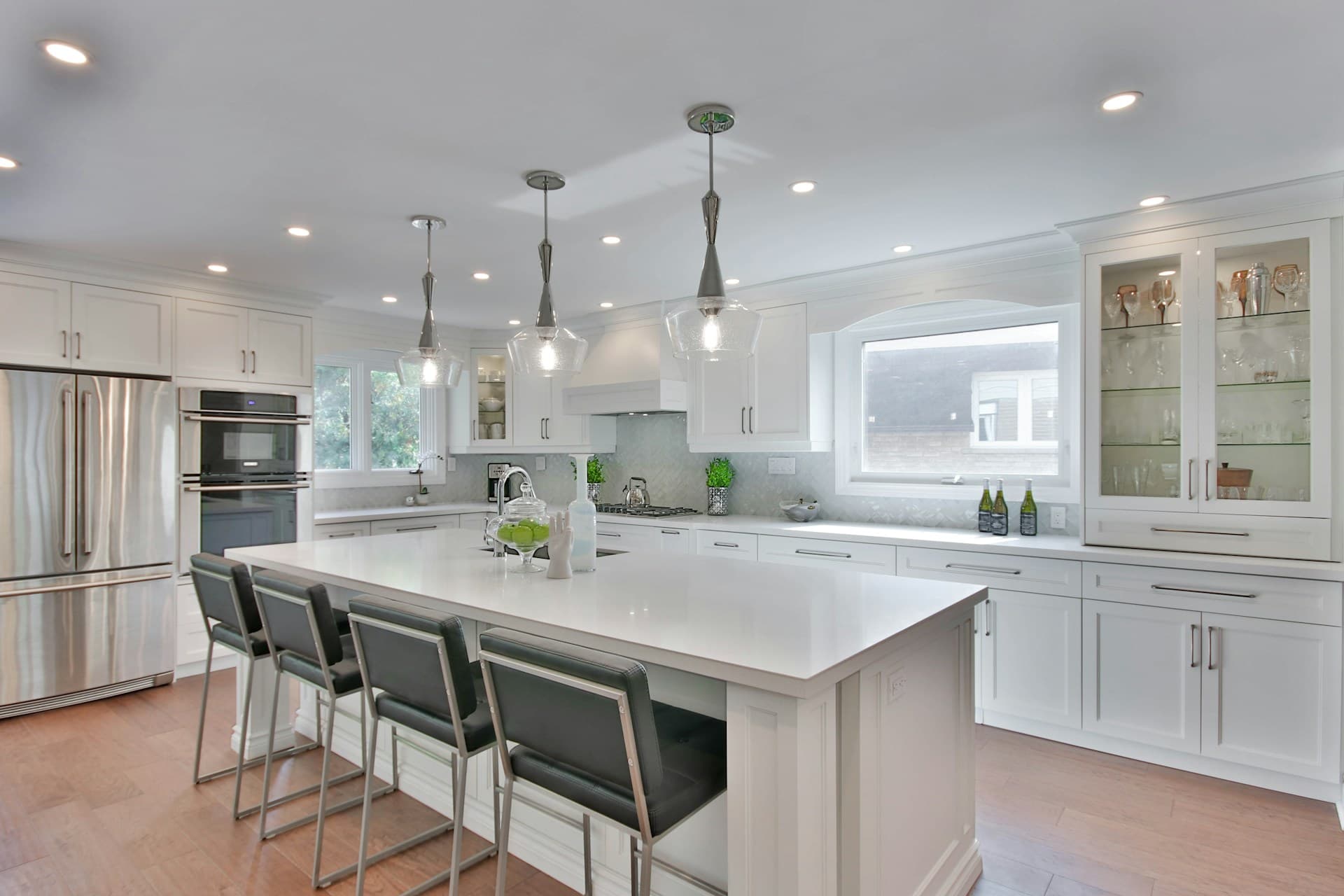
Today’s kitchen renovations are defined by more than just surface aesthetics—seamless appliance integration has become a hallmark of high-end, functional design. Homeowners are moving away from standalone units in favor of built-in appliances that harmonize with cabinetry, creating a sleek, uncluttered environment. This approach not only enhances visual cohesion but also maximizes usable space, catering to both style and practicality.“A well-integrated appliance suite is the backbone of a kitchen that feels both luxurious and effortlessly functional.”
Built-In vs. Freestanding Appliances: A Comparative Perspective
Choosing between built-in and freestanding appliances is a pivotal decision in any kitchen renovation. Built-in options, such as wall ovens and panel-ready refrigerators, offer a flush, custom look, while freestanding units provide flexibility and often lower upfront costs. Understanding the nuances of each can guide homeowners toward the best solution for their lifestyle and design vision.| Feature | Built-In Appliances | Freestanding Appliances |
| Aesthetics | Seamless, custom fit | Distinct, visible units |
| Space Efficiency | Maximizes cabinetry integration | Requires dedicated clearance |
| Resale Value | Often increases | Varies by model |
| Installation | Requires professional fitting | DIY-friendly |
Cabinetry Innovations for Appliance Concealment
Custom cabinetry is revolutionizing appliance integration. From refrigerator columns hidden behind bespoke panels to under-counter microwave drawers, tailored solutions can transform bulky appliances into virtually invisible elements. Soft-close mechanisms, pocket doors, and ventilated enclosures add further sophistication, allowing kitchens to maintain a streamlined, cohesive appearance.- Panel-ready refrigerators that blend with cabinet fronts
- Appliance garages for concealing small devices
- Lift-up cabinetry for stand mixers and blenders
- Integrated wine coolers and beverage centers
Countertop Considerations: Marrying Function with Appliance Placement
The selection and layout of countertops play a crucial role in appliance integration. Materials like quartz and granite offer durability near cooktops, while butcher block provides warmth around prep zones. Strategically placing appliances—such as under-counter ovens or pop-up outlets—ensures workflow efficiency without sacrificing valuable surface area.Smart Appliances: The Intersection of Technology and Design
Integrating smart appliances is reshaping the culinary landscape. Wi-Fi-enabled ovens, touchless faucets, and app-controlled coffee makers offer unprecedented convenience. These technologies can be seamlessly embedded within cabinetry or countertops, maintaining a minimalist profile while delivering high-performance functionality.- Voice-activated range hoods
- Refrigerators with interior cameras
- Induction cooktops with integrated ventilation
- Dishwashers with hidden control panels
“Smart technology should enhance the kitchen experience without disrupting the visual flow of the space.”
Eco-Friendly Appliance Choices for Sustainable Renovations
Sustainability is increasingly influencing appliance selection. Energy Star-certified refrigerators, induction cooktops, and convection ovens reduce energy consumption while supporting eco-conscious living. Integrating these efficient models behind cabinetry or within custom niches further minimizes their footprint and visual impact.Budgeting for Integrated Appliances: What to Expect
While built-in appliances and custom cabinetry often carry a premium price, their long-term value—both in functionality and resale—can justify the investment. Homeowners should allocate a realistic budget, factoring in professional installation, electrical upgrades, and bespoke millwork. Strategic planning can help avoid costly overruns and ensure a harmonious result.- Research appliance rebates and energy incentives
- Prioritize high-use appliances for integration
- Balance splurge items with cost-effective alternatives
- Consult with a certified kitchen designer
Common Pitfalls and How to Avoid Them
Overlooking appliance clearances, skimping on ventilation, or mismatching finishes can undermine the integration process. Early collaboration with contractors, designers, and appliance specialists is essential to prevent costly mistakes and ensure a flawless installation.“The most successful kitchen renovations are those where every detail—from appliance location to cabinet hardware—is considered from the outset.”