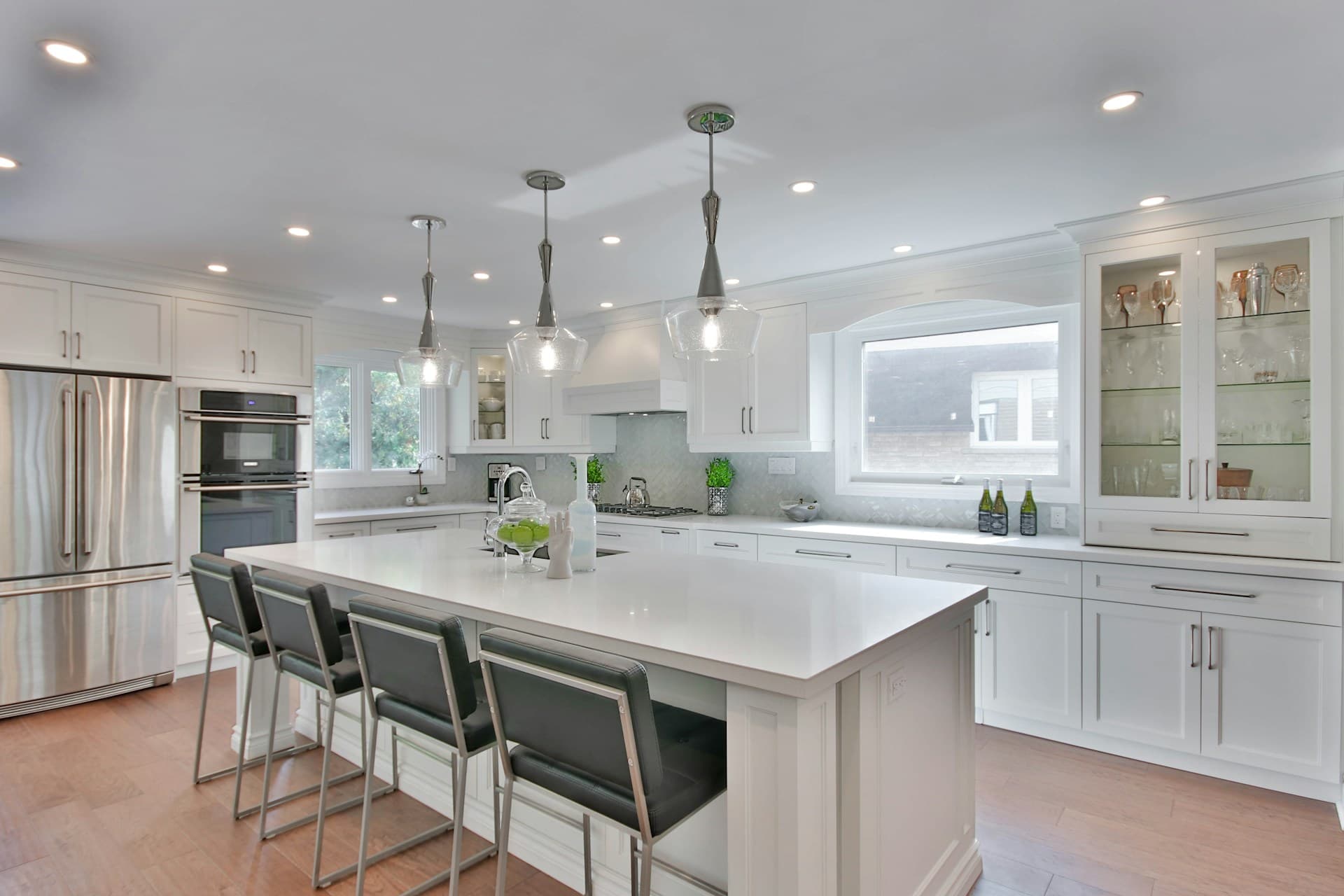
Seamless Appliance Integration: Elevating Kitchen Renovations Beyond Aesthetics
By Total Care Kitchens Mon Mar 30 20268 minutes
Why Appliance Integration Matters in Kitchen Renovations
Appliance integration is more than a design trend—it's a pivotal strategy for creating harmonious, functional kitchens that align with modern lifestyles. Homeowners crave spaces that feel cohesive, uncluttered, and tailored to their culinary routines. Integrated appliances not only elevate the visual appeal but also optimize workflow and maximize available space.“The most successful kitchen renovations are those where appliances disappear into the design, allowing both form and function to shine.”
Types of Integrated Appliances for the Modern Kitchen
Today’s market offers a spectrum of integration options, from fully built-in ovens to panel-ready refrigerators and concealed dishwashers. Understanding the distinctions empowers homeowners to select solutions that match both their aesthetic vision and practical needs.- Built-in ovens and microwaves
- Panel-ready refrigerators and freezers
- Fully integrated dishwashers
- Drawer-style appliances (microwaves, refrigerators, dishwashers)
- Concealed range hoods and ventilation units
Designing the Layout: Placement and Flow
Strategic placement of integrated appliances is essential for ergonomic efficiency. The classic work triangle—linking the sink, refrigerator, and cooktop—remains a guiding principle, but modern kitchens often require more nuanced zoning to accommodate specialty appliances and multi-cook households.| Layout Type | Best For | Integration Tips |
| Galley | Compact spaces, efficiency | Stack appliances vertically to save space |
| L-Shape | Flexible, open corners | Embed appliances in corner cabinetry |
| Open Concept | Entertaining, family zones | Opt for panel-ready appliances to blend with living areas |
Cabinetry Innovations for Appliance Integration
Cabinetry is the linchpin of successful appliance integration. Custom millwork allows for flush installations, touch-latch doors, and hardware-free facades, creating a seamless look. Innovative solutions like appliance garages and retractable panels further enhance usability without sacrificing style.- Touch-to-open cabinetry for handleless designs
- Pocket doors that conceal small appliances
- Appliance garages for countertop gadgets
- Custom panels to match appliance fronts with cabinetry
Countertop Selection: Supporting Integrated Appliances
Countertop materials must withstand the demands of integrated appliances, especially around cooktops, sinks, and built-in microwaves. Durability, heat resistance, and ease of cleaning are critical factors when choosing between granite, quartz, butcher block, or concrete surfaces.| Material | Strengths | Best Use |
| Granite | Heat resistant, durable | Around cooktops and ovens |
| Quartz | Non-porous, low maintenance | General prep areas |
| Butcher Block | Warmth, easy repair | Integrated cutting stations |
| Concrete | Customizable, industrial look | Bespoke appliance surrounds |
Smart Appliance Integration: The Connected Kitchen
Integrating smart appliances takes kitchen renovation into the future. Wi-Fi-enabled ovens, refrigerators with inventory tracking, and voice-controlled dishwashers streamline daily routines and can be seamlessly incorporated into cabinetry for a clutter-free look.- Remote preheating and monitoring via smartphone apps
- Appliances that sync with home automation systems
- Voice-activated controls for hands-free operation
“A connected kitchen is not just about convenience—it's about creating a space that anticipates your needs and adapts to your lifestyle.”
Eco-Friendly Integration: Sustainable Choices
Sustainability is at the forefront of modern kitchen design. Energy-efficient appliances, low-VOC cabinetry finishes, and responsibly sourced materials allow homeowners to minimize their environmental footprint without compromising on style or performance.- Choose ENERGY STAR-rated appliances
- Opt for cabinetry made from FSC-certified wood
- Use recycled materials for appliance surrounds
Budgeting and Planning for Appliance Integration
Integrated appliances often require higher upfront investment due to custom cabinetry and specialized installation. However, the long-term benefits in resale value and daily enjoyment can outweigh initial costs. Careful budgeting and phased upgrades can make this approach accessible to more homeowners.| Expense Category | Estimated Cost Range |
| Panel-ready refrigerator | $2,500 - $8,000 |
| Custom cabinetry modifications | $1,000 - $5,000 |
| Professional installation | $500 - $2,000 |
Common Mistakes to Avoid When Integrating Appliances
Even the most beautiful kitchens can falter if appliances are poorly integrated. Overlooking ventilation requirements, mismatching panel finishes, or skimping on professional installation can undermine both aesthetics and functionality.- Neglecting appliance ventilation clearances
- Choosing incompatible panel materials
- DIY installation without expert guidance
Trending Aesthetics: The Look of Seamlessness
Minimalist lines, matte finishes, and monochromatic palettes are dominating integrated kitchen design. The aim is to create a visually quiet space where appliances recede, allowing architectural features and personal touches to take center stage.Balancing Functionality with Style: Final Thoughts
Achieving a seamless look shouldn’t come at the expense of usability. The best integrated kitchens marry invisible technology with intuitive access, ensuring that every appliance enhances both the workflow and the overall ambiance.“True kitchen luxury is measured not by what you see, but by how effortlessly everything works together.”