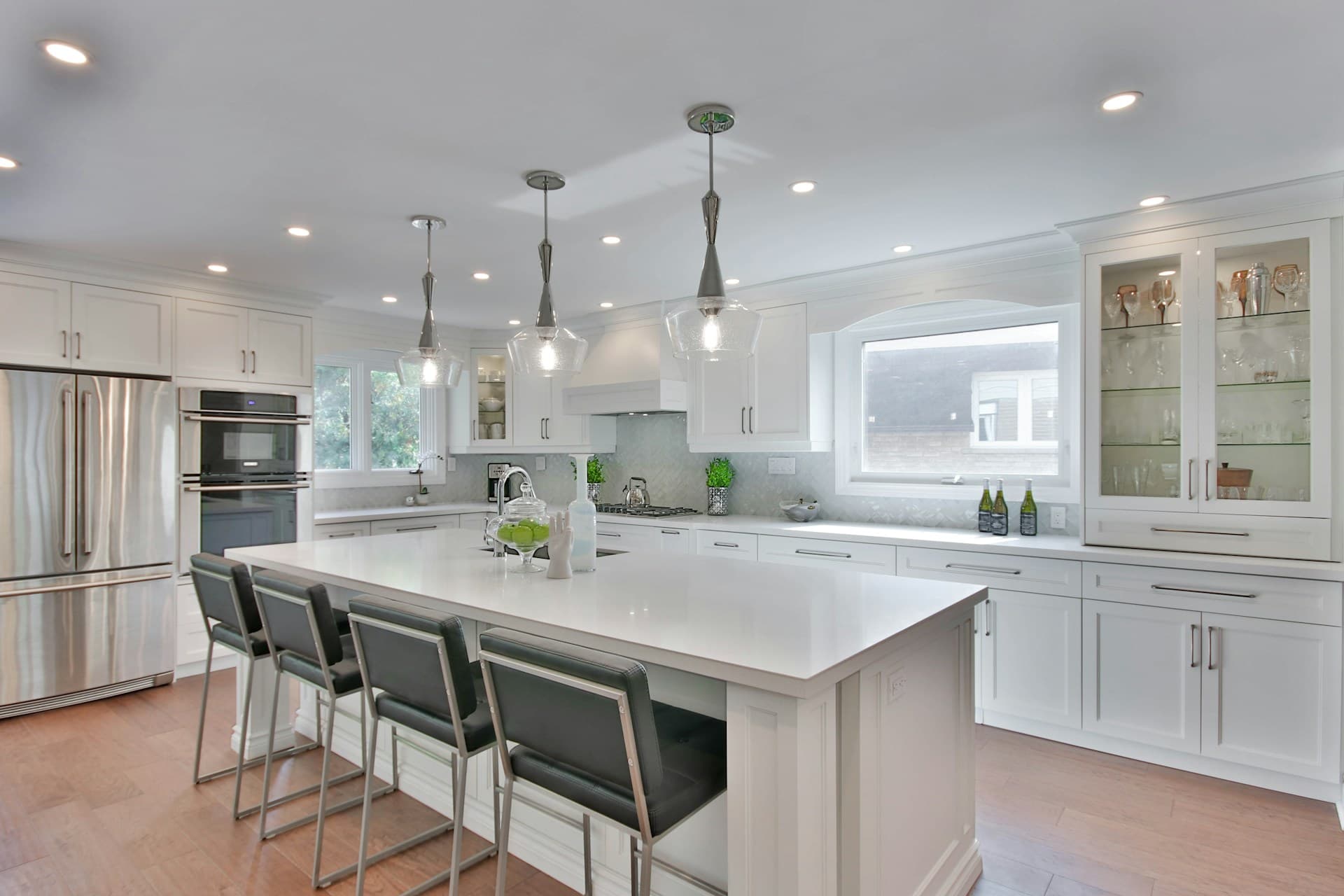
Seamless Appliance Integration in Kitchen Renovation: Blending Function and Aesthetics
By Total Care Kitchens Tue Feb 10 20268 minutes
Why Appliance Integration Is Reshaping Modern Kitchen Renovations
Today’s homeowners aspire to kitchens that are not just functional but visually cohesive. Integrating appliances—concealing them within cabinetry or making them blend seamlessly—has become a hallmark of contemporary kitchen design. This approach eliminates visual clutter, creates a unified look, and can even enhance resale value. But achieving a seamless integration requires strategic planning, technical know-how, and a keen eye for design.“A well-integrated kitchen is where technology disappears and lifestyle takes center stage.”
Types of Appliance Integration: From Built-In to Panel-Ready
There are multiple levels of appliance integration, each offering unique benefits. Built-in and panel-ready appliances are leading the way, allowing you to customize the kitchen’s appearance while ensuring practical access to essential tools. The choice depends on your renovation goals, budget, and desired aesthetic.- Built-In Appliances: Installed flush with cabinetry for a streamlined look.
- Panel-Ready Appliances: Outfitted with custom panels that match surrounding cabinets, making appliances virtually invisible.
- Fully Integrated Appliances: Concealed handles and controls for a minimalistic, uninterrupted facade.
- Semi-Integrated Appliances: Controls remain visible, but the body is covered with cabinetry panels.
Design Strategies for Harmonious Appliance Integration
Effective appliance integration is not simply about hiding machines; it’s about thoughtful placement, ergonomic flow, and visual harmony. Consider the kitchen’s work triangle, traffic patterns, and how each appliance supports daily tasks. Collaboration with designers and appliance specialists can help you achieve a layout that’s both beautiful and functional.Comparing Countertop Materials for Integrated Appliances
Countertop selection plays a vital role in appliance integration. Materials like quartz and granite offer durability and a polished look, while butcher block and concrete introduce warmth and texture. Each material interacts differently with integrated appliances—especially cooktops, under-counter refrigerators, and built-in coffee stations.| Material | Durability | Maintenance | Visual Compatibility |
| Quartz | High | Low | Excellent with modern appliances |
| Granite | Very High | Moderate | Works well with stainless finishes |
| Butcher Block | Medium | High | Adds warmth to integrated designs |
| Concrete | High | Moderate | Industrial appeal for panel-ready units |
Cabinetry Innovations: Maximizing Space Around Appliances
Custom cabinetry is key to successful appliance integration. Innovations like appliance garages, retractable doors, and lift-up panels allow for easy access while maintaining a tidy appearance. Deep drawers, pull-out trays, and modular inserts can be tailored to fit everything from microwaves to wine coolers.- Appliance Garages: Conceal small appliances behind roll-up or pocket doors.
- Pocket Doors: Slide away to reveal ovens or coffee stations without blocking walkways.
- Lift-Up Panels: Provide overhead access to mixers and blenders.
- Integrated Drawer Systems: Store warming drawers, vacuum sealers, or beverage fridges.
Lighting Design: Showcasing Integrated Appliances
Lighting is often overlooked in appliance integration, but it’s crucial for both functionality and ambiance. Layered lighting—combining task, ambient, and accent sources—highlights integrated features and enhances usability. Consider LED strips inside cabinetry, under-cabinet lighting for workspaces, and spotlights to showcase unique installations.“Lighting is the silent partner in kitchen design, revealing the beauty of integrated elements.”
Smart Appliances: The Next Level of Integration
Smart technology is revolutionizing how we interact with kitchen appliances. Wi-Fi-enabled ovens, refrigerators with touch screens, and voice-activated dishwashers can be fully integrated into your cabinetry, offering convenience without compromising style. Compatibility with home automation systems ensures your kitchen remains future-ready.Eco-Friendly Upgrades for Integrated Appliances
Sustainability is increasingly important in kitchen renovations. Energy-efficient, integrated appliances not only reduce your carbon footprint but can also lower utility bills. Look for ENERGY STAR-rated models and consider induction cooktops, which offer precise control and minimal heat loss.- Choose appliances with high energy efficiency ratings.
- Opt for materials and cabinetry certified for low emissions.
- Incorporate water-saving dishwashers and refrigerators.
Budgeting and Timeline Considerations for Appliance Integration
Integrating appliances often requires custom cabinetry, specialized installation, and precise planning, which can impact both budget and renovation timelines. Factor in lead times for panel-ready models and the additional labor required for bespoke cabinetry. Early coordination with your contractor and appliance supplier can prevent costly delays and change orders.Common Mistakes to Avoid in Appliance Integration
Even experienced renovators can overlook critical details. Avoiding common pitfalls ensures your kitchen remains both functional and stunning.- Neglecting ventilation requirements for built-in ovens and refrigerators.
- Choosing appliances before finalizing cabinetry dimensions.
- Overlooking access for future maintenance or repairs.
- Underestimating the impact of appliance door swings on traffic flow.