Seamless Appliance Integration in Kitchen Renovation: Design, Functionality, and Future-Proofing
By Total Care Kitchens Sun Feb 08 20268 minutes
The Evolution of Kitchen Appliance Integration
Modern kitchen renovations have moved beyond simply updating cabinets and countertops. Today, seamless appliance integration is central to achieving both a sophisticated aesthetic and peak functionality. Homeowners aspire to kitchens where appliances enhance, rather than interrupt, the design flow—creating a harmonious, clutter-free environment.“A well-integrated appliance isn’t just about looks—it’s about crafting a kitchen that feels effortless to use every day.”
Types of Integrated Appliances: Built-In, Panel-Ready, and Concealed
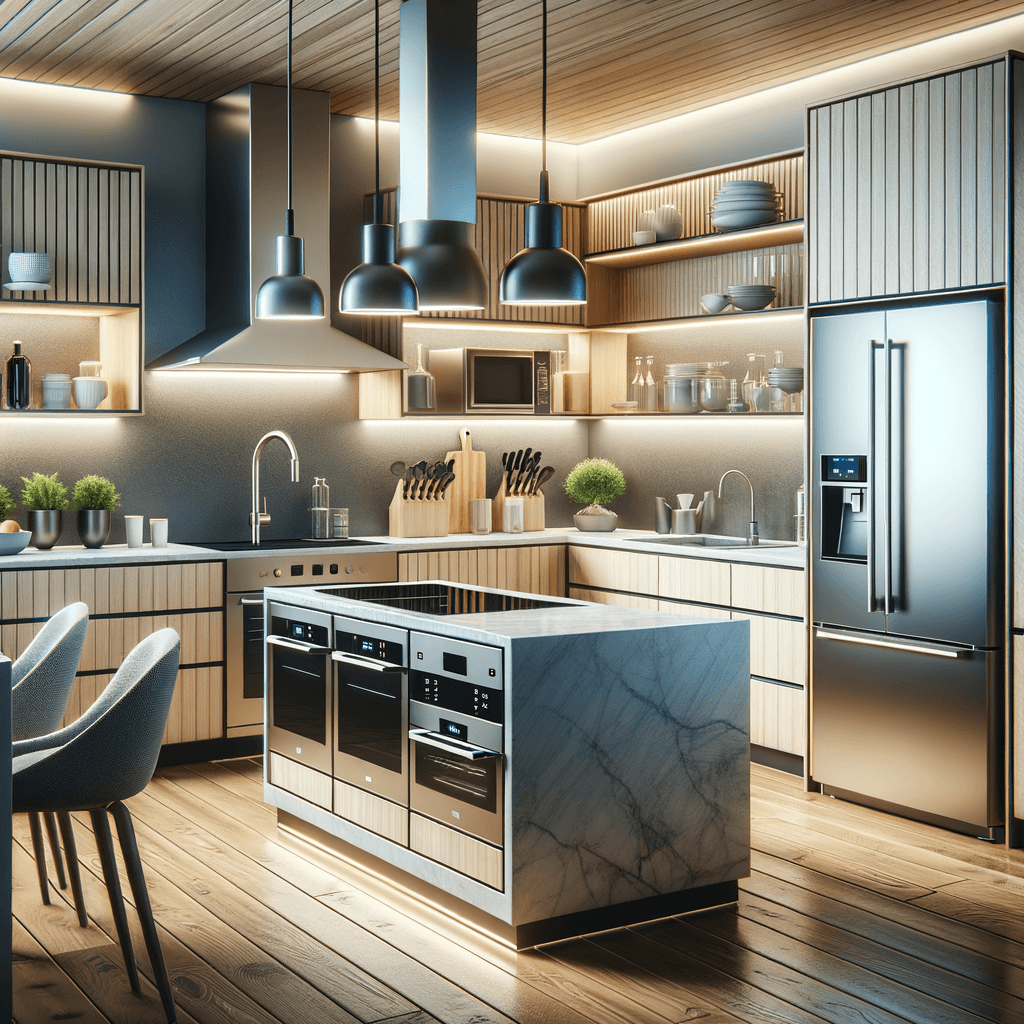
Choosing the right integration method can dramatically impact both the look and usability of your kitchen. Each approach offers distinct advantages, depending on your renovation goals and lifestyle needs.- Built-in appliances: Installed flush with cabinetry, offering a streamlined silhouette for ovens, microwaves, and coffee systems.
- Panel-ready appliances: Allow custom cabinetry panels to be attached, camouflaging refrigerators and dishwashers for a cohesive look.
- Concealed appliances: Hidden behind full-height doors or within islands, perfect for achieving a minimalist or ultra-modern vibe.
Design Strategies for Harmonious Appliance Placement
Strategic placement is crucial when integrating appliances. Considerations include workflow, accessibility, and visual balance. The ideal arrangement ensures that appliances are both easy to use and visually unobtrusive, supporting a natural cooking rhythm.| Appliance | Recommended Placement | Design Consideration |
| Wall Oven | At chest height in tall cabinetry | Ergonomics, safety |
| Refrigerator | Flush with cabinetry near prep zone | Traffic flow |
| Dishwasher | Next to sink, concealed with panel | Visual continuity |
| Cooktop | Integrated into island or counter | Open sightlines |
Future-Proofing with Smart and Modular Appliances
As technology evolves, so do kitchen appliances. Investing in smart, modular, or upgradable appliances ensures your kitchen remains relevant and functional for years to come. Look for Wi-Fi-enabled ovens, modular refrigeration columns, or induction cooktops with interchangeable zones to adapt as your needs change.“The most successful kitchen renovations anticipate tomorrow’s technology while honoring today’s design principles.”
Overcoming Common Pain Points in Appliance Integration
Many renovators face challenges such as awkward appliance sizes, mismatched finishes, or limited power sources. Address these issues early by collaborating with both your designer and appliance supplier. Precise measurements and early planning are critical to avoid costly setbacks and ensure flawless integration.- Measure appliance cutouts to the millimeter to prevent gaps or misalignments.
- Confirm electrical and plumbing requirements before cabinetry is fabricated.
- Select appliances from the same manufacturer for consistent finishes and handle styles.
Balancing Aesthetics and Functionality: Inspiration and Practical Guidance
An integrated kitchen should not sacrifice function for style. Prioritize appliances that align with your culinary habits while blending with your chosen aesthetic—be it Scandinavian minimalism, industrial chic, or classic elegance. Draw inspiration from showrooms and design publications, but adapt ideas to suit your unique space and routine.“Great kitchen design is not about hiding everything—it’s about integrating what matters, beautifully and intuitively.”