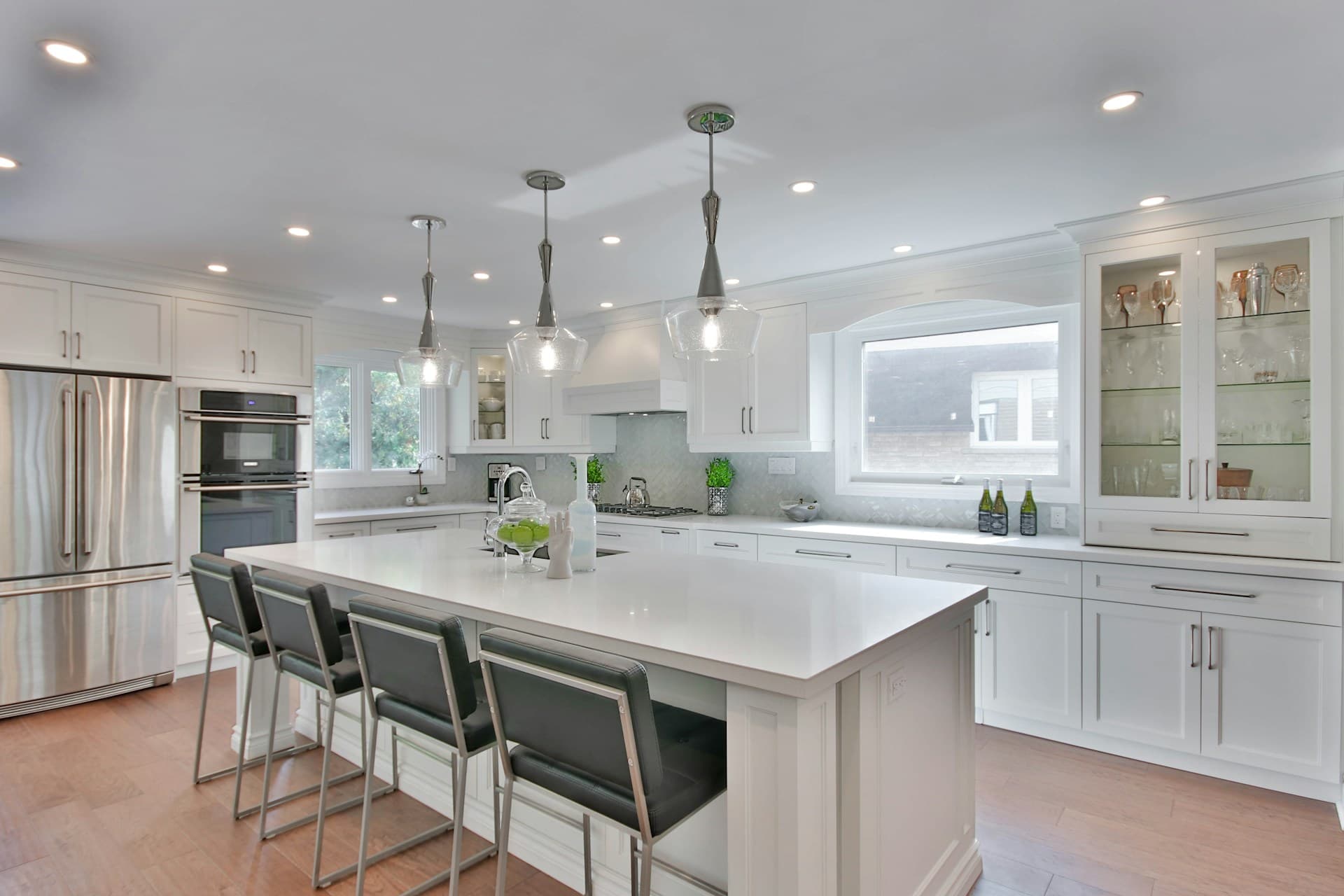
Seamless Appliance Integration in Kitchen Renovation: Design, Technology, and Workflow Enhancement
By Total Care Kitchens Sun Feb 22 20268 minutes
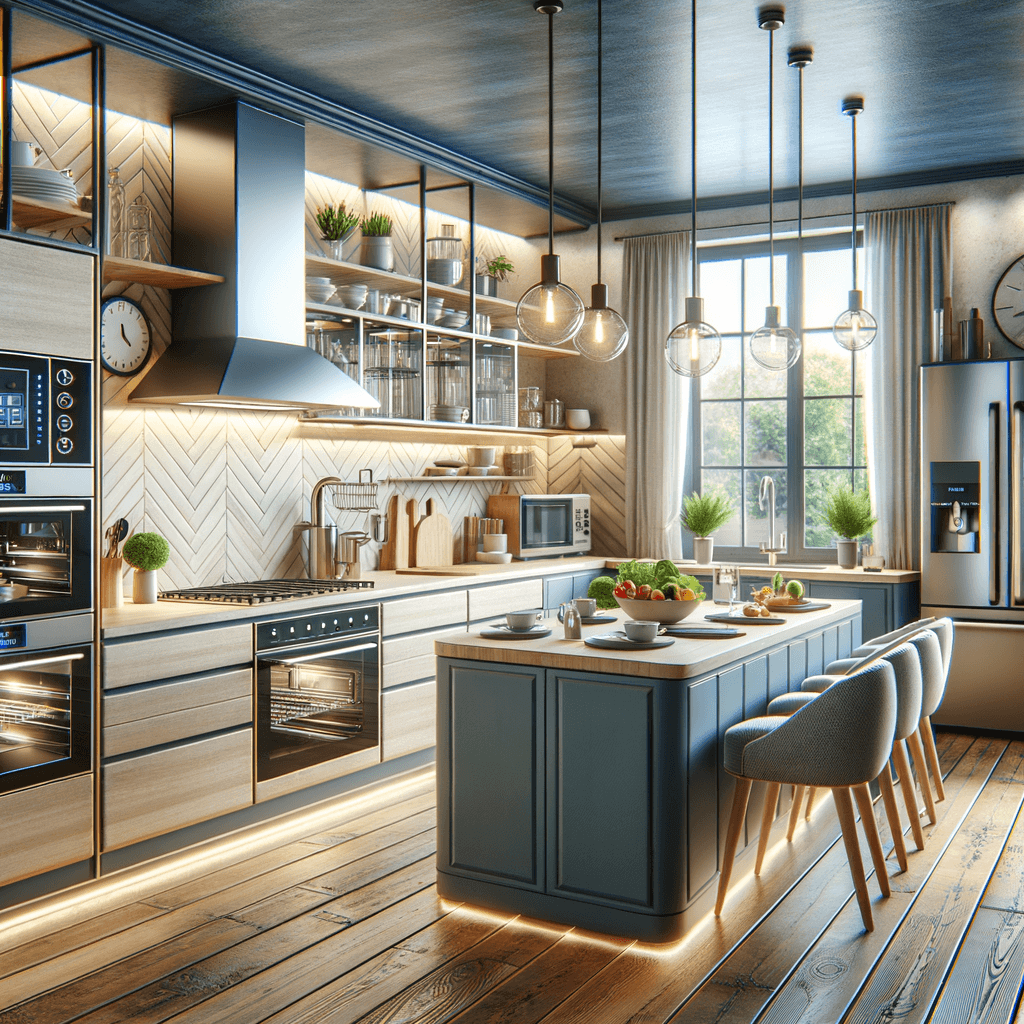
Why Appliance Integration Matters in Modern Kitchens
Today’s kitchens are not just spaces for meal prep—they’re social hubs, workstations, and showcases of personal style. Integrating appliances seamlessly into your kitchen renovation elevates both aesthetics and efficiency. When appliances blend into cabinetry and align with the overall design, the kitchen feels cohesive, uncluttered, and highly functional. Addressing appliance integration early in your renovation plan ensures that your kitchen not only looks stunning but also supports your daily routines and future needs.“A thoughtfully integrated appliance suite is the hallmark of a truly bespoke kitchen.”
Types of Appliance Integration: Built-In, Panel-Ready, and Smart Solutions
Choosing the right integration style is crucial for achieving your vision. Built-in appliances, panel-ready models, and smart technology each offer distinct advantages. Understanding their differences will guide you toward a kitchen that balances form and function.- Built-in appliances: Installed flush with cabinetry for a streamlined profile, ideal for wall ovens, microwaves, and refrigerators.
- Panel-ready appliances: Feature customizable fronts that match your cabinetry, creating a seamless, camouflaged look.
- Smart appliances: Incorporate Wi-Fi connectivity, voice control, and automation to optimize convenience and energy efficiency.
Optimizing Kitchen Workflow Through Strategic Appliance Placement
The placement of integrated appliances directly impacts the kitchen’s workflow and ergonomics. Effective zoning—grouping appliances according to task—reduces unnecessary movement and enhances the cooking experience. Consider how the refrigerator, sink, and cooktop form the classic work triangle, and how additional appliances like warming drawers or wine fridges fit into your routine.| Appliance | Optimal Placement | Workflow Benefit |
| Refrigerator | Near entry point | Easy grocery unloading |
| Wall Oven | Adjacent to prep area | Efficient meal assembly |
| Dishwasher | Next to sink | Streamlined cleanup |
| Microwave Drawer | Under counter, island | Safe, accessible reheating |
Design Tactics for a Cohesive Integrated Look
Achieving a visually unified kitchen relies on careful design choices. Matching appliance finishes, aligning handles, and choosing low-profile hardware all contribute to the illusion of a single, uninterrupted surface. Panel-ready appliances can be clad in the same materials as your cabinetry, while built-in models disappear behind custom millwork. Don’t overlook ventilation—integrated downdraft systems and concealed range hoods maintain clean sightlines without sacrificing performance.“Integration is not about hiding appliances, but about elevating the entire kitchen environment.”
Balancing Innovation and Practicality: Smart Appliances in Integrated Kitchens
The latest generation of smart appliances brings intelligence and adaptability to your renovation. From refrigerators that track inventory to ovens with remote preheat functions, these innovations can streamline daily tasks and reduce energy consumption. However, it’s essential to select features that align with your lifestyle, ensuring technology enhances rather than complicates your kitchen experience.- Wi-Fi-enabled ovens for remote control and recipe guidance
- Touchscreen refrigerators with grocery management apps
- Voice-activated dishwashers for hands-free operation
- Induction cooktops with safety sensors and precision controls
Budgeting and Planning for Appliance Integration
Integrated appliances often carry a premium price tag, but the investment pays off in resale value and daily satisfaction. Early planning helps you allocate resources wisely and avoid costly last-minute adjustments. Factor in installation requirements, electrical upgrades, and custom cabinetry when setting your budget. Consulting with a kitchen designer or appliance specialist can reveal hidden opportunities for savings and efficiency.“Prioritize the appliances you use most, and invest in integration where it matters most to your lifestyle.”
Common Pitfalls to Avoid When Integrating Appliances
Even the best-laid plans can go awry without attention to detail. Oversights in appliance sizing, ventilation, or access can lead to frustration and expensive modifications. Always double-check measurements, allow for proper airflow, and ensure serviceability of built-in units. Don’t forget to plan for future upgrades—selecting flexible integration solutions allows your kitchen to adapt as technology evolves.- Neglecting appliance clearances and ventilation needs
- Choosing incompatible cabinetry for panel-ready models
- Overlooking electrical and plumbing requirements
- Failing to test appliance accessibility and ergonomics