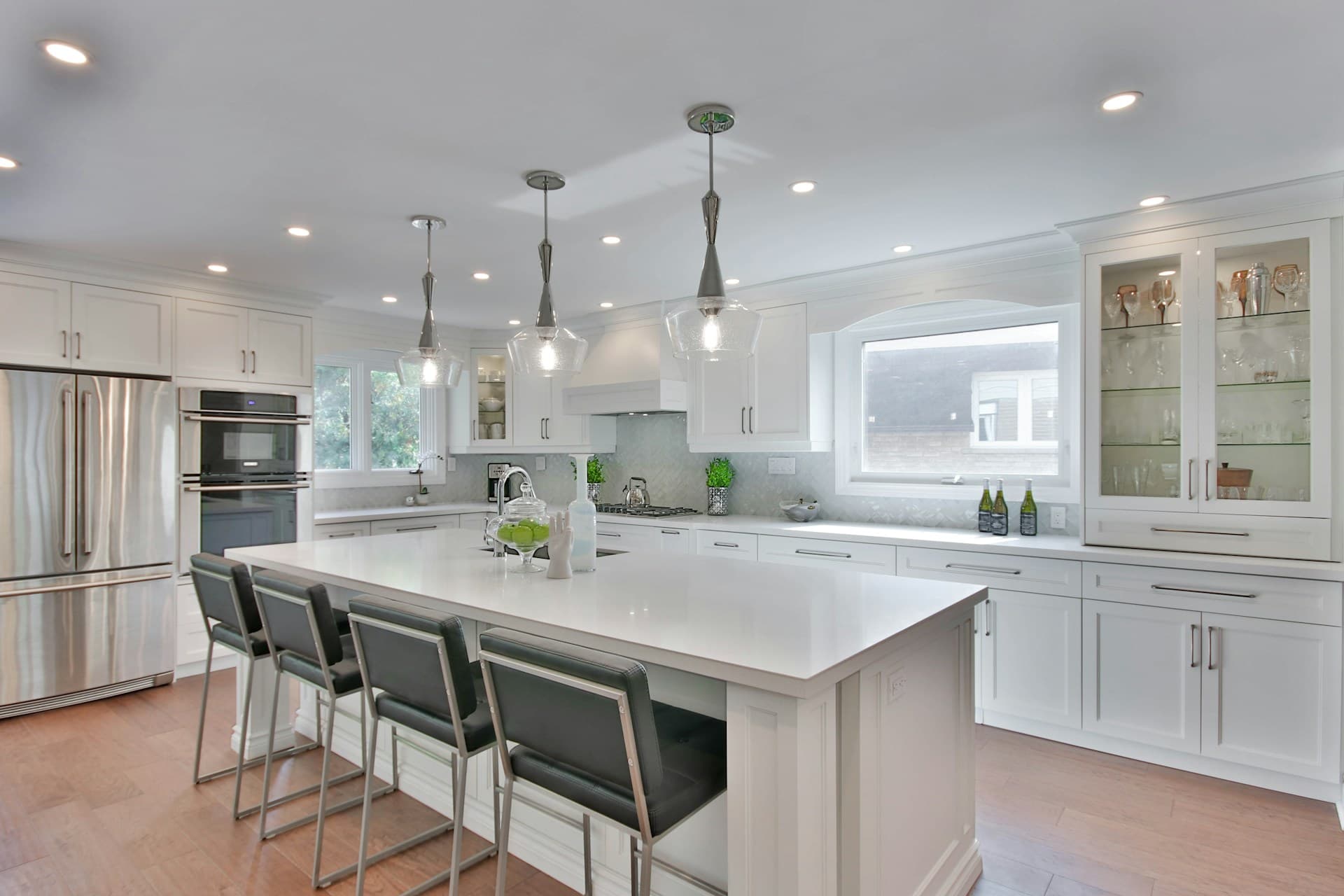
Seamless Appliance Integration: The Art and Science of Concealed Kitchens
By Total Care Kitchens Tue Mar 03 20268 minutes
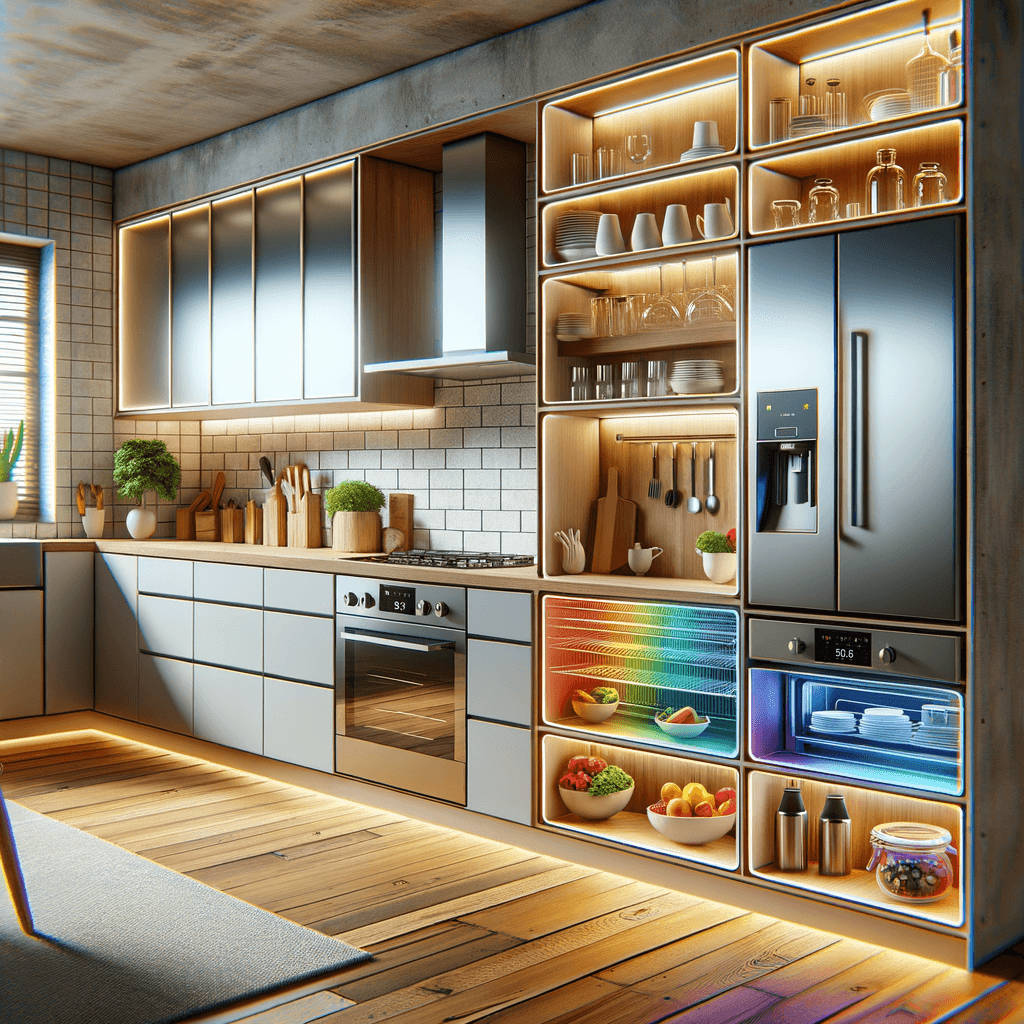
The Rise of Seamless Appliance Integration in Modern Kitchens
Homeowners increasingly desire kitchens that combine functionality with visual serenity. Seamless appliance integration, which involves concealing or camouflaging appliances within cabinetry and counters, has become a hallmark of contemporary kitchen renovations. This approach not only enhances aesthetics but also optimizes workflow and reduces visual clutter, meeting the needs of those who value both utility and style.“A kitchen that hides its tools is a kitchen that elevates its craft.”
Popular Layouts for Integrated Kitchens: Which Works Best?
The choice of kitchen layout profoundly affects how appliances can be integrated. Certain configurations offer more opportunities for concealment and ergonomic placement, making daily routines smoother and more enjoyable.- Galley kitchens: Efficient linear design enables easy appliance concealment within continuous cabinetry runs.
- L-shaped layouts: Allow for corner appliance integration and uninterrupted countertop surfaces.
- Open concept kitchens: Benefit from island-based appliance housing and streamlined storage solutions.
Cabinetry Innovations: Custom Panels, Pocket Doors, and Beyond
Custom cabinetry is the backbone of successful appliance integration. Modern innovations allow refrigerators, dishwashers, and even ovens to vanish behind panels that match surrounding cabinets. Pocket doors and lift-up mechanisms add flexibility, enabling appliances to be revealed only when needed.- Custom panel-ready appliances: Blends seamlessly with cabinetry for a unified look.
- Pocket and retractable doors: Hide small appliances like microwaves or coffee stations.
- Pull-out columns: Store and conceal compact appliances or pantry items within narrow spaces.
Countertop Choices for Integrated Kitchens: Comparing Surface Materials
Countertop selection is crucial for both aesthetics and appliance compatibility. Some materials lend themselves better to flush-mount installations and concealed features, supporting the seamless look that defines integrated kitchens.| Material | Pros | Cons |
| Quartz | Non-porous, uniform appearance, durable | Can be pricier than alternatives |
| Granite | Natural variation, heat resistant | Requires sealing, less uniform |
| Butcher Block | Warm, organic feel, easy to refinish | Susceptible to scratches, needs maintenance |
| Concrete | Customizable, industrial appeal | Prone to cracking, needs sealing |
Smart Appliances: Blending Technology and Discretion
Today’s smart appliances offer Wi-Fi connectivity, touch controls, and voice activation, all while maintaining a low profile. Integrating these technologies without sacrificing the kitchen’s clean lines is now easier than ever.- Wi-Fi enabled ovens and fridges with hidden control panels.
- Induction cooktops that disappear into countertops when not in use.
- Drawer-style dishwashers and refrigerators for subtle integration.
“Technology should serve the cook, not dominate the kitchen.”
Lighting Design: Illuminating Without Distraction
Thoughtful lighting is essential for both task efficiency and ambiance. In integrated kitchens, lighting should highlight work areas without drawing attention to concealed appliances.“The best kitchen lighting guides the eye, not the hand.”
Eco-Friendly and Sustainable Integration Options
Sustainability is a growing priority in kitchen renovation. Choosing energy-efficient appliances and sustainably sourced cabinetry materials ensures your integrated kitchen is as responsible as it is beautiful.- Opt for Energy Star-rated integrated appliances to reduce power consumption.
- Choose FSC-certified wood or recycled materials for cabinetry.
- Install LED task lighting for energy savings and longevity.
Budgeting and Timeline Strategies for Appliance Integration
Proper planning is essential for a successful renovation. Integrated kitchens often require custom work and careful scheduling, so budgeting and timeline management are critical to avoid delays and cost overruns.| Step | Typical Timeline |
| Design & Planning | 2-4 weeks |
| Ordering Appliances & Materials | 2-6 weeks |
| Cabinetry Fabrication | 4-8 weeks |
| Installation & Finishing | 2-4 weeks |
Mistakes to Avoid When Integrating Appliances
Avoiding common pitfalls will help ensure your integrated kitchen delivers both beauty and performance. Overlooking appliance ventilation, skimping on custom cabinetry, or mismatching finishes can undermine the seamless effect.- Failing to measure appliance dimensions precisely.
- Ignoring ventilation and clearance requirements.
- Choosing incompatible panel materials or finishes.