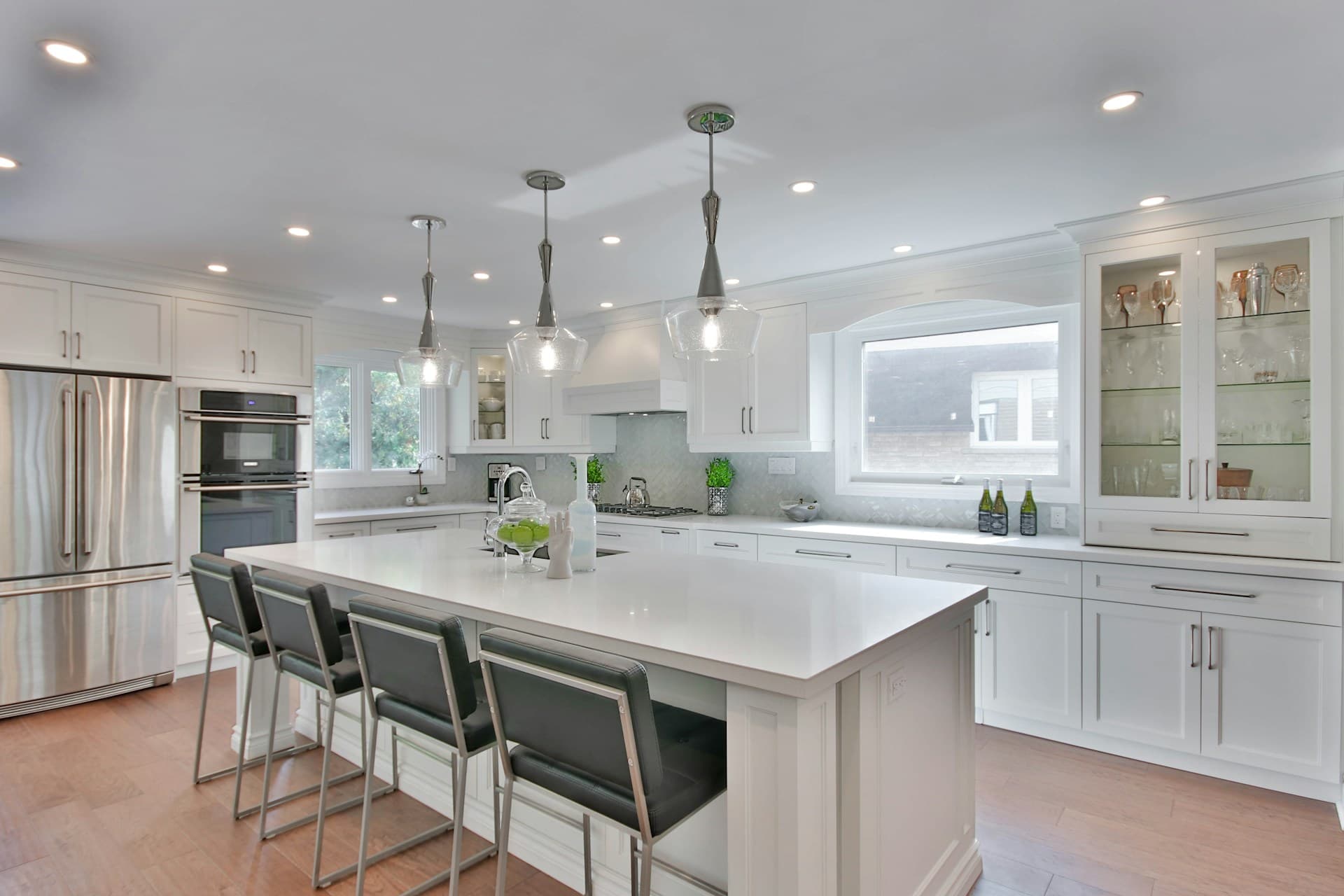
Seamless Kitchen Appliance Integration: Elevating Function and Flow in Modern Renovations
By Total Care Kitchens Sun Mar 22 20267 minutes
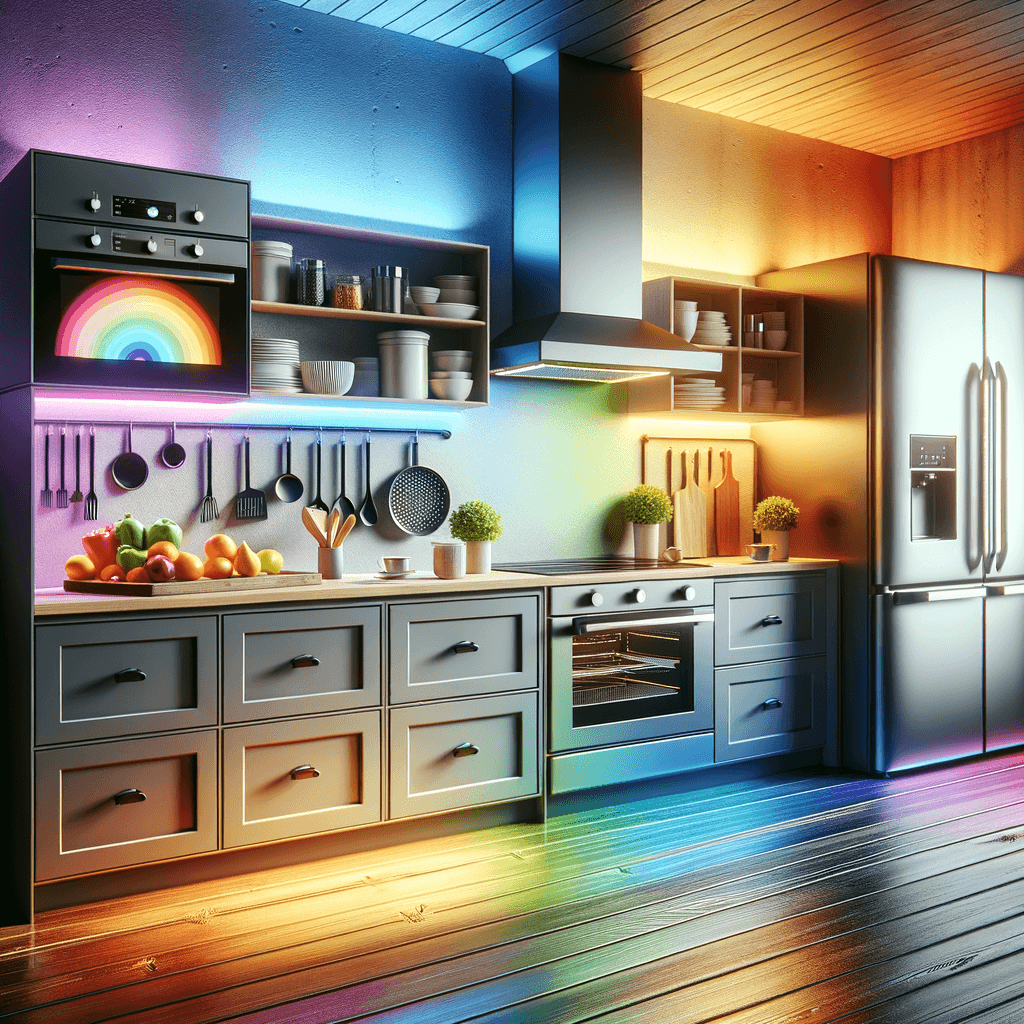
The Power of Appliance Integration in Kitchen Renovations
Appliance integration is redefining the modern kitchen, merging cutting-edge technology with refined aesthetics. For homeowners embarking on a renovation, blending appliances seamlessly into cabinetry and counters offers both visual harmony and improved workflow. This approach addresses the common pain point of visual clutter and maximizes every inch of valuable kitchen space.“A truly integrated kitchen is where design and technology converge, creating a space that’s as beautiful as it is functional.”
Types of Integrated Kitchen Appliances
Understanding the available options is essential for creating a unified kitchen environment. From refrigerators that disappear behind custom panels to flush-mounted ovens and concealed dishwashers, integration possibilities are vast and continually evolving.- Panel-ready refrigerators and freezers
- Fully integrated dishwashers with hidden controls
- Built-in ovens and microwaves with seamless trims
- Induction cooktops that sit flush with countertops
- Drawer-style appliances (refrigeration, microwaves, dishwashers)
- Hidden range hoods integrated into cabinetry
Strategic Layouts for Appliance Integration
The layout of your kitchen dictates how well appliances blend with cabinetry and countertops. Choosing between galley, L-shape, or open-concept designs impacts appliance placement, accessibility, and workflow. Prioritizing the kitchen work triangle—sink, cooktop, refrigerator—remains crucial, but modern designs often embrace more fluid zones for prepping, cooking, and entertaining.| Layout Type | Integration Benefit |
| Galley | Streamlined appliance alignment for efficiency |
| L-Shape | Corner placement for discreet appliance storage |
| Open Concept | Island integration for social cooking and hidden appliances |
Cabinetry Innovations: Concealing Technology
Custom cabinetry plays a pivotal role in appliance integration. Today’s innovations include motorized panels, pocket doors, and touch-latch systems, all designed to hide appliances when not in use. This creates a minimalist, clutter-free kitchen that appeals to both traditionalists and modernists alike.“Cabinetry should act as the canvas, allowing appliances to become functional art within the kitchen.”
Countertop Choices and Appliance Compatibility
Selecting the right countertop is about more than aesthetics. Materials like quartz and concrete offer durability and can be fabricated to accommodate flush-mounted cooktops or integrated sinks. Butcher block adds warmth and can be customized for appliance cutouts, while granite’s strength supports heavier built-ins. Compatibility ensures a seamless, uninterrupted work surface.| Countertop Material | Integration Advantage |
| Quartz | Precise fabrication for flush appliances |
| Granite | Supports heavy built-ins |
| Butcher Block | Custom cutouts for inserts |
| Concrete | Moldable for bespoke appliance integration |
Lighting Design for Integrated Kitchens
Thoughtful lighting elevates both the function and ambiance of an integrated kitchen. Layering ambient, task, and accent lighting ensures every appliance is both accessible and highlighted when needed. Innovations like toe-kick LEDs and interior cabinet lighting enhance usability and create subtle drama.- Recessed ceiling lights for general illumination
- Under-cabinet LEDs for task lighting
- Toe-kick lighting for nighttime navigation
- Integrated appliance lighting for visibility
Eco-Friendly Appliance Choices and Sustainable Integration
Sustainability is a growing priority in kitchen renovations. Choosing ENERGY STAR-certified appliances, water-saving dishwashers, and induction cooktops reduces your environmental impact. Integrating these with eco-friendly cabinetry and recycled countertops creates a kitchen that’s both green and gorgeous.“The future of kitchen design is sustainable, where energy efficiency and integration go hand in hand.”
Smart Kitchen Integration: The Connected Culinary Space
Smart appliances are transforming kitchens into intuitive, responsive environments. Wi-Fi-enabled ovens, voice-controlled dishwashers, and app-connected refrigerators can all be integrated behind sleek panels. Planning for smart technology from the outset ensures wiring, controls, and updates remain hidden, preserving the kitchen’s clean lines.Budgeting for Integrated Appliances: Investment vs. Value
Integrated appliances often require a higher upfront investment due to custom cabinetry and installation complexity. However, the long-term value—both in daily enjoyment and property resale—can outweigh initial costs. Strategic planning and prioritizing high-impact appliances help balance budget and ambition.- Set a realistic budget with a 10-15% buffer for unforeseen costs
- Prioritize appliances that impact daily workflow
- Explore financing options or phased upgrades
- Compare integrated vs. freestanding appliance prices
Common Mistakes to Avoid with Appliance Integration
Even the most well-intentioned renovations can falter without careful planning. Overlooking appliance dimensions, ventilation requirements, or future-proofing can result in costly setbacks. Collaborating with experienced designers and appliance specialists helps sidestep these pitfalls.- Ignoring appliance clearances and ventilation needs
- Choosing incompatible cabinetry materials
- Over-customizing, limiting future appliance upgrades
- Neglecting electrical and plumbing requirements