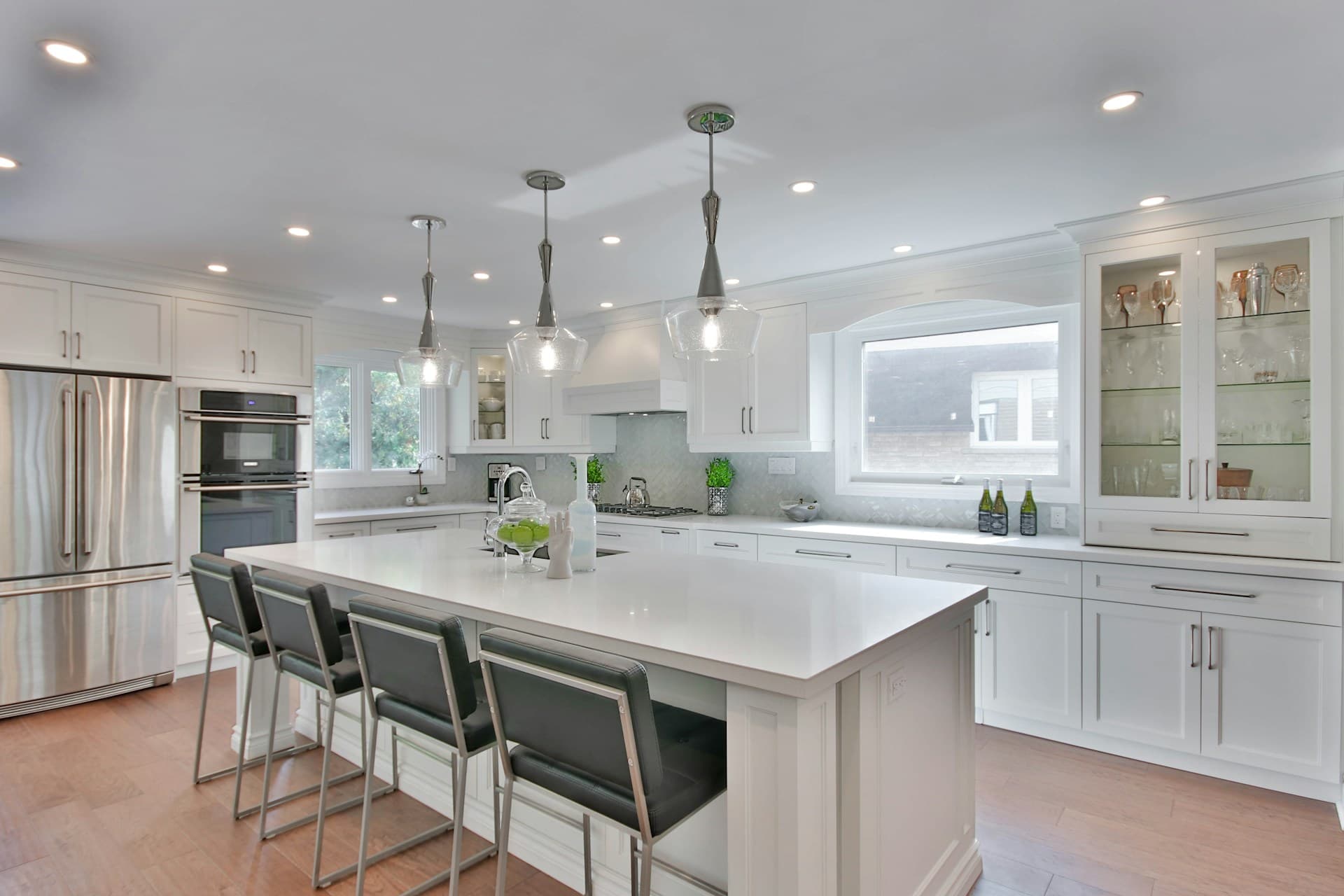
Seamless Kitchen Appliance Integration: Modern Solutions for a Cohesive Renovation
By Total Care Kitchens Wed Feb 04 20267 minutes
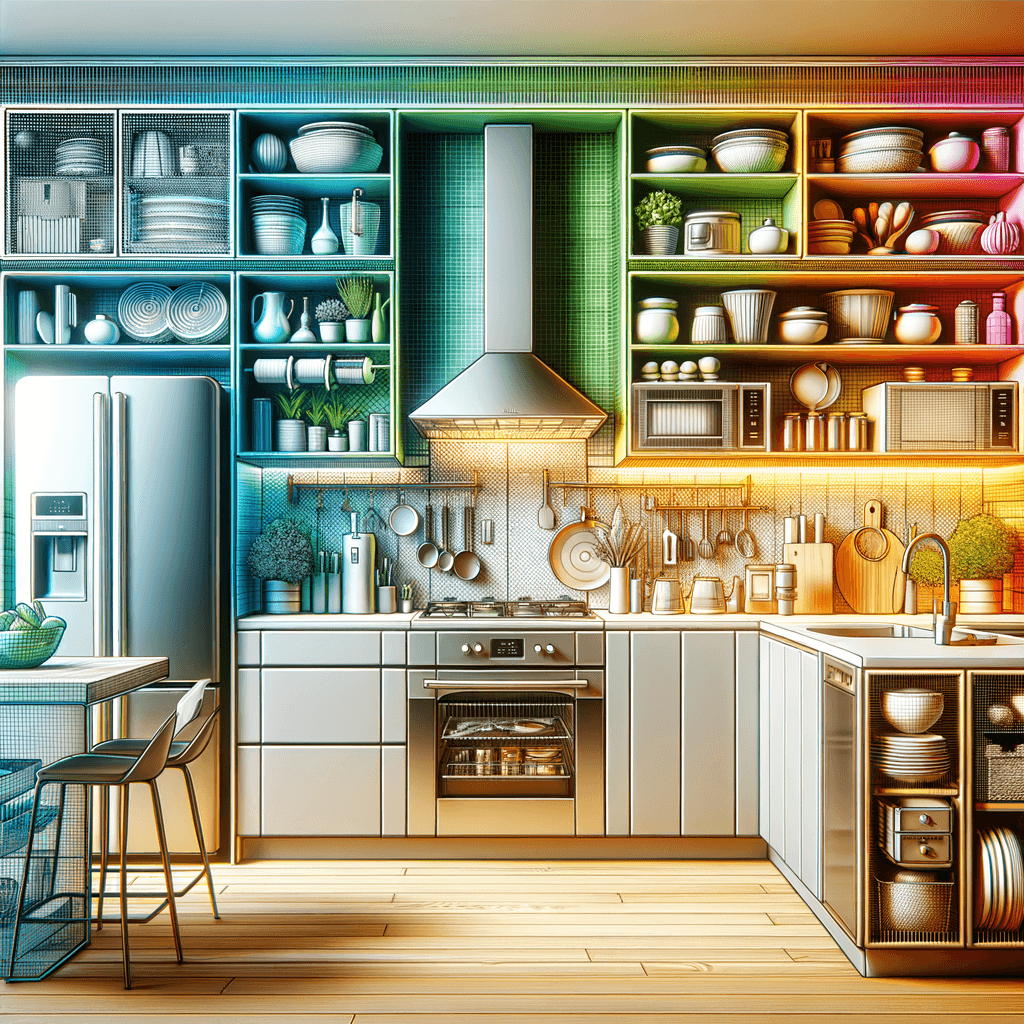
Why Appliance Integration Matters in Modern Kitchens
Today’s kitchen is more than a place to cook—it’s a social hub, a design statement, and a technological showcase. Seamlessly integrating appliances into your kitchen renovation is essential for achieving both visual harmony and peak functionality. As homeowners aspire for uncluttered lines and efficient workflows, hidden and built-in appliances are gaining traction over traditional freestanding models.“A truly integrated kitchen is one where appliances and cabinetry are indistinguishable, creating a fluid and inviting environment.”
Types of Appliance Integration: Built-In, Panel-Ready, and Concealed Options
Understanding the spectrum of integration options is crucial for a successful remodel. From built-in ovens to panel-ready refrigerators, the market offers a range of solutions that blend appliances into your cabinetry or even hide them completely from view.- Built-in appliances: Installed flush with cabinetry for a streamlined look.
- Panel-ready appliances: Feature customizable fronts to match cabinet doors.
- Fully concealed appliances: Hidden behind cabinetry panels, only visible when in use.
- Drawer-style appliances: Dishwashers, microwaves, or refrigerators disguised as drawers.
Selecting Appliances: Functionality Meets Aesthetics
Choosing the right appliances involves more than just style—it’s about balancing your culinary needs, energy efficiency, and future-proofing your kitchen. Consider how appliance finishes, handle styles, and control placements impact both usability and the overall design narrative.Installation Considerations: Planning for a Flawless Fit
Proper appliance integration demands meticulous planning and coordination between designers, contractors, and appliance specialists. Factoring in ventilation, electrical, plumbing, and access clearances ensures your appliances perform optimally and safely within your custom cabinetry.- Confirm appliance dimensions and installation requirements before cabinetry is ordered.
- Plan for adequate ventilation, especially for built-in ovens and refrigerators.
- Ensure electrical and plumbing hookups are positioned for easy access and maintenance.
- Leave space for future upgrades—standardize cutouts where possible.
Smart Appliance Integration: The Connected Kitchen
The rise of smart technology has transformed appliance integration, allowing for seamless control via mobile apps, voice assistants, and automation systems. Smart ovens, refrigerators, and dishwashers can now communicate with each other, optimizing energy use and enhancing user experience.“Integrating smart appliances is not just about convenience—it's about future-proofing your kitchen for evolving lifestyles.”
Cost and Budgeting: What to Expect
Integrated appliances often command a premium, but the investment pays off in resale value and daily satisfaction. Budgeting for integration involves accounting for custom cabinetry, specialized installation, and potential upgrades to electrical or plumbing systems.| Appliance Type | Standard Cost Range (USD) | Integration Cost Add-On |
| Built-in Oven | $1,500 - $4,000 | +$500 - $1,200 |
| Panel-Ready Refrigerator | $2,500 - $8,000 | +$1,000 - $2,500 |
| Integrated Dishwasher | $900 - $2,500 | +$400 - $800 |
Mistakes to Avoid with Appliance Integration
Overlooking appliance clearances, ventilation needs, or future access for maintenance can result in costly modifications. Avoid mismatched finishes, poorly aligned panels, and insufficient power sources to ensure a harmonious and functional result.- Ignoring manufacturer installation guidelines.
- Failing to coordinate appliance specs with cabinet design.
- Neglecting to plan for ventilation and heat dissipation.
- Choosing appliances without considering long-term repair or replacement access.