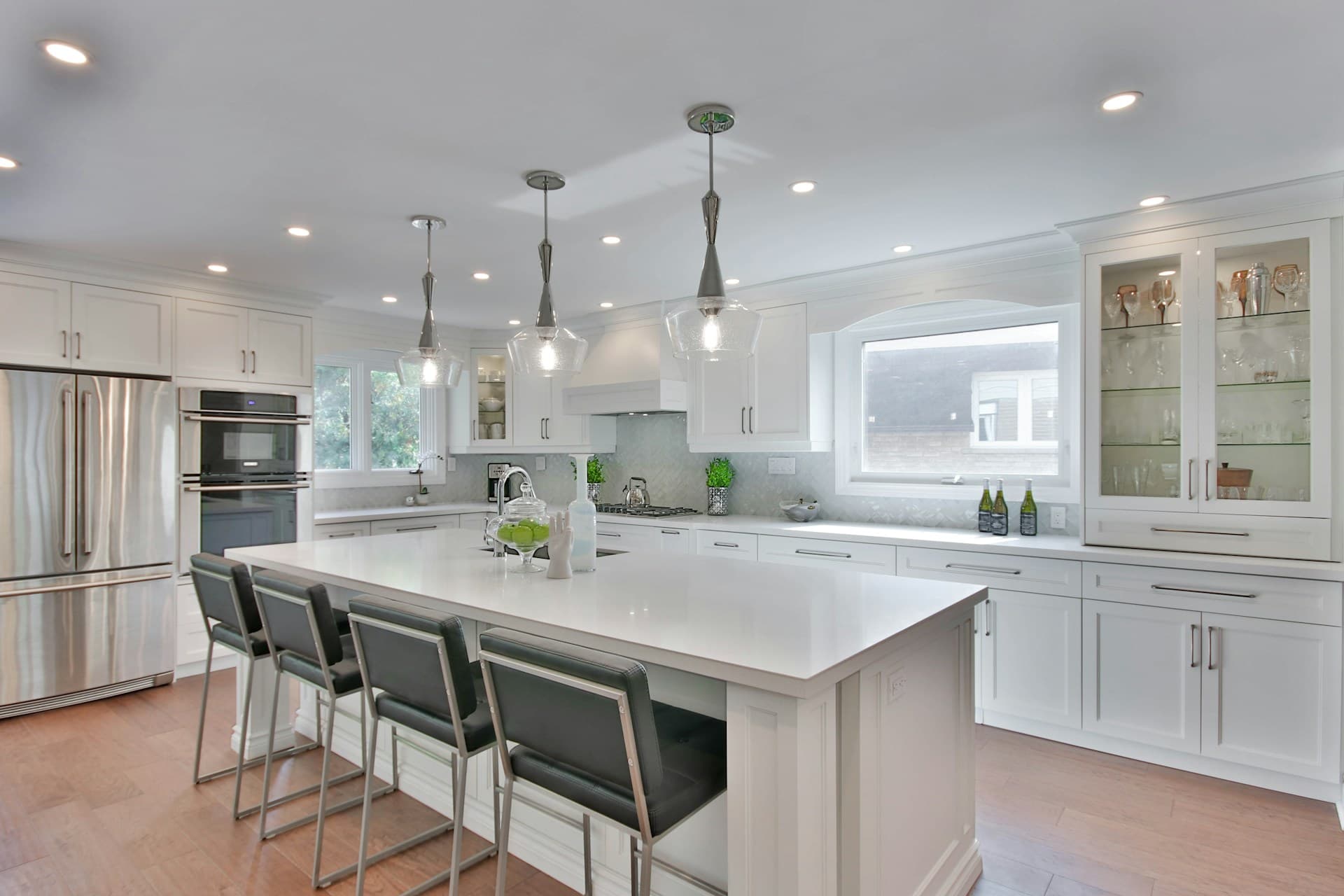
Seamless Kitchen Transitions: Designing the Perfect Flow Between Kitchen and Adjacent Spaces
By Total Care Kitchens Mon Feb 09 20268 minutes
Why Seamless Kitchen Transitions Matter
Modern homes increasingly favor open layouts, making the transition between kitchen and adjacent spaces—such as dining rooms or living areas—a key consideration in kitchen renovation. A thoughtfully designed flow not only enhances aesthetics but also improves functionality, social connectivity, and the perceived spaciousness of your home.“A well-planned transition between your kitchen and surrounding spaces elevates both daily living and entertaining, creating a home that feels unified and welcoming.”
Layout Designs That Foster Connection and Flow
Selecting the right kitchen layout is essential to ensuring a smooth transition between zones. Each configuration offers unique benefits for flow and interaction with adjacent spaces.- Galley Kitchens: Ideal for narrow spaces, galley layouts can open at both ends to connect with living or dining areas, promoting circulation.
- L-Shape Kitchens: The L-shape naturally frames one or more open sides, perfect for integrating islands or breakfast nooks that bridge kitchen and social spaces.
- Open Concept Designs: Removing barriers between kitchen and living spaces encourages interaction, light diffusion, and versatile furniture arrangements.
Cabinetry and Storage Innovations for Transitional Zones
Blending kitchen cabinetry with adjacent areas can create a harmonious, custom look. Consider extending cabinetry styles, finishes, or hardware into nearby dining or living zones for visual continuity.- Pass-Through Cabinets: Incorporate glass-front or double-sided cabinets between kitchen and dining areas for storage and display.
- Integrated Buffets: Extend lower cabinetry or add a built-in buffet to bridge kitchen and dining spaces.
- Hidden Storage: Use toe-kick drawers or concealed pull-outs in transition areas for clutter-free living.
Countertop Choices: Crafting Cohesion Across Spaces
Countertop materials can help unify the kitchen with adjacent rooms. Select surfaces that complement both kitchen cabinetry and the design language of surrounding areas for a seamless look.| Material | Durability | Maintenance | Best For Transitional Spaces |
| Quartz | High | Low | Consistent colors; modern look |
| Butcher Block | Medium | Moderate | Warmth; natural transitions |
| Concrete | High | Moderate | Industrial/loft aesthetics |
| Granite | High | Moderate | Distinctive veining; bold statements |
Appliance Integration for a Streamlined Look
Visible appliances can disrupt the visual flow between kitchen and living zones. Integrated or panel-ready appliances ensure a cohesive appearance, allowing the kitchen to blend effortlessly with adjacent spaces.- Panel-Ready Refrigerators: Match cabinetry for a seamless look.
- Concealed Dishwashers: Reduce visual clutter with integrated panels.
- Under-Counter Appliances: Maintain open sightlines and accessibility.
Lighting Design: Bridging Spaces with Illumination
Strategic lighting choices not only enhance kitchen tasks but also connect the kitchen with surrounding areas. Layered lighting—ambient, task, and accent—creates a dynamic, inviting atmosphere that transitions naturally between spaces.- Pendant Lighting: Use similar fixtures above kitchen islands and dining tables for cohesion.
- Cove Lighting: Soften transitions and highlight architectural details.
- Dimmers: Adjust light levels to suit various activities across zones.
Eco-Friendly Upgrades for Connected Living
Sustainable choices can benefit both kitchen and adjacent spaces. From energy-efficient lighting to reclaimed materials, eco-friendly upgrades enhance comfort and reduce environmental impact.- LED Lighting: Lower energy consumption throughout open-plan areas.
- VOC-Free Paints: Improve indoor air quality in interconnected spaces.
- Reclaimed Wood: Use for flooring or accents to add warmth and sustainability.
Smart Kitchens: Integrating Technology Across Zones
Smart home technology can be extended beyond the kitchen for a truly connected living experience. Devices that control lighting, climate, and appliances across multiple zones offer both convenience and efficiency.“Technology should simplify transitions, making your kitchen and living spaces work in harmony—effortlessly adapting to your lifestyle.”
Budgeting Strategies for Seamless Transitions
Allocating your renovation budget wisely ensures you achieve both functionality and flow. Prioritize investments that have the greatest impact on daily living and the overall feel of your home.- Focus on structural changes (like removing walls) early in the process.
- Invest in quality finishes for shared surfaces and cabinetry.
- Balance splurges (such as statement lighting) with budget-friendly flooring or paint.
Renovation Timelines: Coordinating Multiple Spaces
Renovating connected spaces requires careful scheduling. Plan for potential disruptions, especially when work spans kitchen and living areas. Coordinate deliveries and installations to minimize downtime and maintain access to essential zones.Common Mistakes to Avoid When Merging Spaces
Overlooking the transition between kitchen and adjacent areas can lead to jarring visual breaks or functional inefficiencies. Avoid these common pitfalls for a cohesive result.- Inconsistent Flooring: Disjointed materials disrupt flow.
- Mismatched Cabinetry: Clashing styles break visual harmony.
- Neglecting Acoustics: Open plans can amplify noise without proper sound management.