Smart Kitchen Technology: Integrating the Future into Your Kitchen Renovation
By Total Care Kitchens Thu Nov 27 20258 minutes
Why Smart Technology is Reshaping Kitchen Renovations
Homeowners increasingly crave kitchens that blend convenience, efficiency, and cutting-edge design. Smart kitchen technology answers this demand, offering intuitive solutions that streamline daily routines, reduce energy consumption, and elevate the culinary experience. The integration of connected devices, automation, and voice control is no longer a futuristic concept—it's a practical way to future-proof your kitchen and add tangible value to your home.“A thoughtfully integrated smart kitchen transforms not just how you cook, but how you live.”
Key Components of a Smart Kitchen Ecosystem
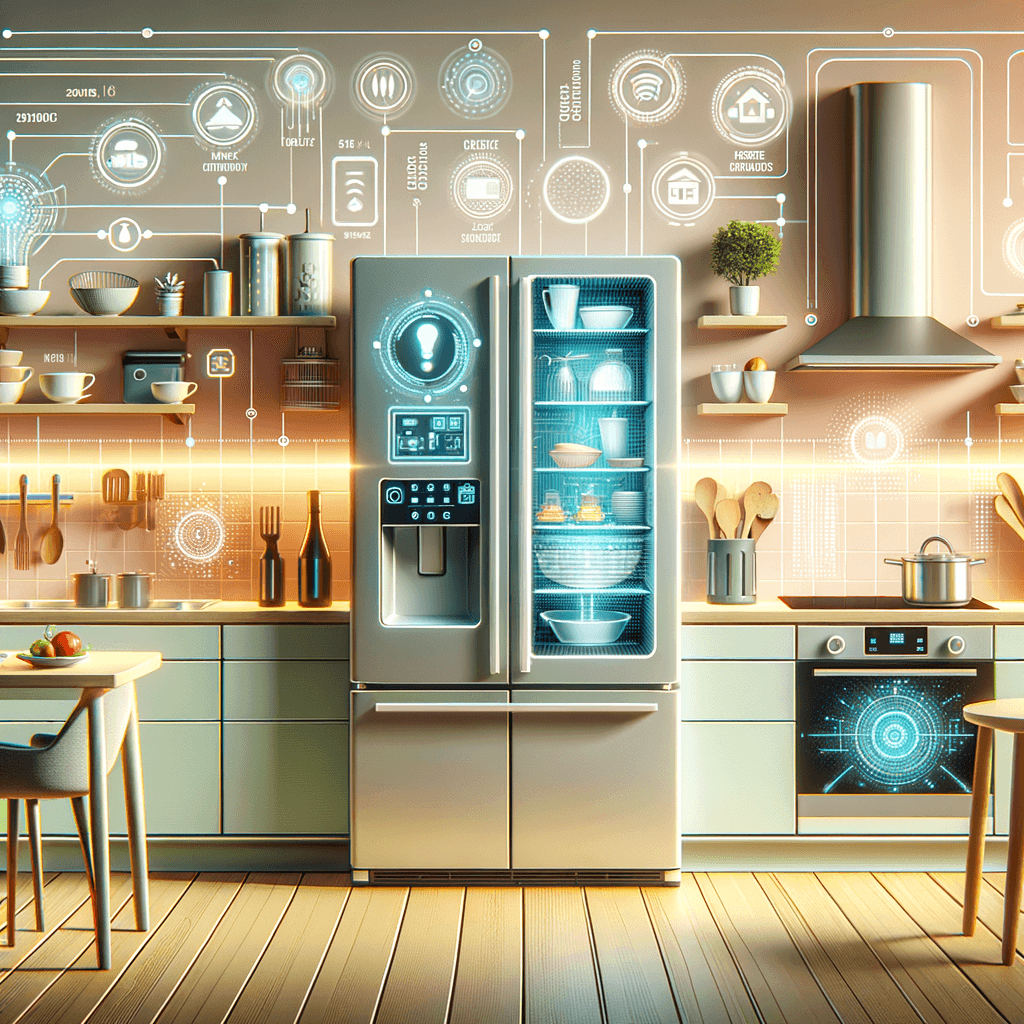
- Wi-Fi enabled refrigerators that monitor inventory and suggest recipes
- Touchless faucets for improved hygiene and water conservation
- Smart ovens with remote preheating and cooking notifications
- Voice-activated lighting and appliance control
- Integrated charging stations for devices and wearables
- Automated coffee makers and beverage systems
Choosing the Right Connected Appliances: What Matters Most?
Selecting smart appliances involves more than picking the latest gadgets. Consider compatibility with your home automation system, energy efficiency ratings, ease of use, and software update support. Look for appliances that offer seamless integration and robust security features to protect your data and privacy.| Appliance Type | Smart Features | Potential Benefits |
| Refrigerator | Inventory tracking, touchscreen, cameras | Reduces food waste, streamlines grocery shopping |
| Oven | Remote control, recipe guidance | Precision cooking, time savings |
| Dishwasher | Cycle notifications, leak detection | Water savings, maintenance alerts |
| Cooktop | Temperature sensors, safety shut-off | Enhanced safety, energy efficiency |
Designing for Seamless Technology Integration
A harmonious smart kitchen is about more than just gadgets—it's about intentional design. Plan for dedicated zones for charging and device storage, conceal wiring with custom cabinetry, and ensure robust Wi-Fi coverage. Collaborate with your designer or contractor early to avoid retrofitting headaches and to create a visually cohesive, high-functioning space.“Integrating technology into your kitchen design should feel invisible—functionality without visual clutter.”
Eco-Friendly Upgrades: Smart Solutions for Sustainability
Smart technology can significantly reduce your kitchen’s environmental footprint. From energy-efficient appliances that optimize consumption to water-saving fixtures and real-time usage monitoring, today’s smart kitchens champion both convenience and conservation.- Smart thermostats and sensors to optimize appliance use
- LED smart lighting systems with occupancy sensors
- Automated faucets to minimize water waste
- Appliance scheduling for off-peak energy use
Budgeting for a Smart Kitchen: Investment or Indulgence?
While smart kitchen upgrades can require a higher initial investment, the long-term savings and increased property value often justify the cost. Prioritize features that align with your lifestyle and cooking habits. Consider starting with scalable solutions that allow for future expansion as technology evolves.Common Pitfalls and How to Avoid Them
Many renovators overlook the importance of future-proofing or underestimate the complexity of integrating multiple devices. Avoid fragmented ecosystems by choosing interoperable platforms and consulting with technology specialists early in your project. Plan for ongoing maintenance and software updates to keep your kitchen running smoothly.- Neglecting Wi-Fi infrastructure for device connectivity
- Mixing incompatible brands or platforms
- Overcomplicating with unnecessary features
- Ignoring cybersecurity measures