Sustainable Flooring Options for Modern Kitchen Renovations
By Total Care Kitchens Wed Jan 14 20267 minutes
Why Sustainable Flooring Matters in Kitchen Renovations
Homeowners are increasingly seeking eco-friendly solutions for their kitchen remodels, and flooring is a foundational choice with significant environmental impact. Sustainable kitchen flooring not only reduces your carbon footprint but also enhances indoor air quality and supports healthier living spaces. Investing in green materials aligns with the aspirations of modern renovators to balance style, durability, and responsibility.“The floor is the canvas of your kitchen—choose materials that tell a story of sustainability and resilience.”
Top Sustainable Kitchen Flooring Materials
- Bamboo: Rapidly renewable, moisture-resistant, and available in various grains and hues.
- Cork: Harvested from cork oak bark without harming the tree, naturally antimicrobial and cushioned underfoot.
- Reclaimed Wood: Salvaged from old structures, rich in character and patina, reduces demand for new lumber.
- Recycled Tile: Made from post-consumer glass or ceramics, highly customizable in color and pattern.
- Linoleum: Composed of linseed oil, wood flour, and jute, biodegradable and time-tested for kitchens.
Comparing Durability and Maintenance Requirements
Durability is paramount in kitchens due to heavy foot traffic, spills, and dropped utensils. Each sustainable flooring option offers unique advantages and care requirements. Understanding these distinctions helps you select a surface that stands up to daily life while minimizing upkeep demands.| Material | Durability | Maintenance | Water Resistance |
| Bamboo | High | Sweep, damp mop | Moderate |
| Cork | Medium | Vacuum, mild cleaner | Low to Moderate |
| Reclaimed Wood | Medium | Sweep, refinish as needed | Low |
| Recycled Tile | Very High | Mop, periodic sealing | High |
| Linoleum | High | Sweep, damp mop | Moderate |
Design Inspiration: Blending Sustainability with Style
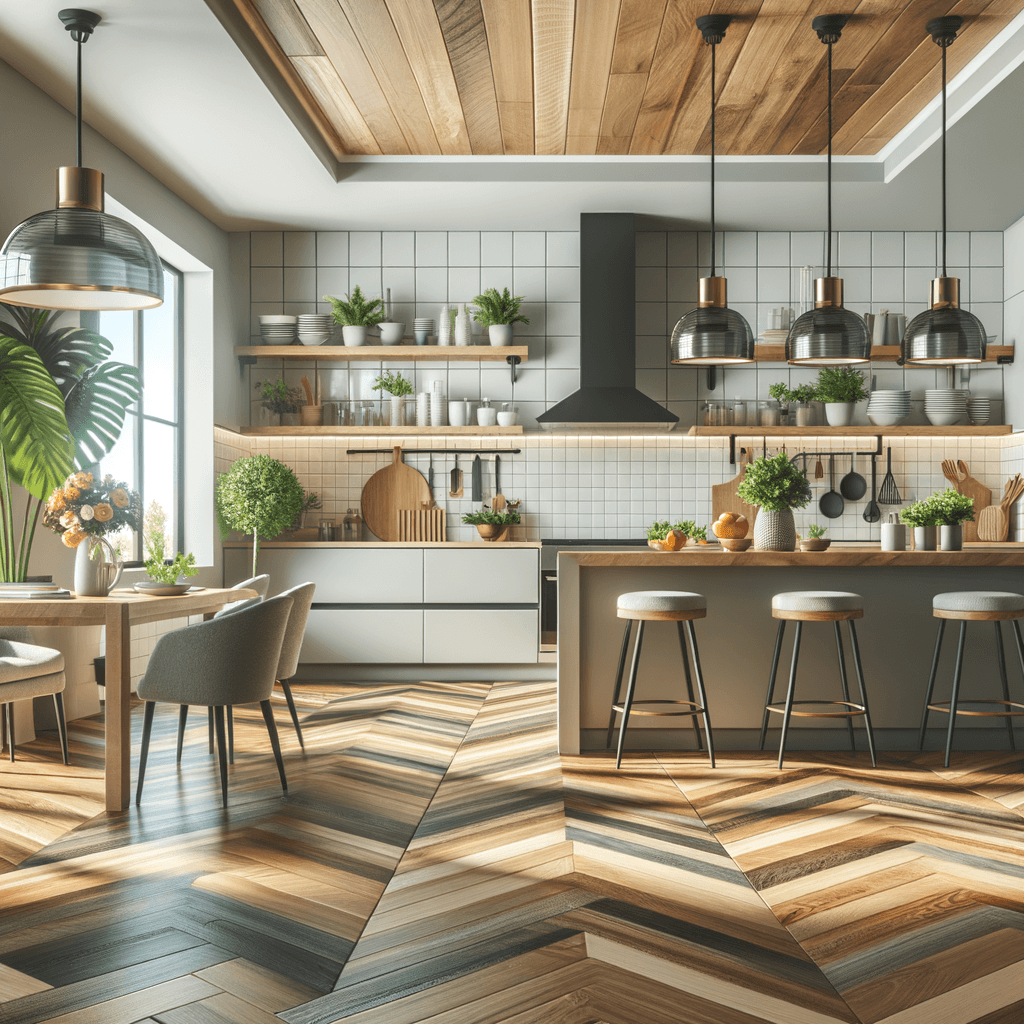
Sustainable flooring materials are available in a spectrum of textures, colors, and finishes, allowing you to create a kitchen that reflects your personal aesthetic. Whether you favor a rustic farmhouse look with reclaimed wood or a sleek, modern vibe with recycled glass tiles, eco-friendly options don’t mean sacrificing design. Consider mixing materials for visual interest or using bold patterns to make your floor a statement piece.Budgeting for Green Kitchen Flooring
While some sustainable materials carry a higher upfront cost, they often deliver long-term value through durability and reduced maintenance. Factor in installation methods, underlayment needs, and potential savings from lower environmental impact when budgeting for your kitchen renovation. Many options qualify for green building incentives or tax credits, making eco-friendly choices more accessible than ever.“Investing in sustainable flooring is an investment in your home's future value and the planet's well-being.”
Mistakes to Avoid When Choosing Eco-Friendly Kitchen Floors
Selecting the wrong material or improper installation can compromise both sustainability and longevity. Avoid common pitfalls by thoroughly researching product certifications, considering your household’s lifestyle, and consulting experienced installers familiar with green materials.- Neglecting to verify third-party certifications such as FSC, GreenGuard, or FloorScore.
- Overlooking moisture levels in kitchens, which can damage certain eco-friendly materials.
- Choosing style over substance—prioritize function and durability alongside aesthetics.
- Failing to plan for long-term care, refinishing, or repair needs.