The Art and Science of Kitchen Lighting Design: Layering, Fixtures, and Ambiance
By Total Care Kitchens Thu Mar 12 20267 minutes
Why Lighting is the Unsung Hero of Kitchen Renovation
Lighting is often overshadowed by cabinets and countertops in kitchen remodels, yet it profoundly influences both functionality and atmosphere. The right lighting scheme elevates culinary tasks, enhances safety, and brings your design vision to life. Many homeowners underestimate how layered lighting can solve issues like dark corners, glare, or a lack of visual interest.“Thoughtful lighting transforms a kitchen from a utilitarian workspace into the heart of the home.”
The Three Layers of Kitchen Lighting Explained
A well-designed kitchen incorporates three essential lighting layers: ambient, task, and accent. Each serves a distinct purpose, and their synergy creates a balanced, inviting environment.- Ambient Lighting: Provides overall illumination, usually from ceiling-mounted fixtures or recessed lights.
- Task Lighting: Focuses on work zones such as countertops, islands, and sinks, often using pendant lights or LED strips.
- Accent Lighting: Highlights architectural features, artwork, or open shelving, adding depth and personality.
Choosing Fixtures: Beyond the Basics
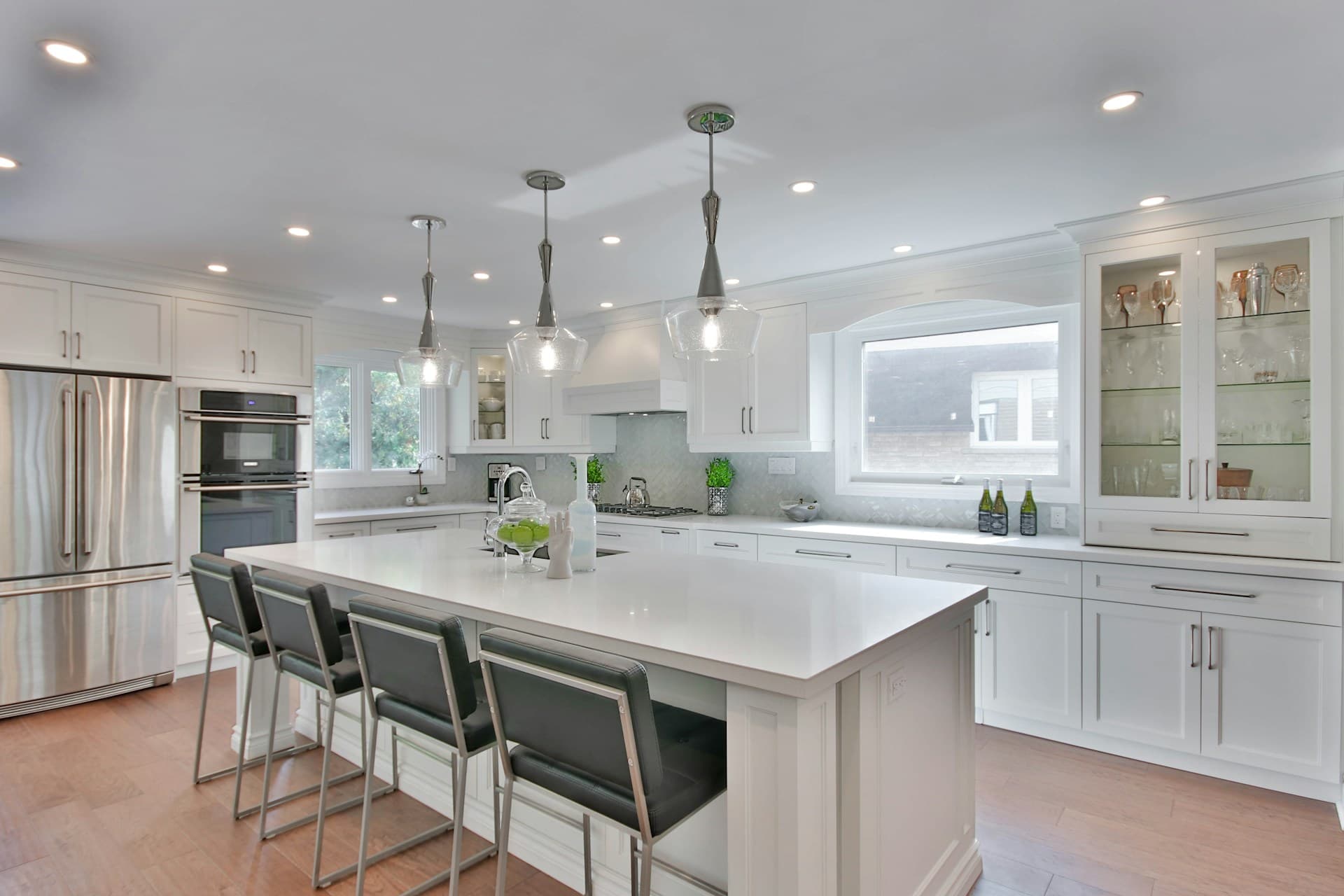
Selecting the right fixtures requires consideration of both aesthetics and utility. Modern kitchens benefit from a mix of statement pendants, sleek recessed downlights, and under-cabinet LEDs. Materials like brushed brass, matte black, or smoked glass can set the tone for your space.- Pendants over islands or dining nooks
- Linear suspensions for elongated countertops
- Integrated LED strips for toe kicks and cabinetry
- Smart lighting systems with adjustable color temperature
“The fixture is not just a light source—it's a design element that can anchor the entire room.”
Lighting and Layout: Integrating Illumination with Kitchen Design
Your kitchen layout—be it galley, L-shape, or open concept—dictates lighting needs. Galley kitchens benefit from evenly spaced ceiling lights, while open concepts thrive with a combination of zones. Layering is crucial for eliminating shadows and enhancing workflow.| Layout Type | Recommended Lighting Approach |
| Galley | Linear recessed lights, task lighting over counters |
| L-Shape | Corner-focused accent lighting, pendants over peninsula |
| Open Concept | Multiple zones: ambient, task, and accent for each area |
Innovative Lighting Technologies for Modern Kitchens
Smart lighting and energy-efficient fixtures are revolutionizing kitchen renovations. Wi-Fi-enabled bulbs, motion sensors, and tunable LEDs allow for personalized control and reduced energy consumption. Integrating these technologies supports both sustainability and convenience.- Dimmable LED panels for mood control
- Voice-activated lighting for hands-free operation
- Daylight sensors to optimize natural light usage
- Energy Star-rated fixtures for lower utility bills
“Investing in advanced lighting technology is an investment in your kitchen’s long-term comfort and efficiency.”
Common Lighting Mistakes to Avoid in Kitchen Renovations
Even the most beautiful kitchen can be undermined by poor lighting choices. Avoid these pitfalls to ensure a harmonious and functional result.- Relying solely on overhead fixtures, creating harsh shadows
- Neglecting task lighting in prep and cooking areas
- Choosing style over substance—prioritizing aesthetics at the expense of adequate illumination
- Ignoring dimming capabilities for flexible ambiance
- Forgetting to layer lighting for depth and warmth
Lighting Trends and Aesthetics: Inspiration for Your Remodel
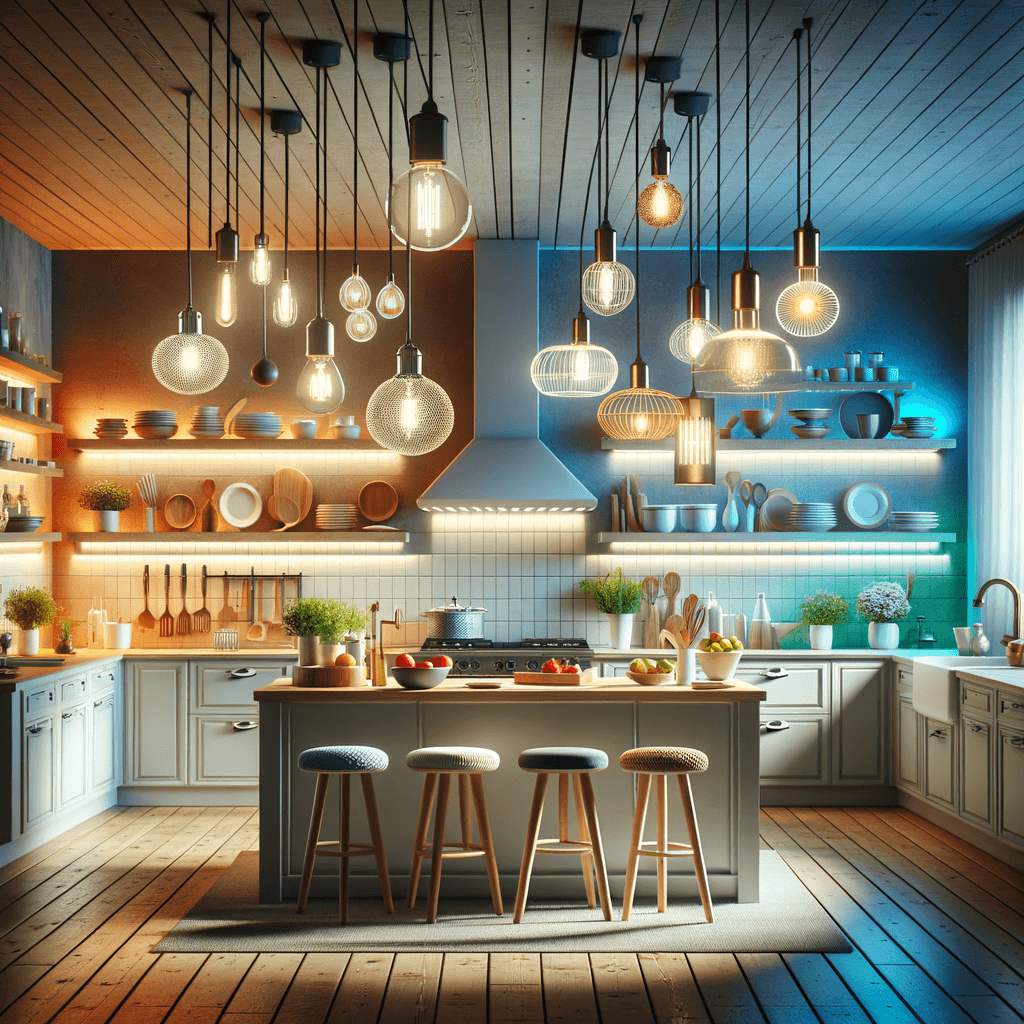
Contemporary kitchens are embracing bold fixtures, mixed metals, and sculptural shapes. Warm, diffused lighting is replacing stark white LEDs, while hidden lighting elements create a sense of intrigue. Consider how your lighting choices reflect your personality and enhance your kitchen’s style.“Lighting is the jewelry of the kitchen—subtle or statement, it completes the look.”
Balancing Functionality and Style in Kitchen Lighting
Striking the right balance between functional illumination and visual appeal is the key to a successful lighting plan. Evaluate your daily routines, desired ambiance, and design aspirations to craft a scheme that serves both practical and aesthetic needs.Budgeting and Planning: Setting Realistic Expectations
Lighting can account for a significant portion of your renovation budget, especially with custom fixtures or smart technology. Early planning ensures you allocate resources effectively, avoiding last-minute compromises that diminish the final result.- Prioritize high-impact zones (islands, prep areas) for premium fixtures
- Mix budget-friendly basics with one or two statement pieces
- Plan for future upgrades with flexible wiring and controls