The Art of Integrated Kitchen Seating: Banquettes, Breakfast Nooks, and Social Spaces
By Total Care Kitchens Tue Mar 24 20268 minutes
Why Integrated Kitchen Seating Matters
Modern kitchen renovations are increasingly about more than just cooking; they’re about creating a hub for connection, relaxation, and daily rituals. Integrated seating—banquettes, breakfast nooks, and built-in benches—transforms kitchens into inviting, multifunctional spaces. These solutions optimize square footage, encourage socializing, and deliver a custom, high-end aesthetic that freestanding furniture can’t match.“A well-designed kitchen seating area becomes the heart of the home, blending hospitality with everyday convenience.”
Banquettes vs. Breakfast Nooks: Defining the Options
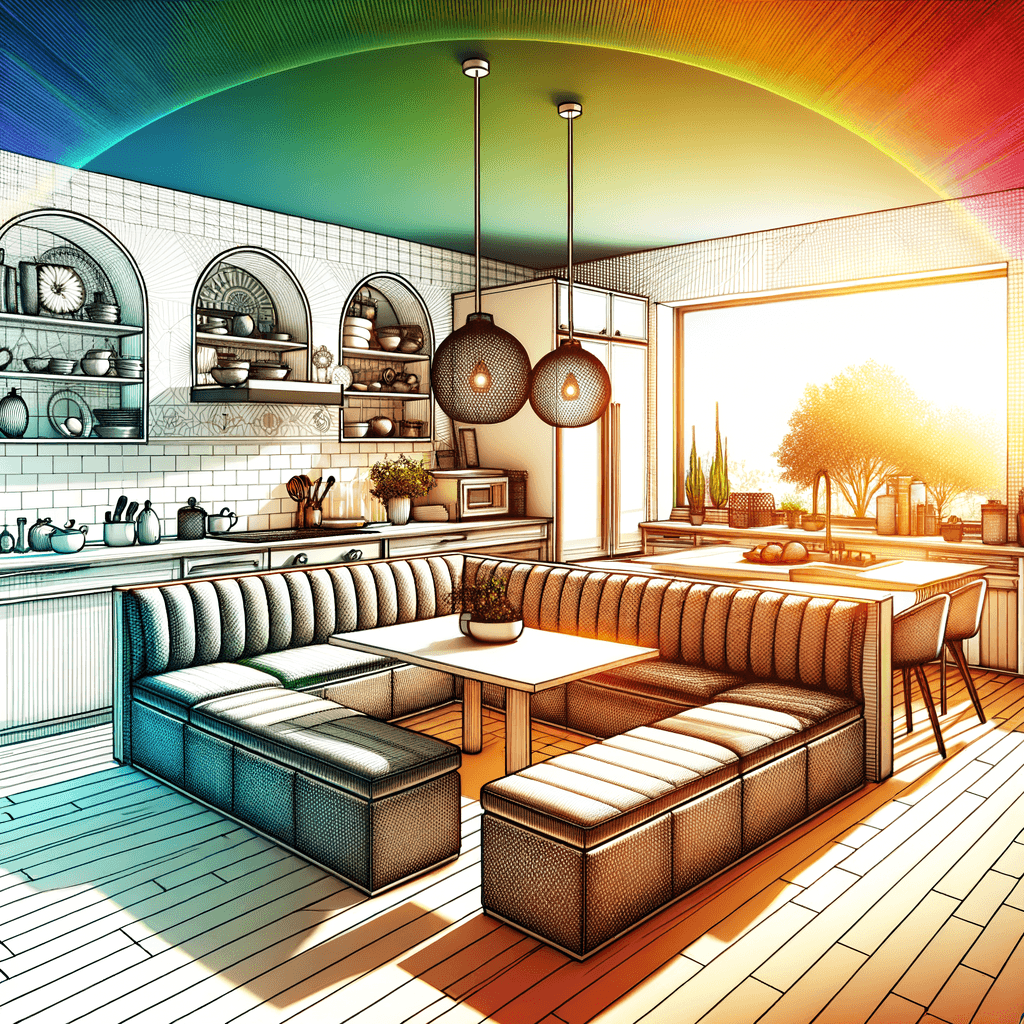
Choosing between a banquette and a breakfast nook depends on your kitchen’s footprint, your lifestyle, and your desired ambiance. Both provide cozy, space-efficient alternatives to traditional dining sets, but their design implications and installation requirements differ.- Banquettes: Upholstered or wooden benches built along one or more walls, often paired with a custom table for a seamless look.
- Breakfast Nooks: Intimate, often semi-enclosed spaces featuring built-in or freestanding benches, typically nestled into a corner or under a window.
- Built-in Benches: Flexible seating that can be incorporated along kitchen islands, peninsulas, or as standalone features.
Design Inspirations: Styles and Materials
Integrated seating is a canvas for creative expression. From mid-century modern to farmhouse rustic, the style, materials, and upholstery you choose set the tone for your kitchen’s personality. Consider how your seating will harmonize with cabinetry, countertops, and flooring for a cohesive result.| Style | Material Ideas | Visual Impact |
| Scandinavian Minimalist | White oak, linen cushions | Airy, calming, understated |
| Contemporary Luxe | Velvet upholstery, brass accents | Opulent, sophisticated |
| Industrial Urban | Steel frames, reclaimed wood | Edgy, textural |
| Classic Farmhouse | Shiplap, gingham fabrics | Warm, nostalgic |
Smart Storage Meets Social Seating
A major advantage of built-in kitchen seating is the potential for hidden storage. Lift-up seats, deep drawers, or side-access cabinets can house everything from linens to seldom-used appliances. This dual-purpose approach maximizes utility in both compact and expansive kitchens.- Under-bench drawers for pots, pans, or pantry staples
- Lift-up seats to stash seasonal decor or large cookware
- Side cubbies for cookbooks, tablets, or kids’ art supplies
“Integrating storage within kitchen seating is a game-changer for busy households craving both order and style.”
Lighting and Ambiance: Setting the Mood
Thoughtful lighting enhances the comfort and allure of your kitchen seating. Layered illumination—overhead pendants, wall sconces, and under-seat LEDs—creates zones for dining, reading, or entertaining. Don’t overlook the impact of natural light; positioning a nook near a window can flood the space with warmth and vitality.Ergonomics and Comfort: Details That Matter
To ensure your integrated seating is as comfortable as it is stylish, pay attention to seat depth, backrest angle, and cushion density. Durable, stain-resistant fabrics are essential for withstanding spills and daily use, while supportive foam or spring cushions provide lasting comfort.- Optimal seat depth: 18–20 inches for most adults
- Backrest angle: 100–110 degrees for relaxed support
- Cushion fill: High-resilience foam for durability
Mistakes to Avoid in Kitchen Seating Design
Even the most beautiful seating can fall short if key principles are overlooked. Avoid common pitfalls by prioritizing accessibility, proportion, and circulation. Poorly planned layouts can create bottlenecks or feel cramped, undermining the social intent of the space.- Ignoring clearance for chairs and walkways
- Choosing upholstery that’s hard to clean or prone to fading
- Overlooking the need for outlets or device charging nearby
Budgeting and Timeline: Planning for Success
Custom seating can be an investment, but smart planning keeps costs and timelines in check. Prefabricated banquettes offer savings, while bespoke solutions deliver tailored luxury. Factor in material lead times and professional installation to avoid delays and surprises.| Seating Type | Estimated Cost Range | Average Installation Time |
| Prefab Banquette | $800–$2,500 | 1–2 days |
| Custom Banquette | $2,500–$8,000+ | 1–2 weeks |
| Breakfast Nook Build-out | $1,500–$5,000 | 3–7 days |