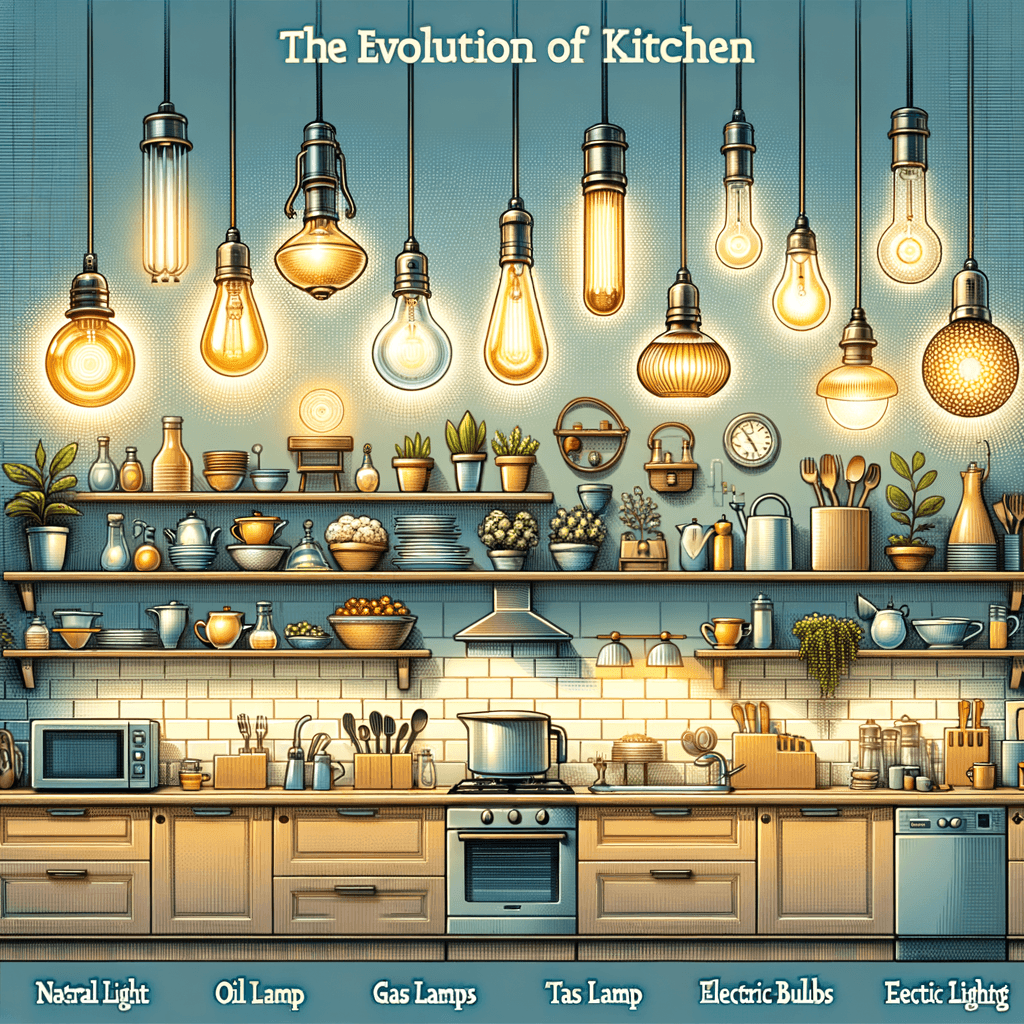
The Evolution of Kitchen Lighting: Layered Illumination Strategies for Modern Renovations
By Total Care Kitchens Mon Feb 16 20268 minutes
Understanding Layered Kitchen Lighting: Beyond the Basics
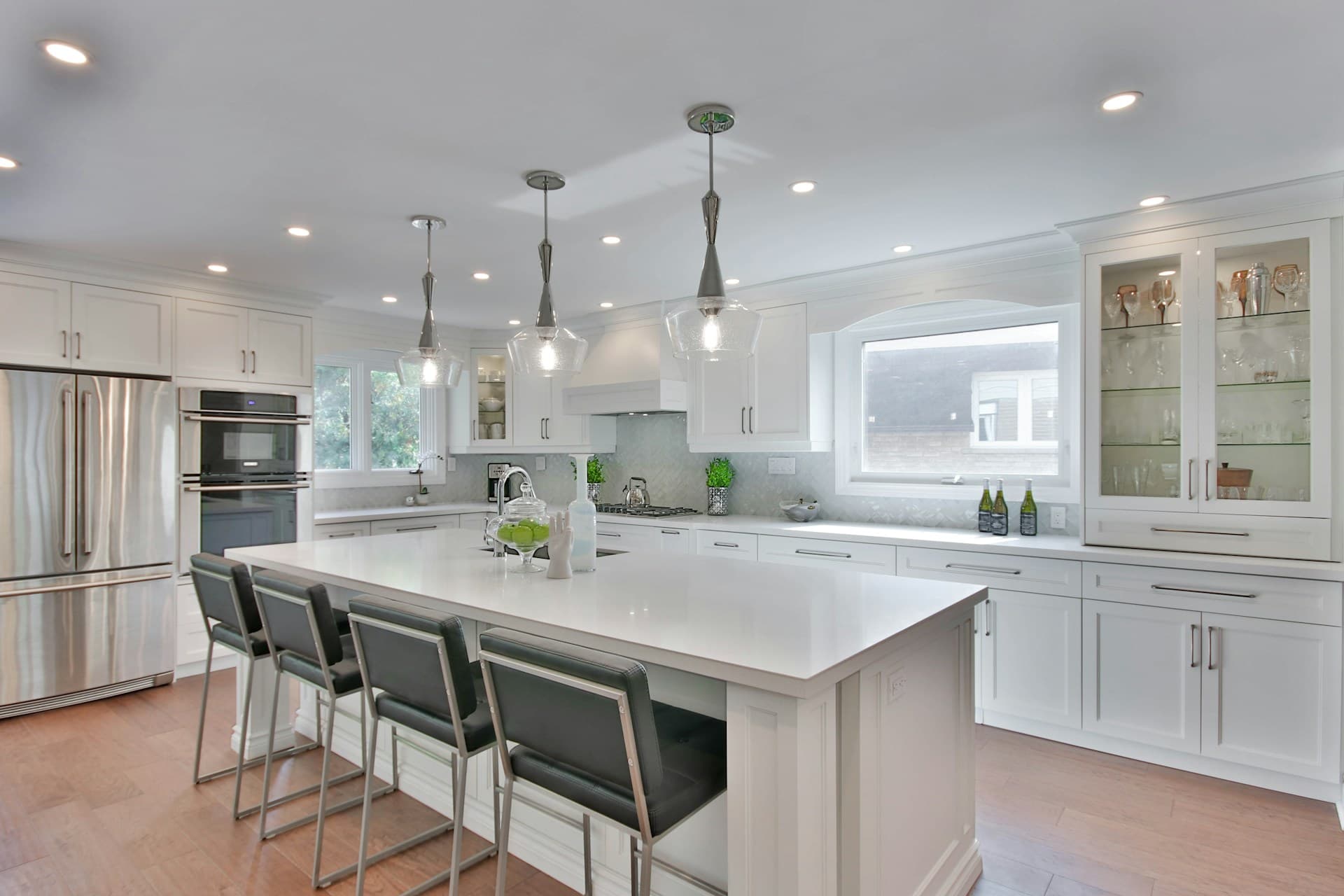
A well-designed kitchen lighting plan transcends the traditional single overhead fixture. Modern renovations demand a sophisticated, layered approach that combines task, ambient, and accent lighting. This strategy not only enhances visibility and safety but also elevates the kitchen’s overall ambiance, making it a more inviting and productive space.“Thoughtful lighting transforms a kitchen from merely functional to truly inspirational.”
Types of Kitchen Lighting and Their Roles
Each layer of kitchen lighting serves a unique purpose. Understanding these categories is crucial for crafting a cohesive and efficient lighting plan that supports every activity, from prepping meals to hosting guests.- Task Lighting: Focused illumination for work zones like countertops, sinks, and stovetops. Examples include LED strips under cabinets and pendant lights over islands.
- Ambient Lighting: General lighting that fills the entire space, often achieved with recessed ceiling lights or a central chandelier.
- Accent Lighting: Decorative lighting that highlights architectural features, open shelving, or artwork, often using adjustable spotlights or LED toe kicks.
Innovative Lighting Fixtures and Technologies for Kitchens
Recent advancements have introduced a spectrum of innovative lighting solutions for kitchen renovations. From tunable white LEDs that mimic natural daylight to smart fixtures controllable via smartphone, homeowners now have unprecedented flexibility and control over their kitchen environment.- Tunable LED Panels: Adjust color temperature throughout the day to enhance mood and visibility.
- Integrated Smart Lighting: Sync lights with voice assistants for hands-free control and energy savings.
- Minimalist Linear Pendants: Sleek fixtures that provide broad, even illumination above islands and dining areas.
- Wireless Under-Cabinet Lights: Easy-to-install options that eliminate wiring hassles and offer flexible placement.
Energy-Efficient Lighting: Sustainability Meets Style
Eco-conscious homeowners increasingly prioritize sustainability in kitchen renovations. Choosing energy-efficient fixtures and bulbs not only reduces environmental impact but also cuts utility costs over time. Options like ENERGY STAR-rated LEDs and motion-sensor switches deliver both performance and peace of mind.| Lighting Type | Energy Consumption | Lifespan (Hours) | Best Use Case |
| LED Strip | Low | 50,000+ | Under cabinets, accent lighting |
| CFL | Moderate | 8,000-10,000 | Ambient lighting |
| Halogen | High | 2,000-4,000 | Task lighting (less common) |
Designing a Cohesive Lighting Plan: Practical Tips
Achieving harmony in kitchen lighting requires strategic planning. Consider the room’s layout, ceiling height, and natural light sources. Layering different types of fixtures ensures both aesthetics and utility, while dimmers allow for customizable ambiance at any time of day.- Map out work zones and traffic patterns before selecting fixtures.
- Balance fixture scale and placement to avoid shadows and glare.
- Incorporate dimmable switches for ultimate flexibility.
“The most successful kitchen lighting schemes are those that adapt to every task and mood.”
Common Lighting Mistakes to Avoid in Kitchen Renovations
Even the most beautiful kitchens can be undermined by poor lighting decisions. Steer clear of these common pitfalls to ensure your renovation delivers both style and substance.- Relying solely on overhead fixtures, resulting in harsh shadows and uneven illumination.
- Neglecting task lighting, making food prep and cooking less safe and efficient.
- Overlooking dimming controls, which limits the ability to set the right mood.