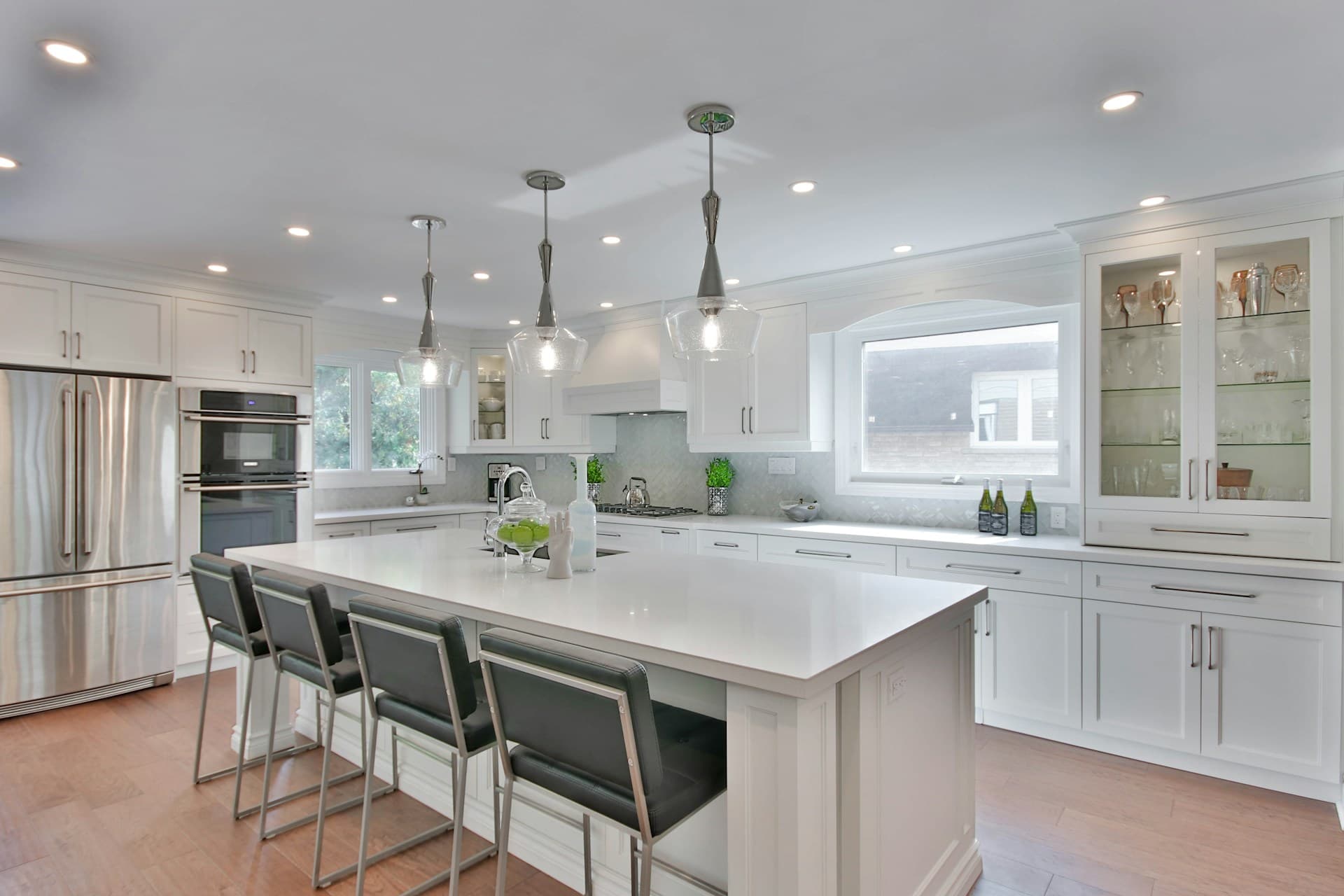
The Modern Art of Kitchen Zoning: Defining Purposeful Spaces for Culinary Efficiency
By Total Care Kitchens Wed Dec 03 20258 minutes
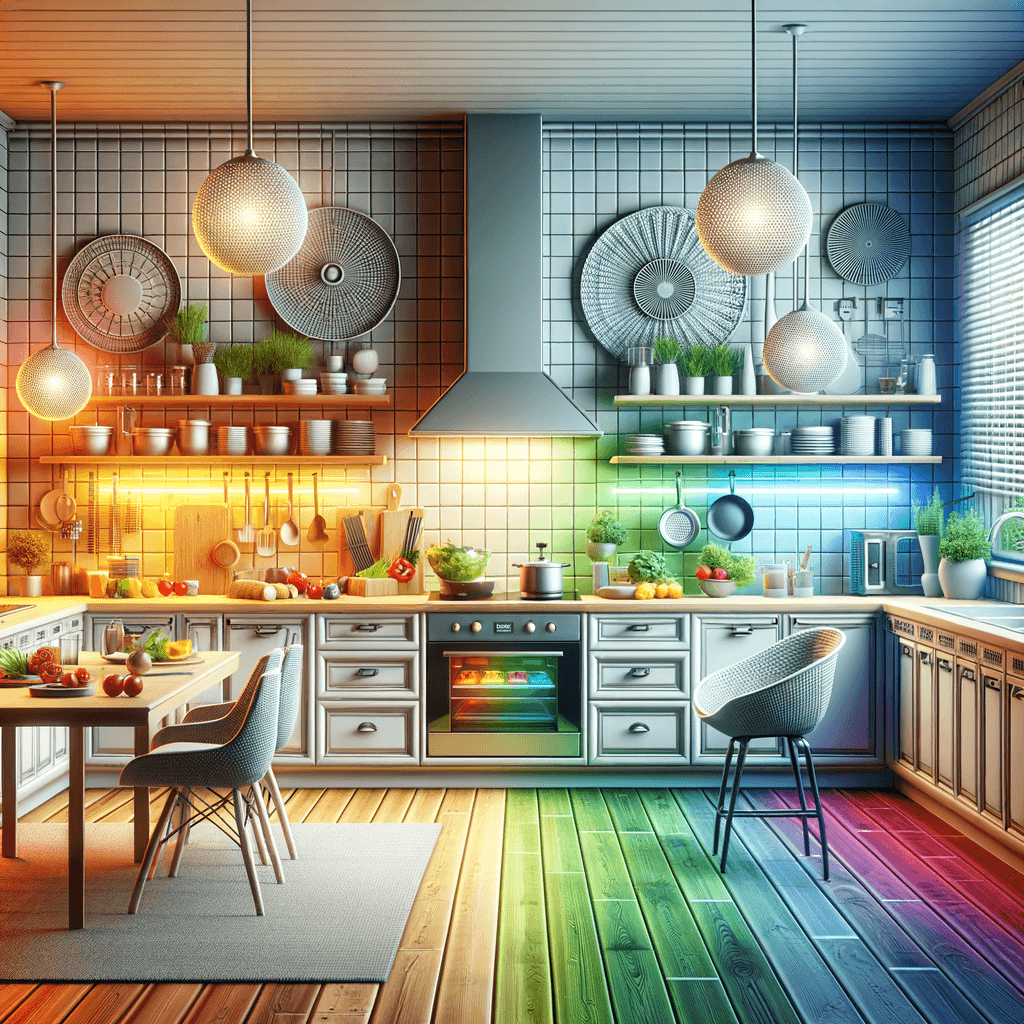
Understanding Kitchen Zoning: The Foundation of a Functional Culinary Space
Kitchen zoning is an advanced design philosophy that segments your kitchen into distinct, purpose-driven areas, each tailored to specific tasks such as prep, cooking, cleaning, and storage. Unlike traditional layouts that focus solely on the work triangle, zoning addresses modern needs for multitasking, family interaction, and seamless workflow. This approach is especially valuable for households that crave both efficiency and a personalized cooking experience.“A well-zoned kitchen doesn't just look good—it transforms the way you cook, gather, and live.”
Popular Kitchen Zoning Configurations: Galley, L-Shape, and Open Concept
Choosing the right zoning configuration is pivotal to your renovation's success. Each layout offers unique advantages, catering to different room sizes, lifestyles, and design aspirations. Understanding their nuances will empower you to select a blueprint that supports your culinary ambitions.- Galley: Ideal for compact spaces, galley kitchens utilize parallel counters to create efficient prep and cooking zones.
- L-Shape: This layout maximizes corner space, naturally separating cooking and cleaning areas while allowing for an eat-in nook.
- Open Concept: By removing walls, open kitchens enable seamless integration with living spaces, perfect for entertaining and multitasking.
Cabinetry and Storage Innovations for Distinct Zones
Strategic cabinetry solutions can elevate each kitchen zone, ensuring every utensil and ingredient is within arm’s reach. From deep-drawer organizers in prep areas to vertical pull-outs beside the stove, modern storage innovations reduce clutter and enhance workflow. Prioritizing accessibility and customization will keep your zones both functional and visually harmonious.- Appliance garages for small appliance concealment
- Custom drawer dividers for cutlery and utensils
- Pull-out pantry towers for dry goods near prep zones
- Corner carousel units to maximize dead space
Countertop Comparisons: Material Choices for Every Zone
Selecting the right countertop material for each zone is crucial for durability and aesthetics. For example, a butcher block island in the prep area invites hands-on work, while a seamless quartz slab near the sink resists moisture and staining. Matching material properties to zone-specific demands will prolong your renovation’s impact.| Material | Best Zone | Key Advantages |
| Granite | Cooking/Prep | Heat-resistant, durable |
| Quartz | Sink/Clean-up | Non-porous, stain-resistant |
| Butcher Block | Prep/Island | Gentle on knives, warm aesthetic |
| Concrete | Baking/Workstation | Customizable, industrial look |
Integrating Appliances for Seamless Zone Functionality
Appliance placement should support the intended purpose of each zone, minimizing unnecessary movement and maximizing productivity. Consider built-in wall ovens at arm’s reach from the prep zone, or a beverage fridge nestled near the socializing area. Thoughtful integration fosters a kitchen that adapts to your lifestyle, not the other way around.“Integration isn’t about hiding appliances—it’s about making them work intuitively within each zone.”
Layered Lighting for Zoned Ambience and Performance
Zoned lighting strategies ensure each area is perfectly illuminated for its function. Task lighting above prep surfaces, ambient fixtures for dining zones, and accent lights for display shelves can all coexist, creating a kitchen that’s both practical and inviting. Prioritize dimmable and energy-efficient solutions to adapt to every occasion.Eco-Friendly Upgrades for Responsible Zoning
Sustainable kitchen zoning is more than a trend—it’s a commitment to healthier living and environmental stewardship. Choose cabinetry made from reclaimed wood, energy-efficient appliances, and recycled glass countertops to minimize your renovation’s ecological footprint. Zoning also helps optimize resource use, reducing energy waste by concentrating tasks in specific areas.Smart Kitchen Technologies: Enhancing Each Zone
Integrating smart devices into your zones can streamline daily routines and elevate convenience. Voice-activated faucets in the cleaning zone, sensor-driven lighting in pantries, and app-controlled ovens in the cooking area are just a few innovations redefining the modern kitchen. These technologies support both efficiency and a futuristic aesthetic.- Wi-Fi enabled appliances for remote monitoring
- Smart storage sensors to track pantry inventory
- Touchless faucets for hygiene in cleaning zones
Budgeting and Timeline Strategies for Zoned Renovations
A well-structured kitchen zoning project requires meticulous budgeting and realistic timelines. Allocate funds according to each zone’s priority—splurge on durable countertops for the prep area, and opt for cost-effective finishes in less-used zones. Factor in lead times for custom cabinetry and smart tech installation to avoid costly delays.Mistakes to Avoid When Defining Kitchen Zones
Even the most inspired zoning plans can falter without careful execution. Common pitfalls include ignoring natural traffic flow, underestimating storage needs, and choosing materials unsuited for specific zones. Avoiding these mistakes ensures your kitchen remains both beautiful and highly functional for years to come.- Neglecting ergonomic placement of appliances
- Overlooking lighting needs in task areas
- Compromising on quality materials for high-use zones