The Role of Flooring in Kitchen Renovation: Materials, Trends, and Practical Guidance
By Total Care Kitchens Mon Jan 26 20268 minutes
Why Kitchen Flooring Matters in Renovation
Flooring is the literal foundation of your kitchen’s design and daily functionality. It endures heavy foot traffic, spills, and temperature fluctuations, making it a critical element in any renovation. The right flooring not only enhances aesthetic appeal but also impacts comfort, safety, and long-term value. Many homeowners underestimate the transformative power of flooring until they experience a kitchen where the floor seamlessly blends durability with design.“A kitchen’s floor is more than a surface—it’s the stage where daily life unfolds and memories are made.”
Popular Kitchen Flooring Materials: Pros and Cons
Selecting the ideal flooring involves balancing durability, style, and maintenance. Each material offers distinct advantages and trade-offs that can influence your renovation outcome.| Material | Durability | Maintenance | Aesthetic Range | Water Resistance |
| Porcelain Tile | Excellent | Low | Vast | High |
| Luxury Vinyl Plank | Very Good | Low | Wide | High |
| Engineered Hardwood | Good | Moderate | Varied | Moderate |
| Natural Stone | Excellent | High | Unique | High |
| Cork | Moderate | Low | Limited | Moderate |
| Bamboo | Good | Low | Natural | Moderate |
Emerging Trends in Kitchen Flooring
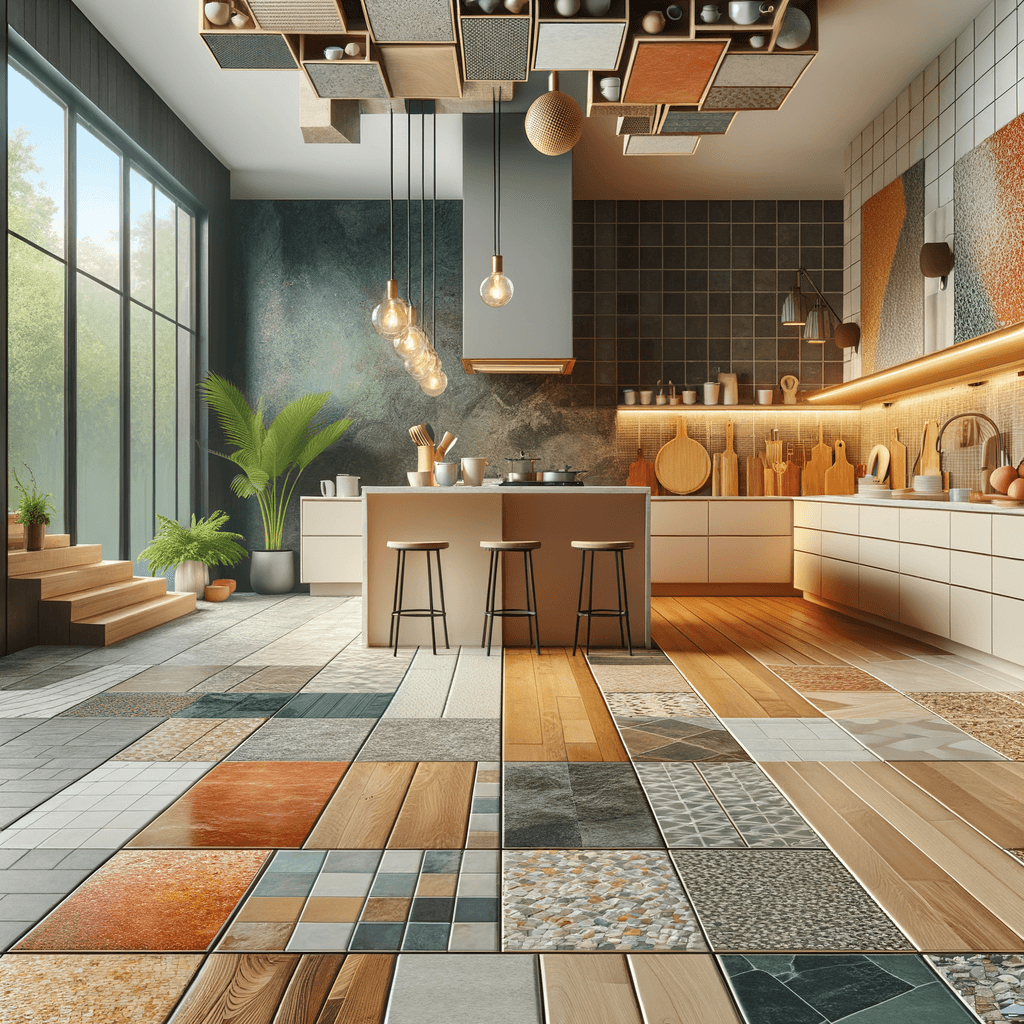
Modern kitchen renovations are embracing flooring as a statement piece, with bold patterns, oversized tiles, and mixed materials gaining traction. Textured finishes, herringbone layouts, and matte surfaces are also reshaping kitchen aesthetics, offering both visual interest and slip resistance. Sustainability is another driving force, with recycled materials and low-VOC finishes attracting eco-conscious renovators.- Large-format porcelain tiles for seamless, contemporary looks
- Patterned encaustic tiles adding personality and color
- Waterproof luxury vinyl mimicking hardwood or stone
- Sustainable materials such as reclaimed wood and recycled tiles
- Heated flooring systems for added comfort in colder climates
Balancing Functionality and Style in Flooring Selection
Choosing kitchen flooring is a balancing act between practical needs and design aspirations. Consider how the space is used, who will be walking on it, and what kind of maintenance fits your lifestyle. For busy households, stain-resistant and waterproof options are essential, while avid entertainers might prioritize impact-resistant surfaces that complement their aesthetic vision.“The best kitchen floor is the one that serves your daily needs while reflecting your unique style.”
Installation and Budgeting Considerations
Flooring installation can dramatically affect both timeline and costs in a kitchen renovation. Some materials, like porcelain tile and natural stone, require professional installation due to weight and complexity, while others, such as luxury vinyl plank, offer DIY-friendly options. Budgeting for underlayment, removal of old flooring, and potential subfloor repairs is crucial to avoid surprises.- Professional installation ensures long-term durability for stone and tile
- DIY installation can reduce costs for vinyl and laminate
- Always factor in underlayment, adhesives, and trim pieces
- Account for additional expenses like radiant heating or moisture barriers
Mistakes to Avoid When Choosing Kitchen Flooring
Overlooking the practical demands of the kitchen can lead to costly regrets. Avoid selecting flooring solely for its appearance without considering slip resistance, moisture tolerance, and ease of cleaning. Neglecting to test samples in your actual lighting conditions can result in unexpected color shifts once installed.- Ignoring water resistance in high-spill zones
- Choosing high-maintenance materials for busy households
- Underestimating the impact of natural and artificial lighting
- Skipping professional advice on subfloor conditions