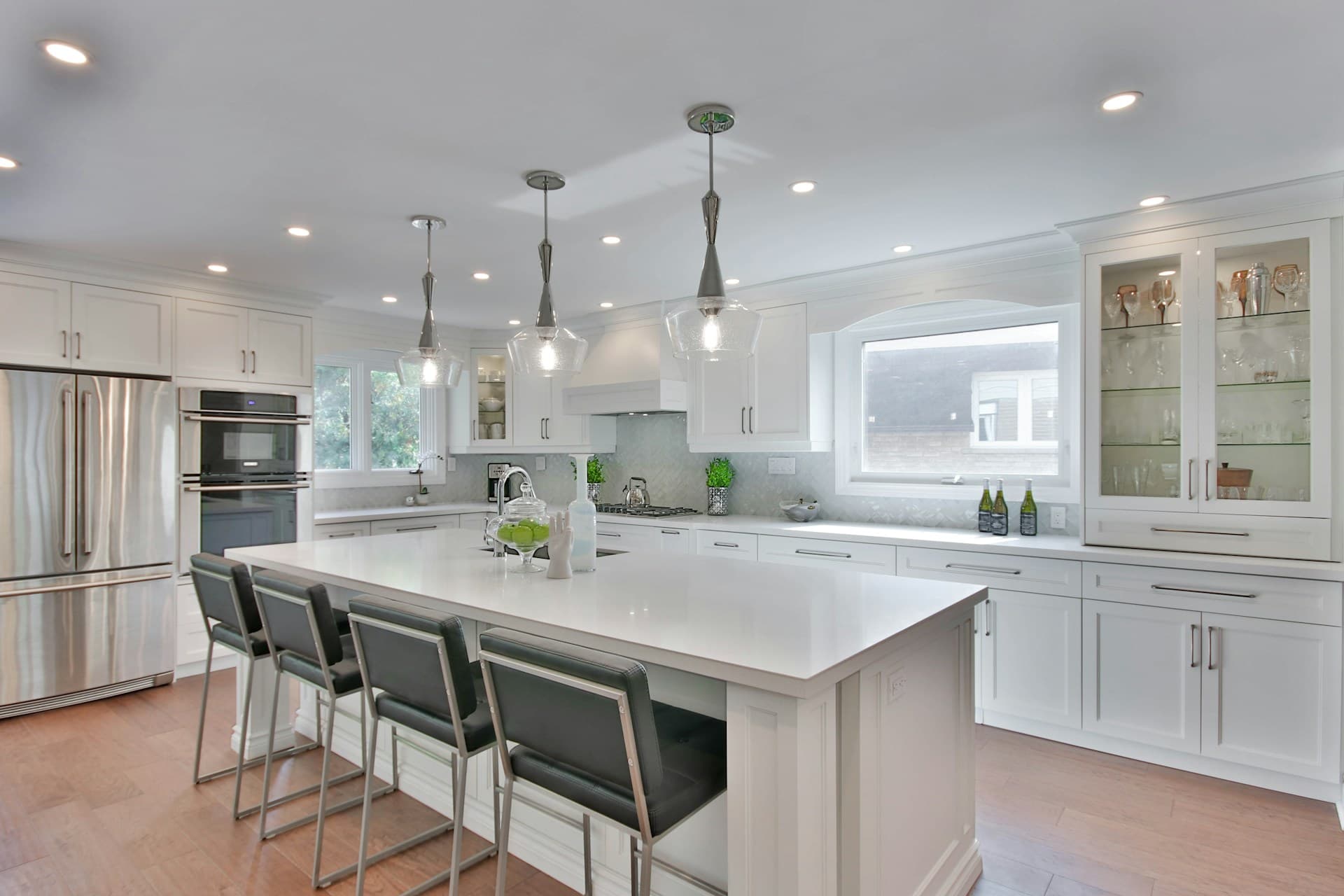
Transforming Small Kitchens: Space-Saving Renovation Strategies for Compact Homes
By Total Care Kitchens Mon Jan 12 20267 minutes
Understanding the Challenges of Small Kitchen Renovations
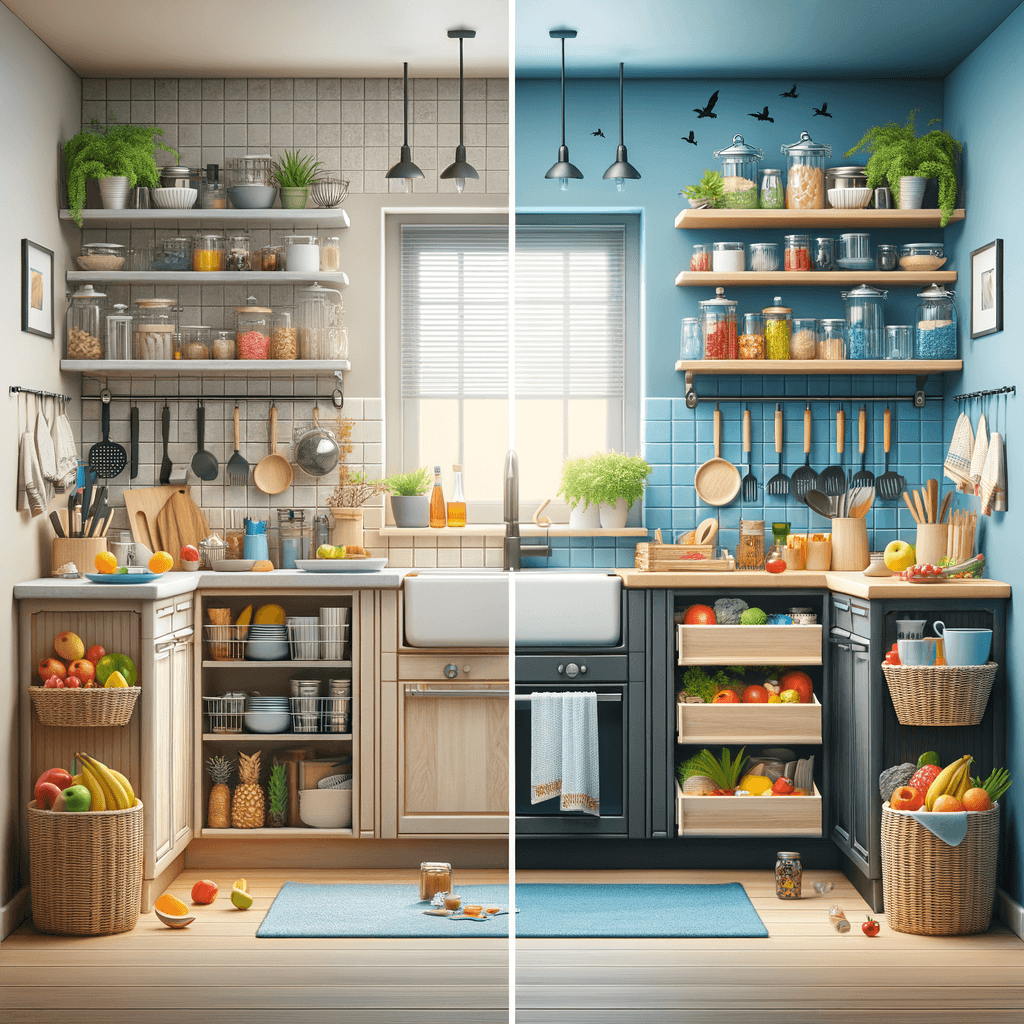
Renovating a small kitchen requires a strategic approach to overcome limited square footage, awkward layouts, and a lack of storage. Homeowners often struggle to balance their desire for style with the need for efficiency. Identifying your primary pain points, such as insufficient counter space or inaccessible cabinetry, is the first step to creating a kitchen that truly works for your lifestyle.Optimizing Layouts for Maximum Usability
Compact kitchens demand thoughtful layout choices. The galley, single-wall, and U-shaped configurations are popular in small spaces, each offering unique advantages for workflow and accessibility. Prioritizing the kitchen work triangle—sink, stove, and refrigerator—ensures seamless movement, even in tight quarters.- Galley Layout: Parallel counters maximize work surfaces and storage.
- Single-Wall Layout: Ideal for ultra-narrow spaces, keeping everything within arm’s reach.
- U-Shaped Layout: Surrounds the cook on three sides, providing ample storage and prep zones.
“A well-planned layout is the backbone of any successful small kitchen renovation.”
Innovative Cabinetry and Storage Solutions
Modern cabinetry systems can revolutionize storage in small kitchens. Think beyond traditional shelves—custom inserts, vertical pull-outs, and toe-kick drawers transform every inch into usable space. Integrated organizers reduce clutter and keep essentials at your fingertips, helping you maintain a sleek, uncluttered look.- Pull-out pantry towers for slim spaces
- Corner carousel units to utilize blind corners
- Deep drawer dividers for pots and pans
- Overhead cabinets reaching to the ceiling
- Toe-kick drawers for seldom-used items
Countertop Materials for Small Spaces: Durability Meets Design
Selecting the right countertop is crucial in compact kitchens, where every surface counts. Durable materials like quartz and granite offer longevity, while lighter hues and reflective finishes can visually expand the space. Butcher block adds warmth and functionality, doubling as a prep area, whereas concrete introduces an industrial edge for modern aesthetics.| Material | Pros | Cons |
| Quartz | Non-porous, low maintenance, wide color range | Can be pricey |
| Granite | Durable, heat-resistant, natural beauty | Requires sealing |
| Butcher Block | Warm, can be sanded and refinished, affordable | Needs regular oiling |
| Concrete | Customizable, industrial look, heat-resistant | Prone to cracking, needs sealing |
Integrating Compact Appliances Without Sacrificing Performance
Downsizing appliances doesn’t mean compromising on culinary ambitions. Today’s compact ovens, counter-depth refrigerators, and multi-function cooktops are engineered for efficiency. Consider integrating appliances behind cabinetry panels for a seamless look, and opt for under-counter microwaves or dishwashers to free up valuable counter space.“In small kitchens, appliance selection is a blend of art and engineering.”
Lighting Design: Creating the Illusion of Space
Strategic lighting can make a small kitchen feel open and inviting. Layered lighting—combining ambient, task, and accent fixtures—eliminates shadows and highlights key features. Under-cabinet LEDs and pendant lights over work areas are both practical and visually impactful.Eco-Friendly Upgrades for Sustainable Small Kitchens
Sustainability is increasingly important in kitchen renovations. Choose cabinetry made from recycled materials, energy-efficient appliances, and low-VOC paints. Installing a water-saving faucet and LED lighting further reduces your kitchen’s environmental footprint while lowering utility costs.- Energy Star-rated compact appliances
- Bamboo or reclaimed wood cabinetry
- LED lighting systems
- Low-flow faucets